

Bormaņu (Trapenes) muiža un parks
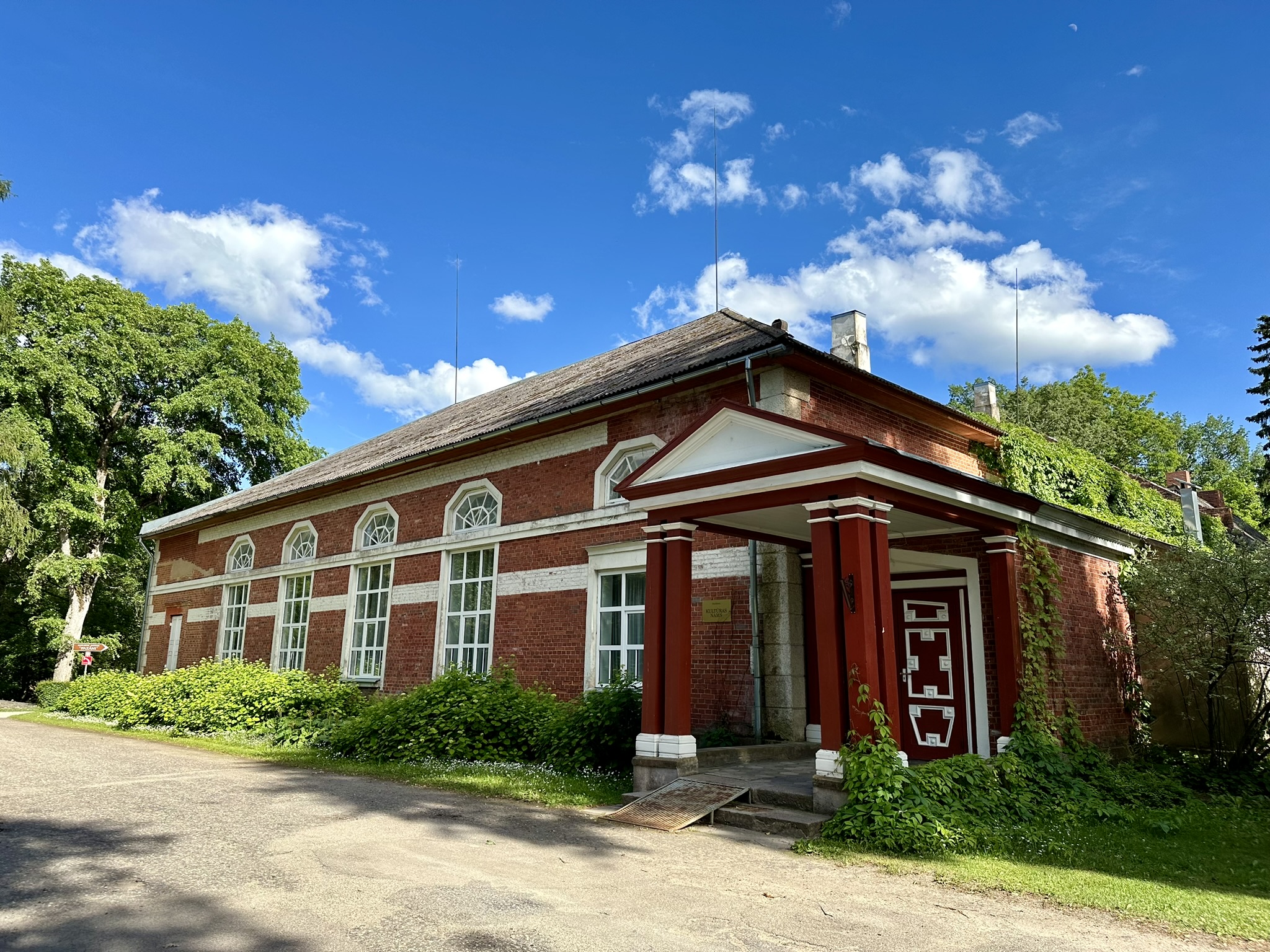
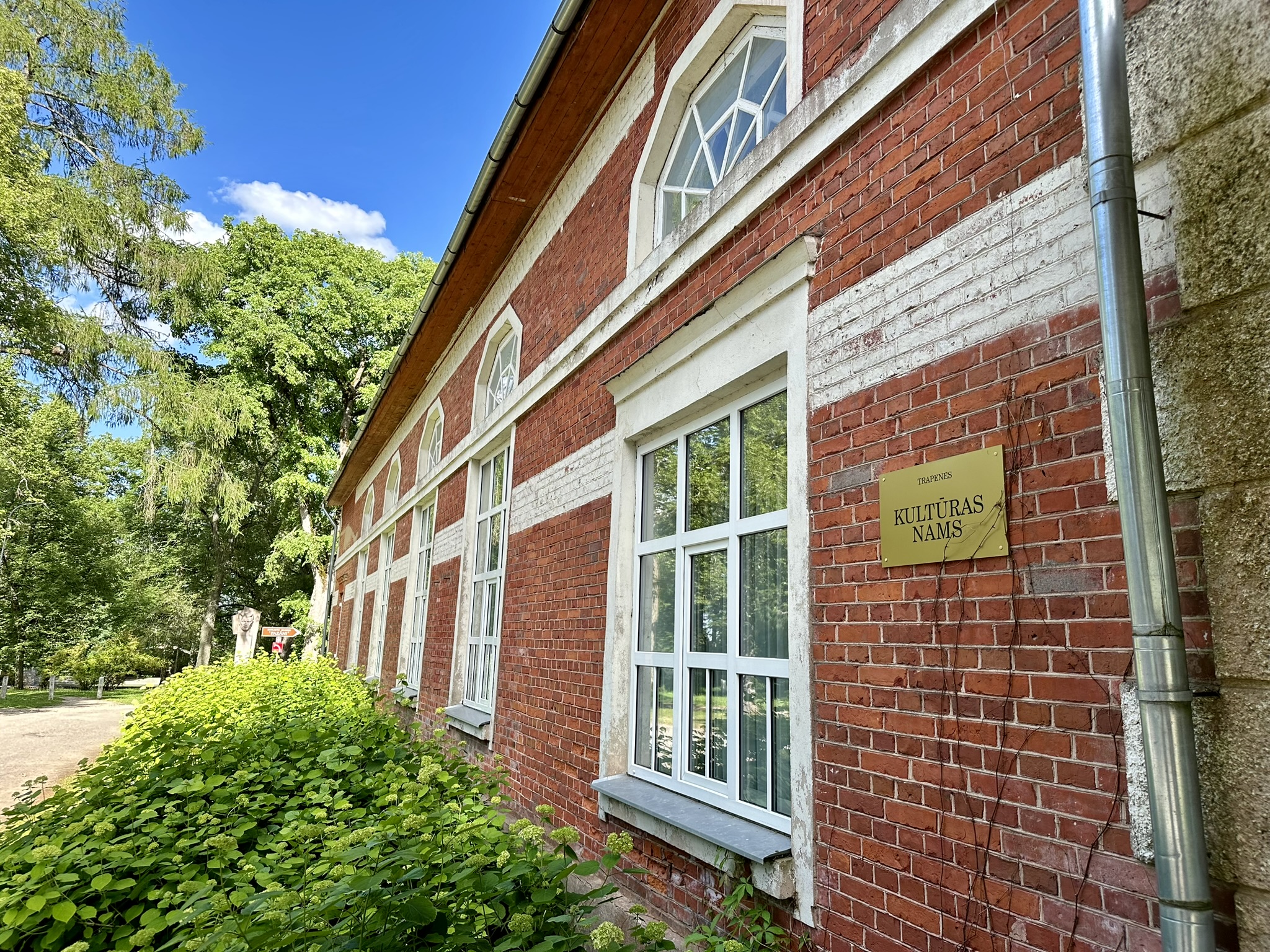
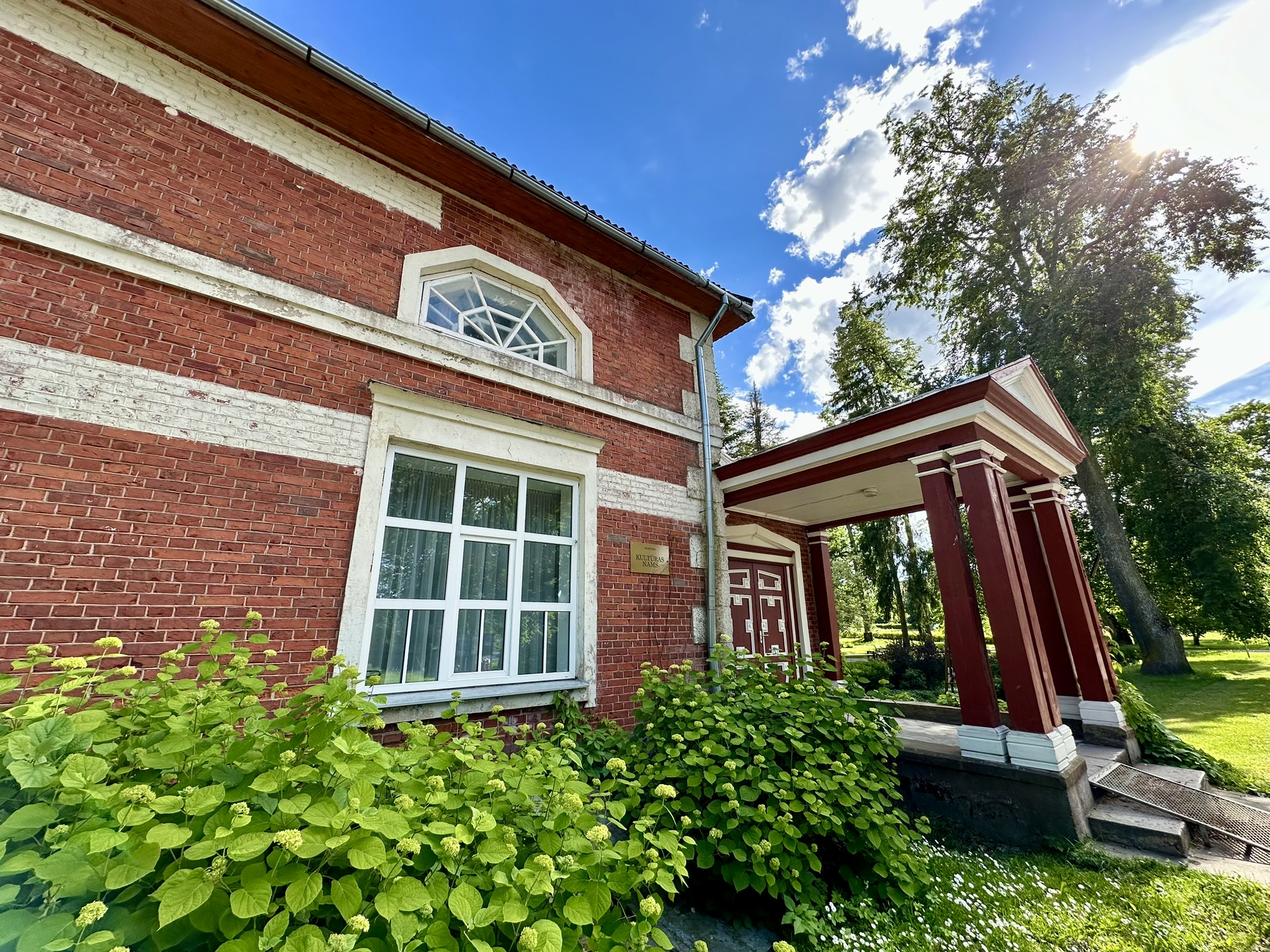
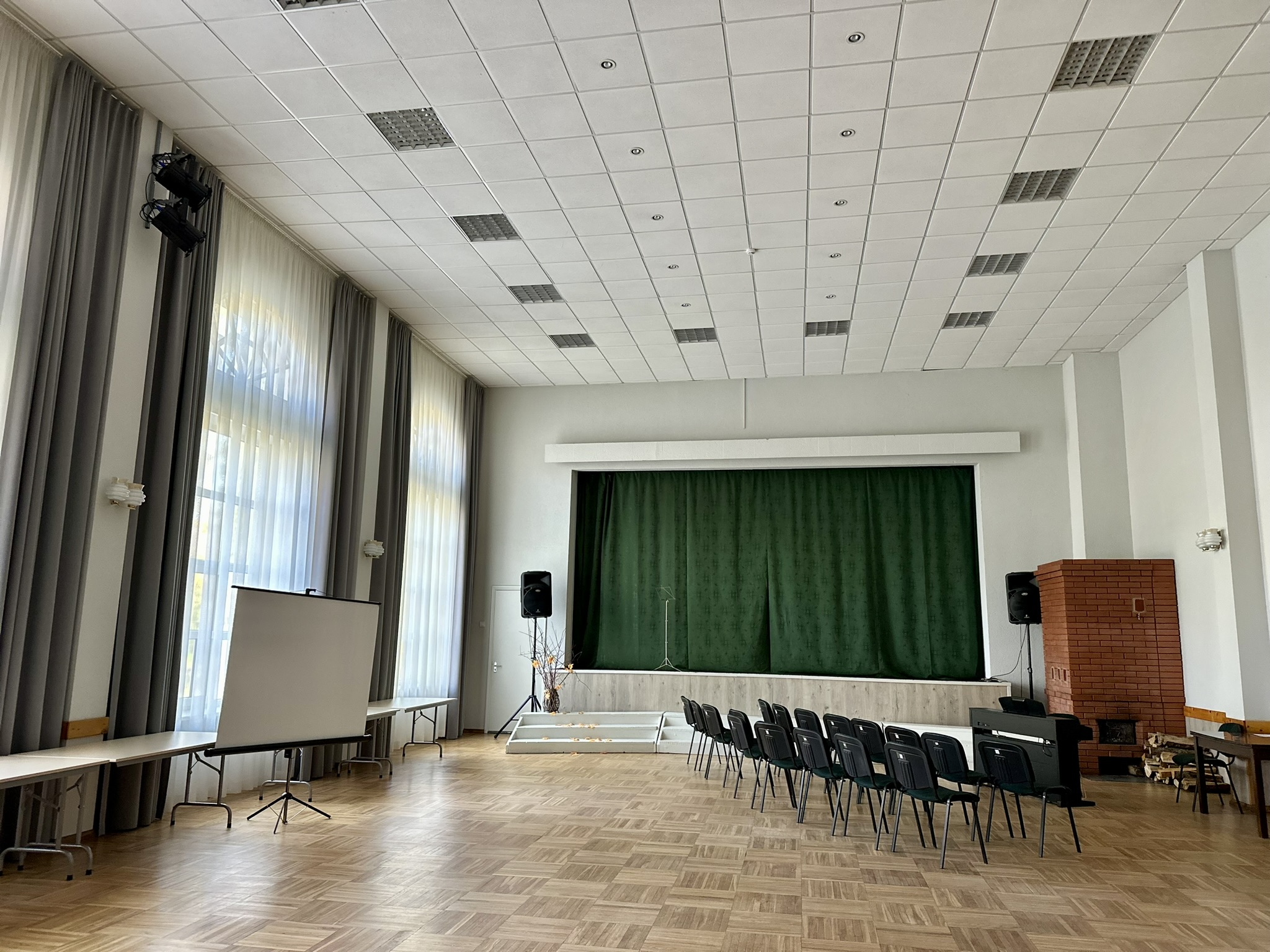
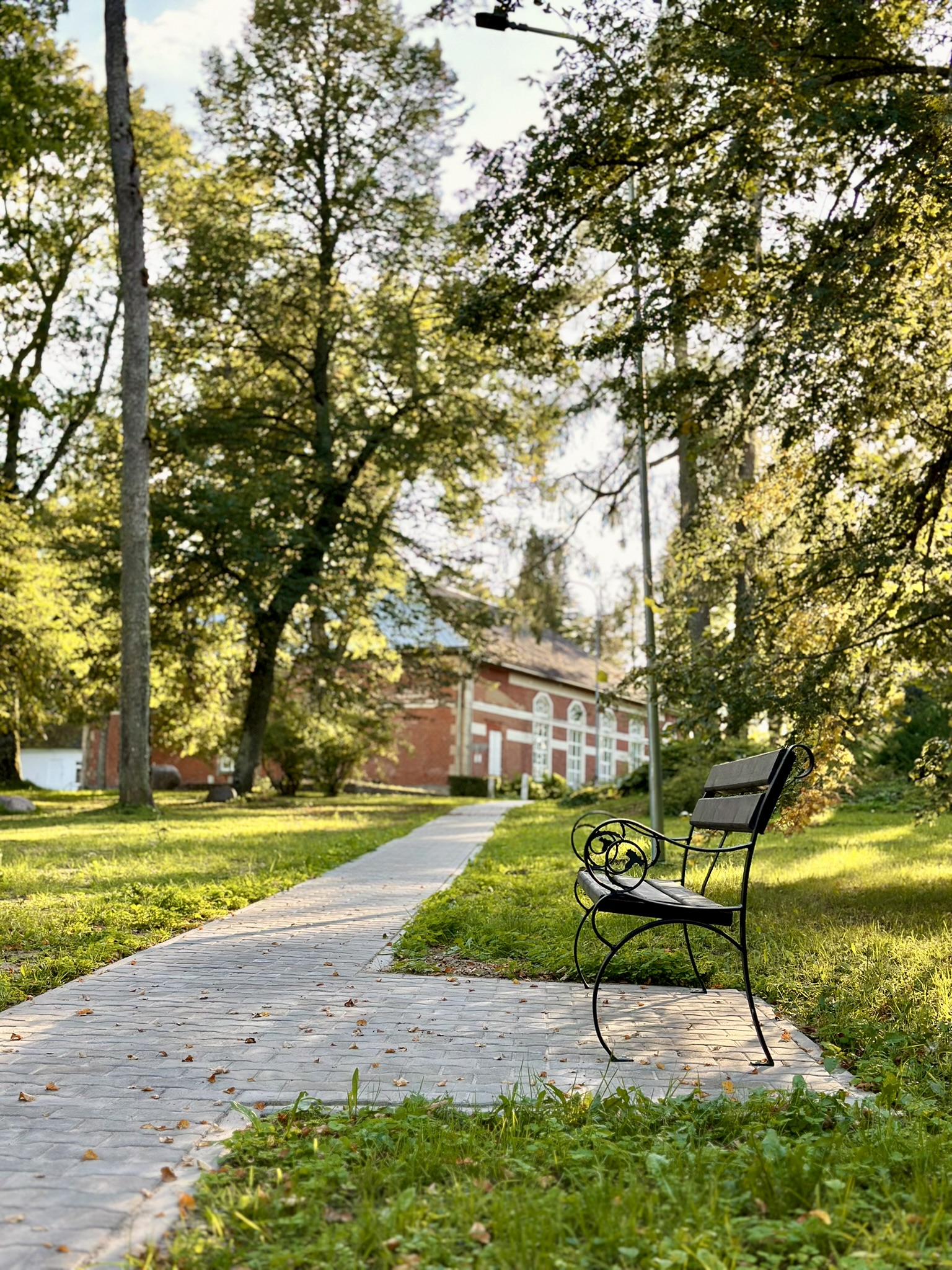
Bormaņi Manor was once the hunting lodge of Baron Woldemar von Wulf; however, today it houses the Trapene Culture Centre.
About the hunting lodge
- The building was constructed in the early 19th century as a single-storey log structure, but around 1890, it was covered with bricks.
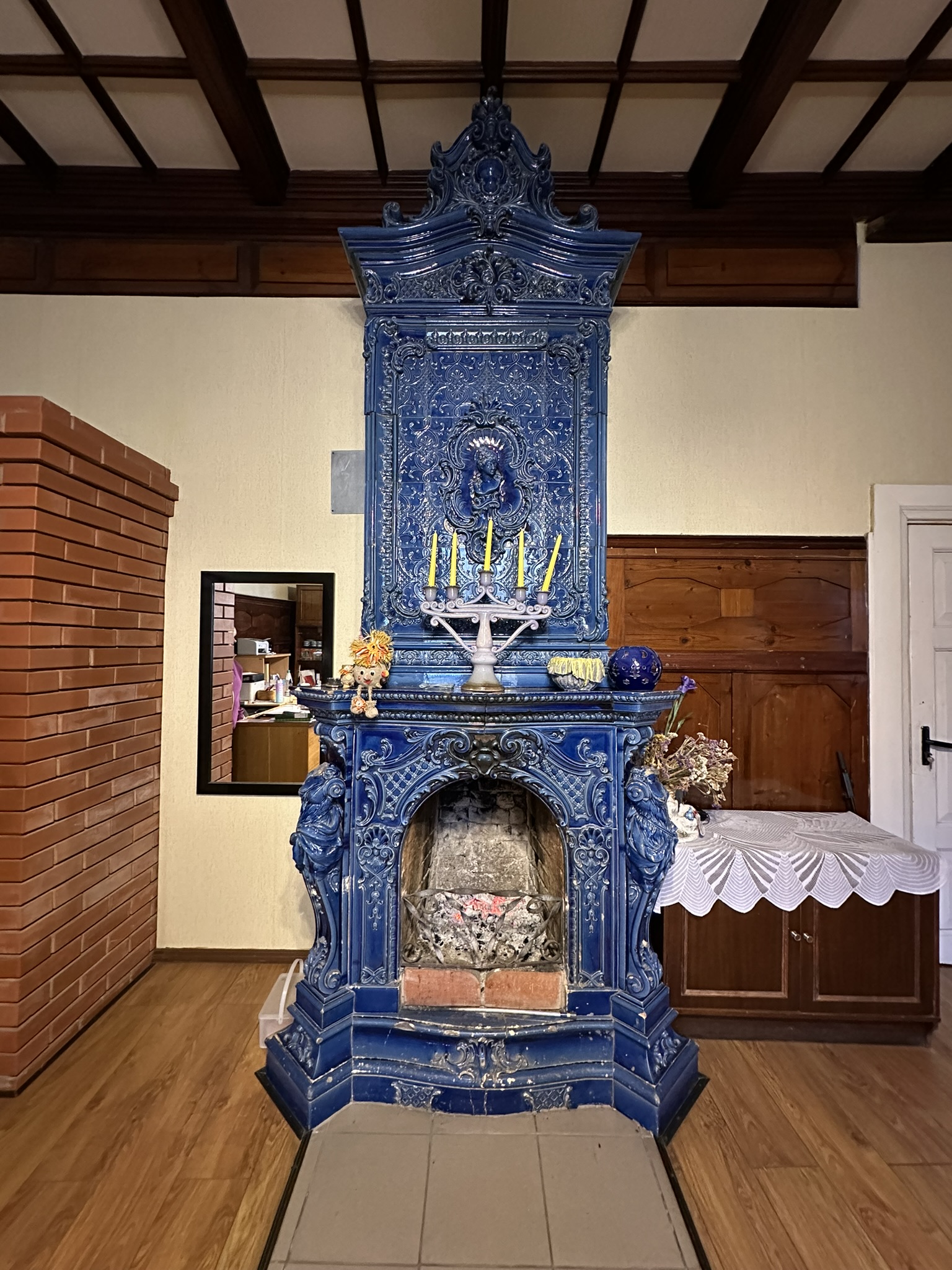
- Along with the renovation, three ornate fireplaces were built into the building, of which only one – the blue fireplace – has survived.
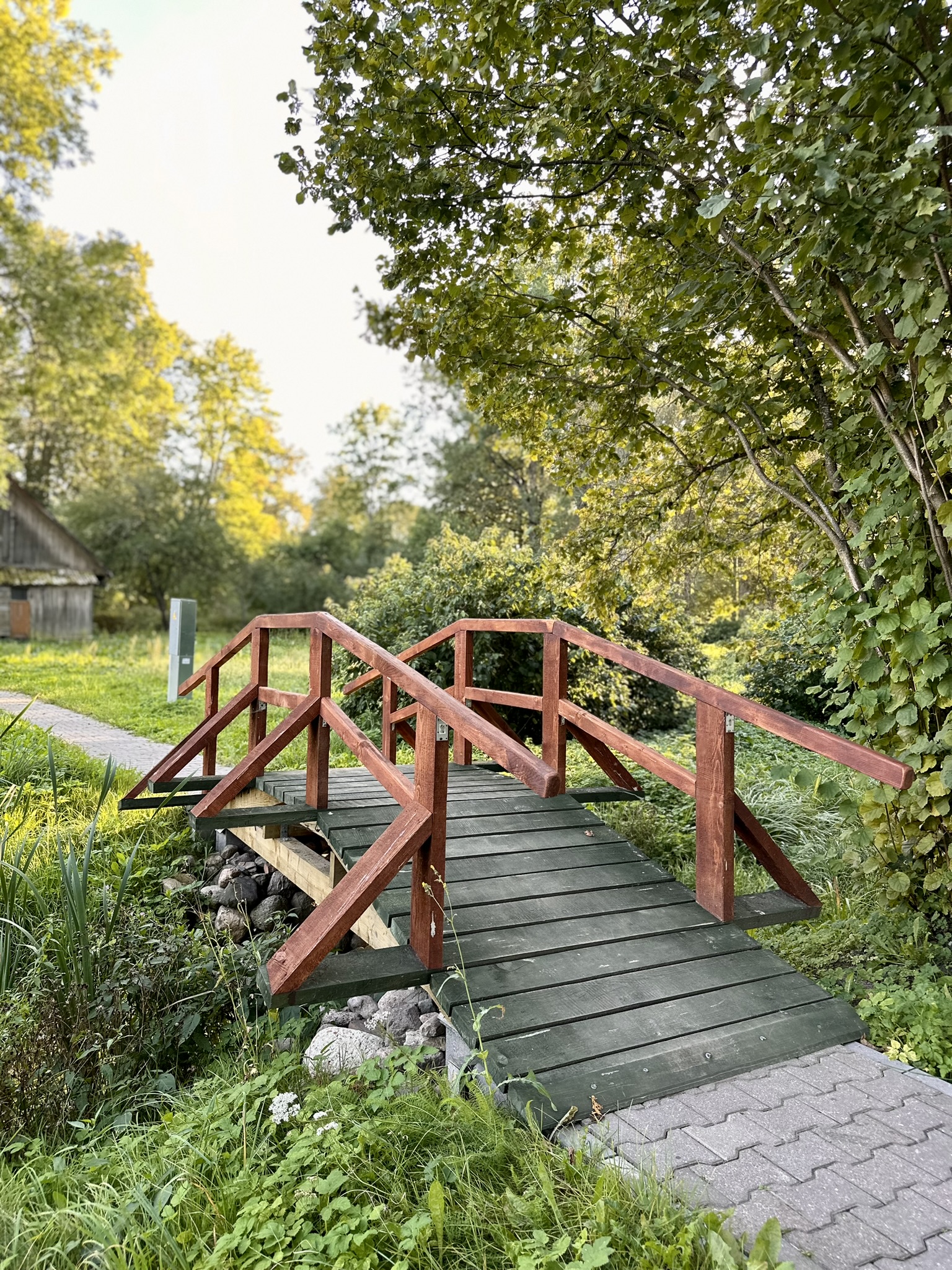
- Verandas were located at both ends of the building (one has been preserved), and at the rear, there was a glazed orangery where exotic southern plants were grown. An artificial stream flowed from the orangery, with fish swimming in it.
- The permanent residence of the von Wolff barons was Gaujiena Castle, but they frequently stayed at Bormaņi Manor – the hunting lodge.
- 1934. In 1934, a people’s house was opened in Bormaņi Manor.
The manor lord’s house was built in the first half of the 19th century. It is a two-storey stone building located behind the manor stables.
- About the manor ensemble 1. The manor lord’s house was built in the first half of the 19th century. It is a two-storey stone building located behind the manor stables.
- The manor manager’s house. The house was built by the manor manager around the turn of the century, and it features an unusual veranda and distinctive window designs. The manager oversaw all the economic activities of the manor and served as the baron’s representative until 1918. Today, the building houses the Trapene Rural Territory Administration and a pharmacy.
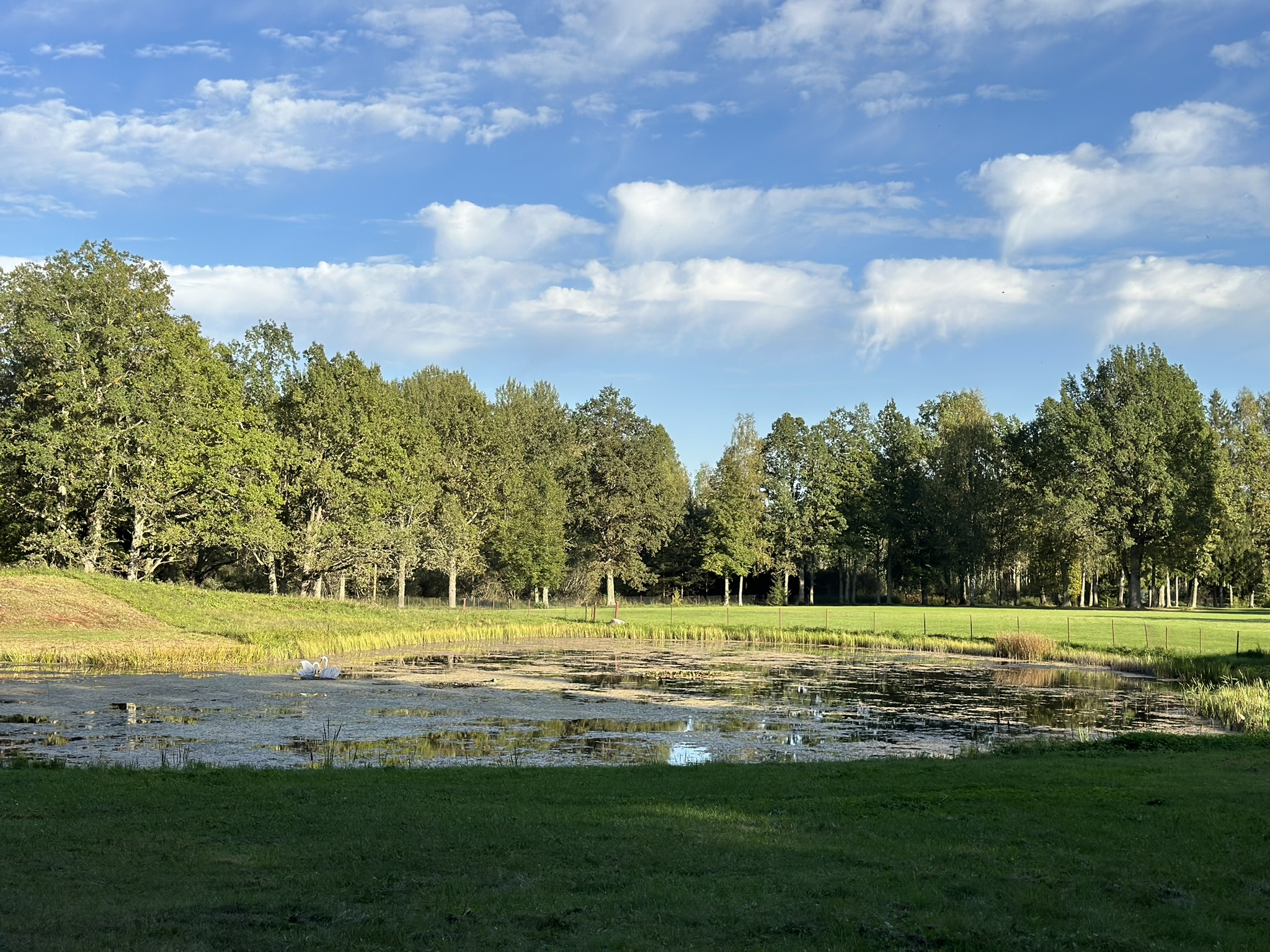
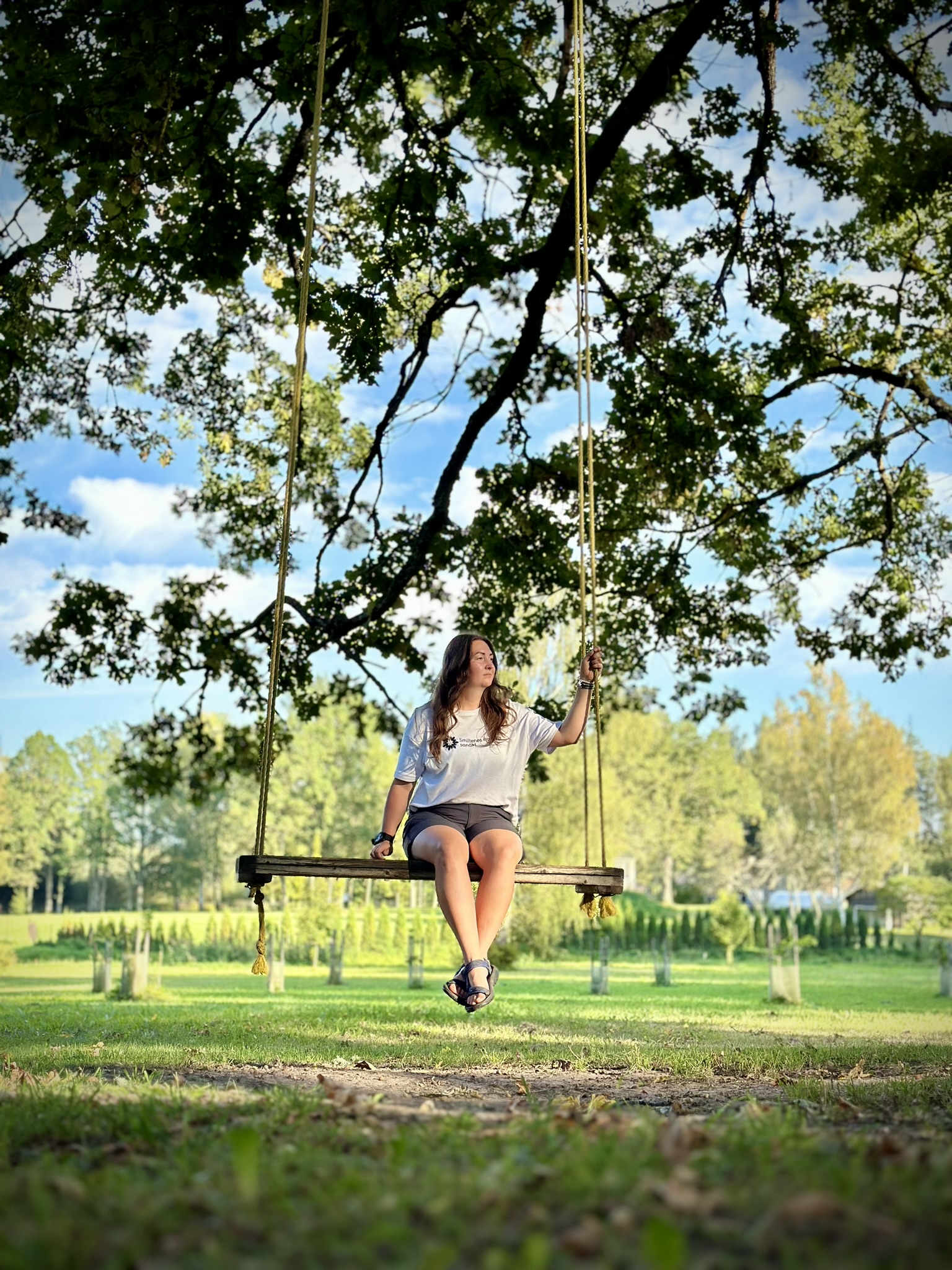
- The manor park is located next to Bormaņi Manor and the manager’s house. It was created as a landscape park between 1898 – 1903. and 1903, based on a design by Riga garden architect, Ārgals. Two groups of linden trees were cared for by the writer Linards Laicens during his years as a gardener. 1983. In 1983, a monument to Laicens was erected in the park. The park contains three ponds, where swans used to swim.
- Behind the park once lay a deer and pheasant garden. To this day, a residential house beyond the park bears the name “Fazāni” (“Pheasants”). A large collection of antiques is currently on display at “Fazāni”.
Contact
Opening hours
Tours must be booked in advance!
The manor buildings (exterior) and the park can be visited at any time.