

Drusti Lutheran Church
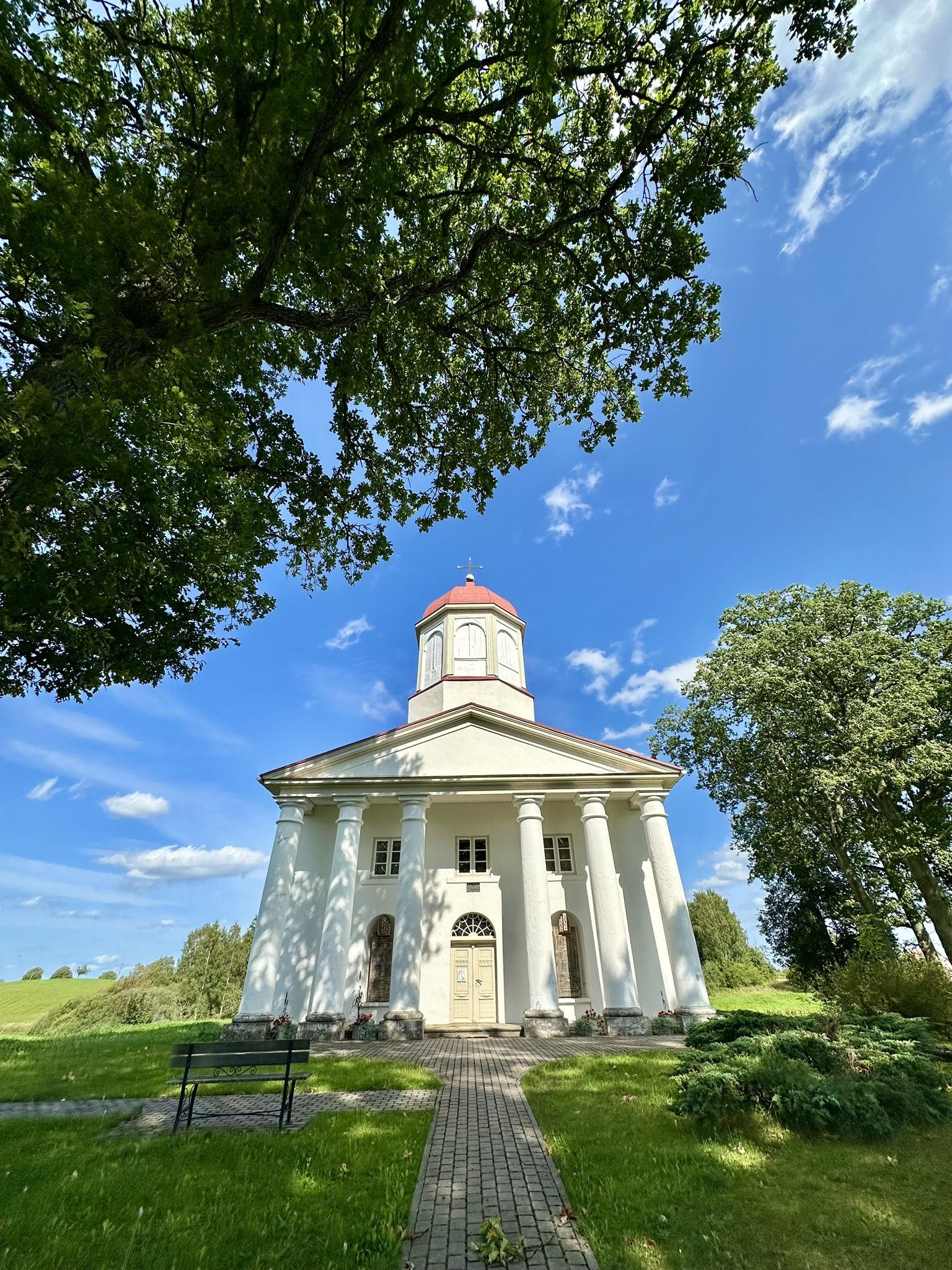
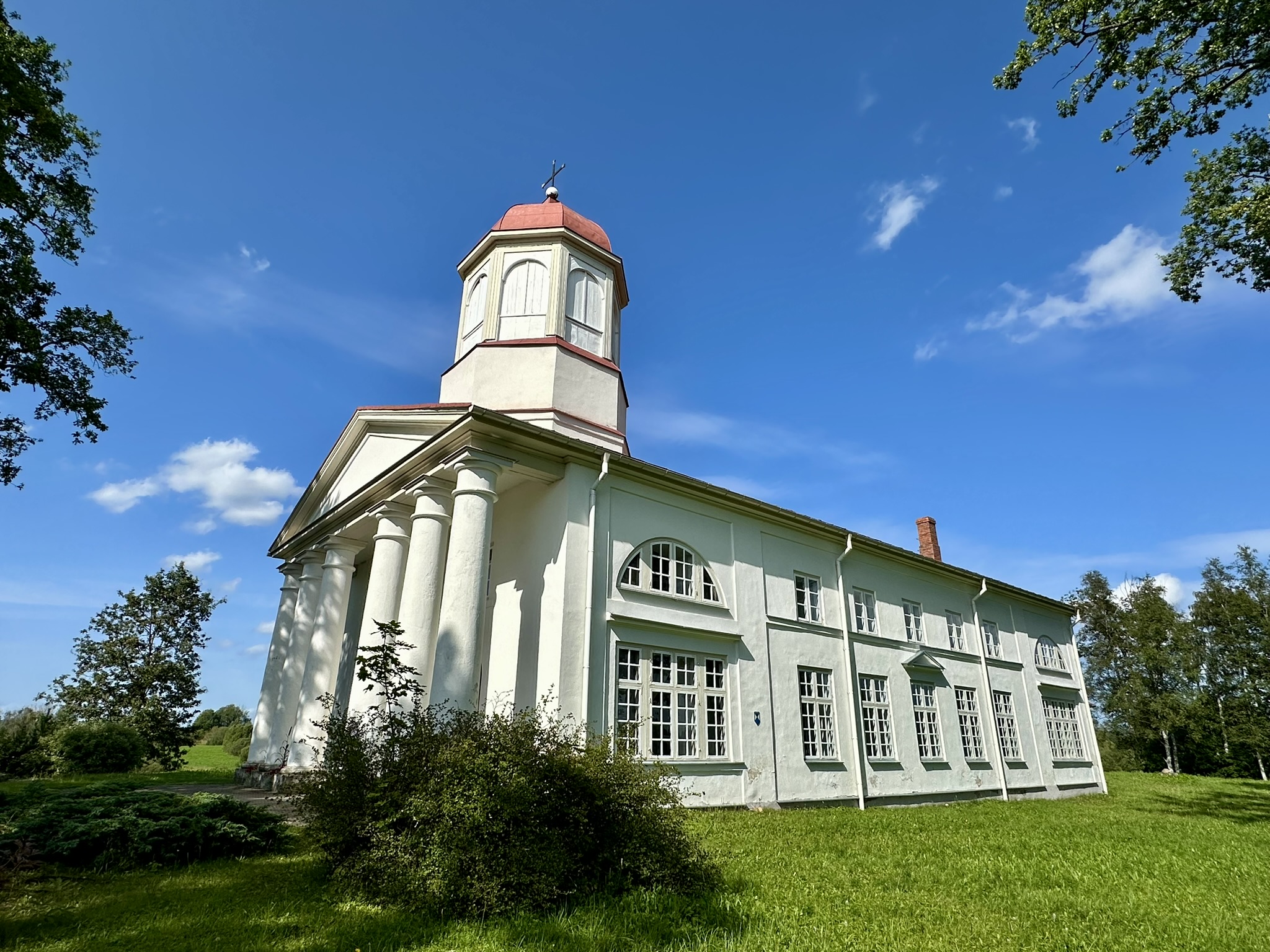
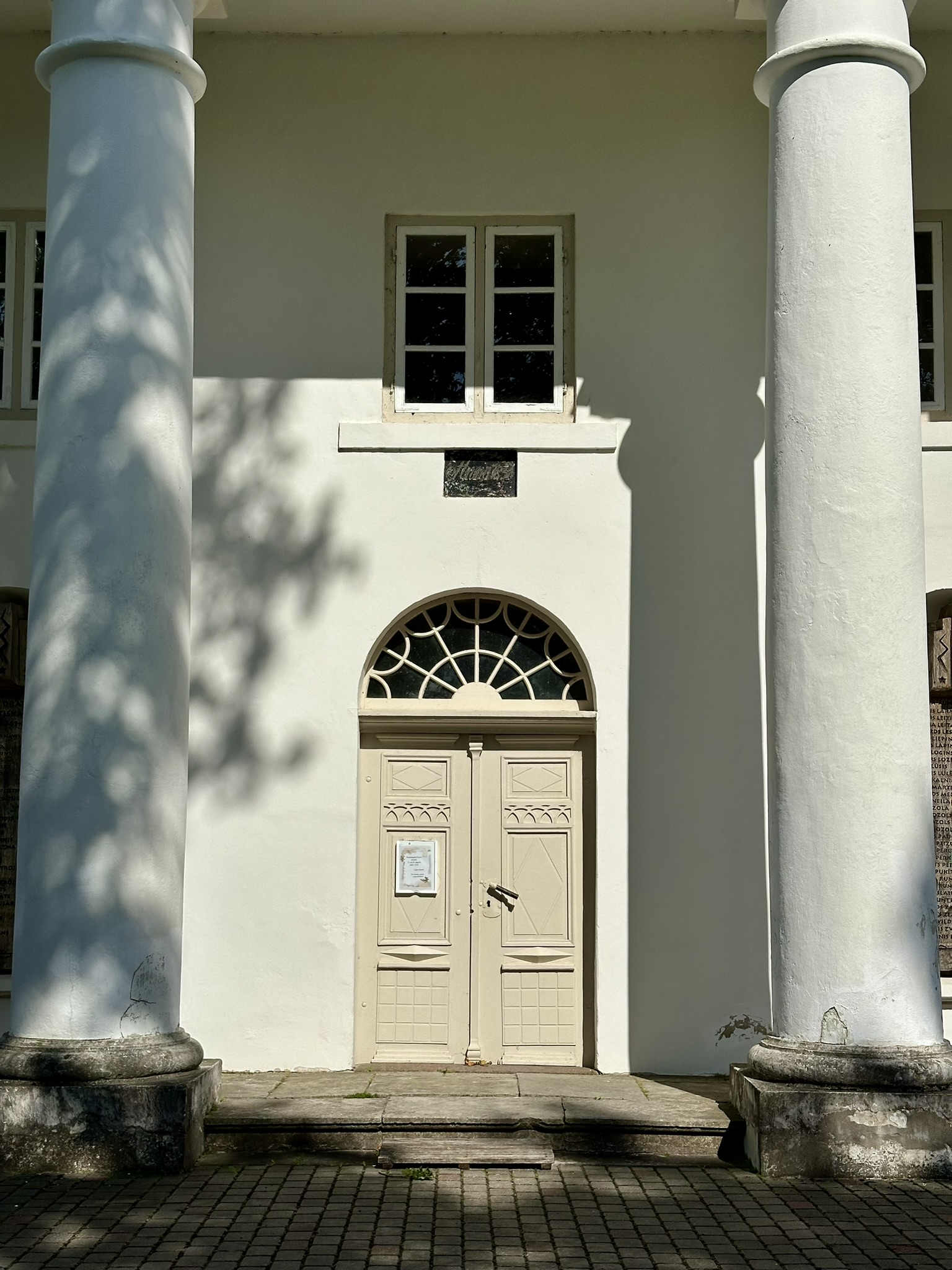
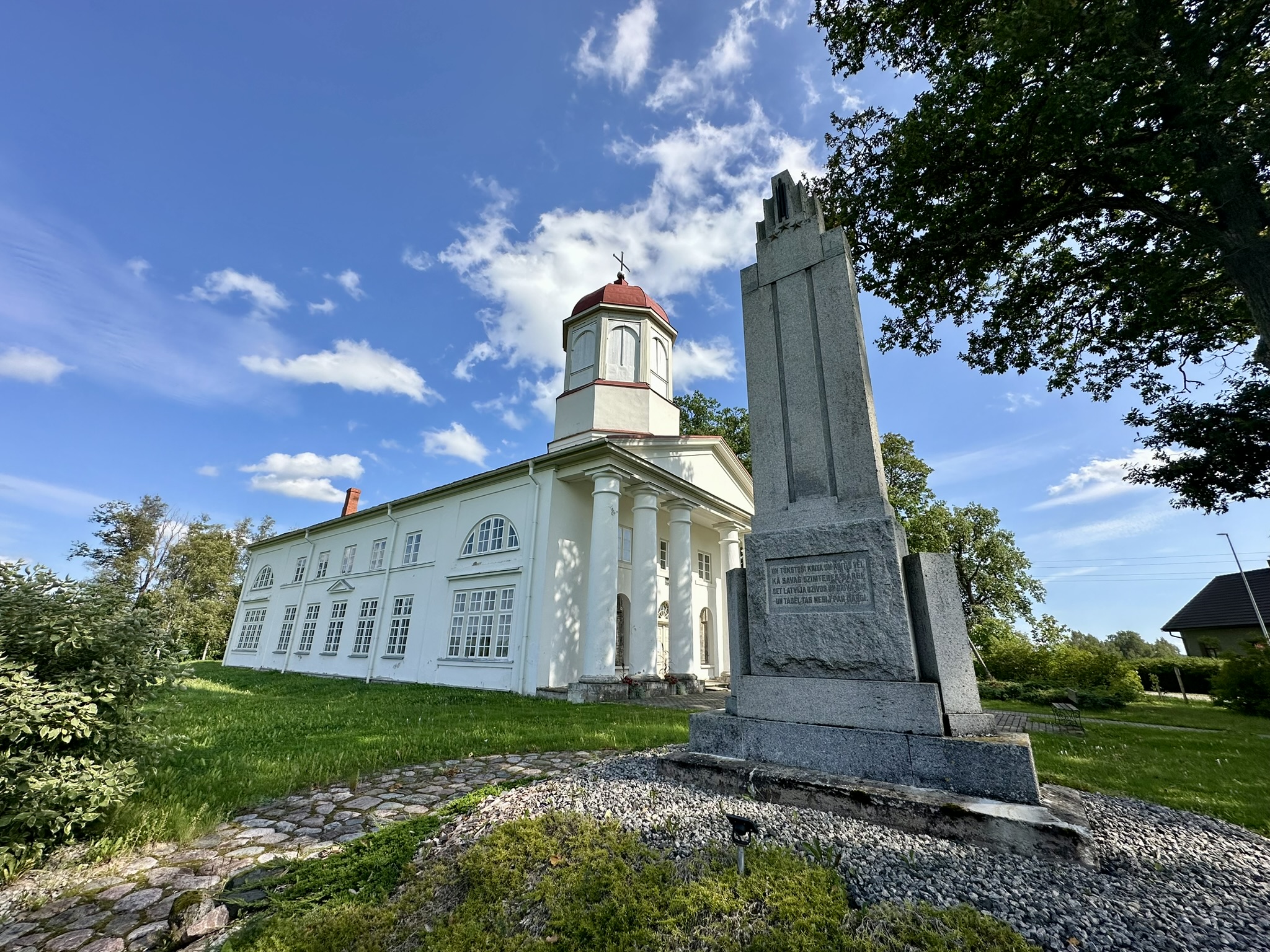
Drusti Lutheran Church was built in the Empire style, inspired by the architecture of Volga German colonies. It is an elongated stone masonry building with a polygonal sacristy and an integrated octagonal tower with a domed top. The entrance is accentuated by a portico with six Tuscan columns and a triangular pediment. Inside the church is the altarpiece “The Ascension of Christ” by Otto Donner von Richter.
- The first wooden church in Drusti was built in 1616. It was located on the shore of Lake Krogus, but it was burned down during the Great Northern War.
- In 1750, a new wooden church was built.
- In 1820, the congregation began raising funds for the construction of a new stone church, but construction only started in 1835. . The carpentry and joinery work for the new church, presumably based on drawings by Heinrich Hāgemeister, the owner of Drusti Manor, was carried out by master builder Mārcis Sārums.
- In 1838, the church was consecrated on 25 September 1838 by General Superintendent R. von Klock.
- In 1901, 10-register organs built by organ master Emīls Martins were installed.
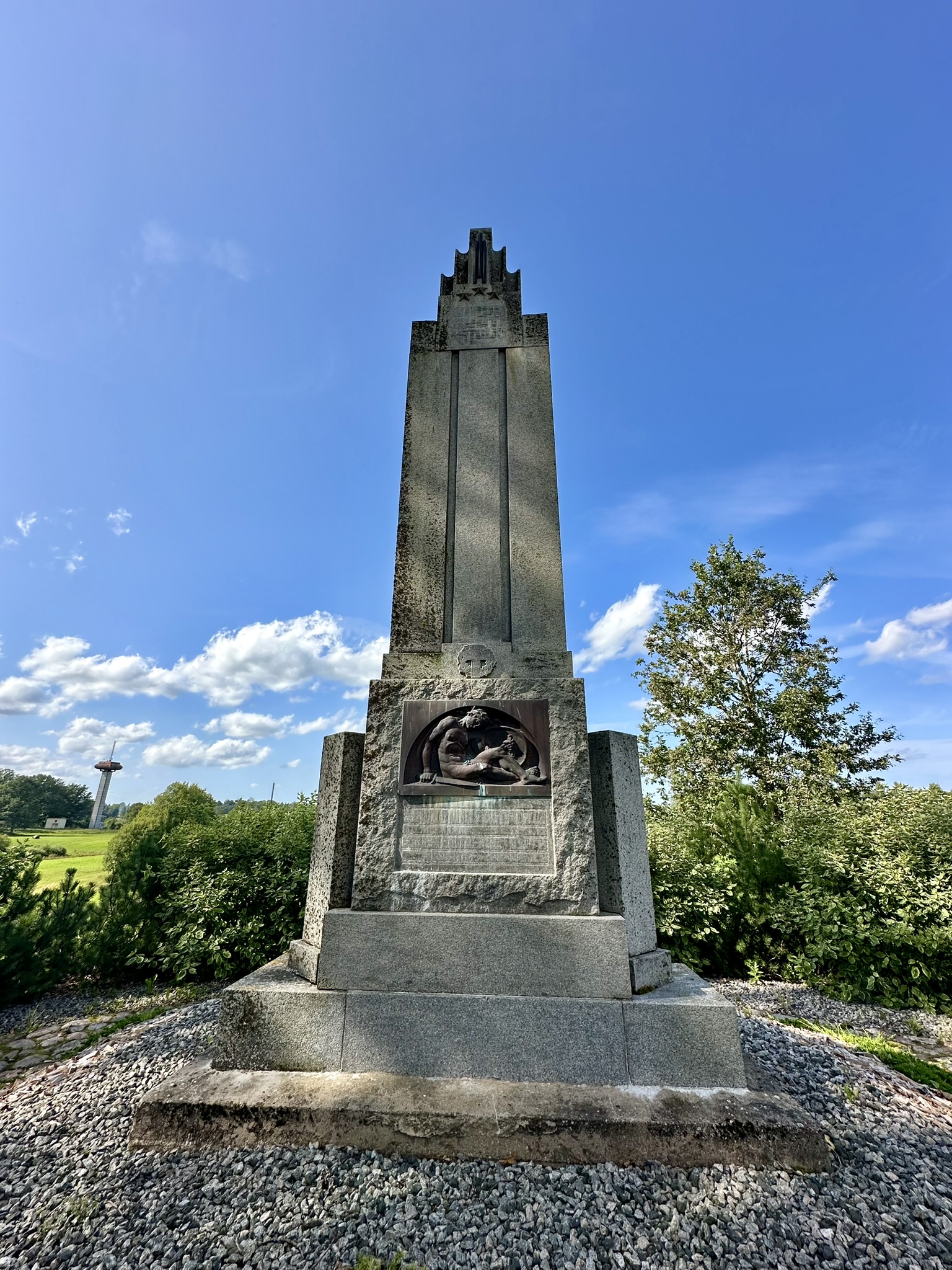
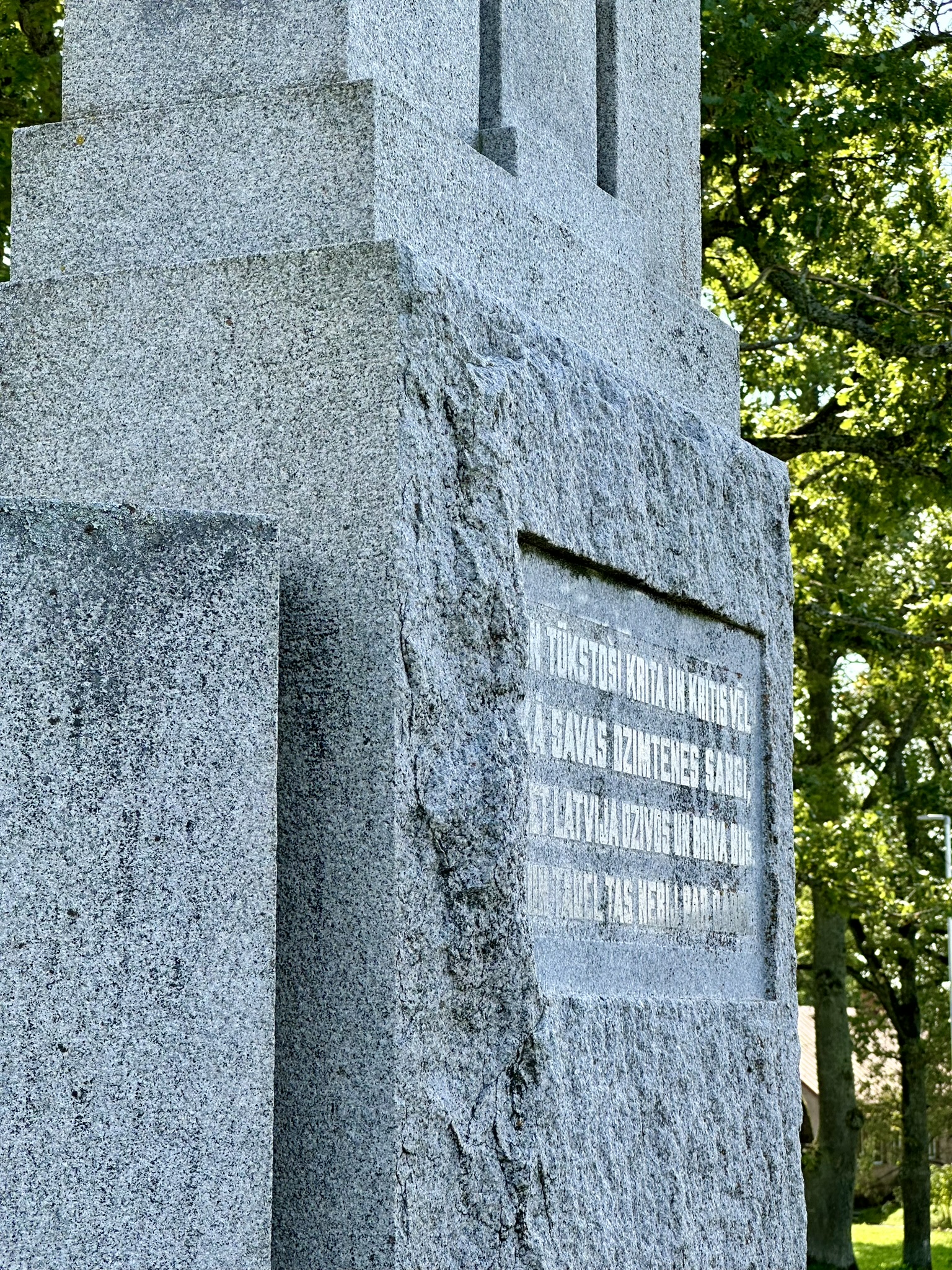
- In 1932, a monument was erected next to the church in memory of members of the Drusti congregation who fell in the Latvian War of Independence and World War I.
Visitors to Drusti may join guided tours led by Ieva Lejmalniece and, by prior arrangement, enjoy an organ performance demonstration by Maija Daugule.
Address
Ozolu iela 7, Drustu pagasts
Contact
Opening hours
Opening hours: guided tours must be booked in advance!