

Historic Town Centre of Ape
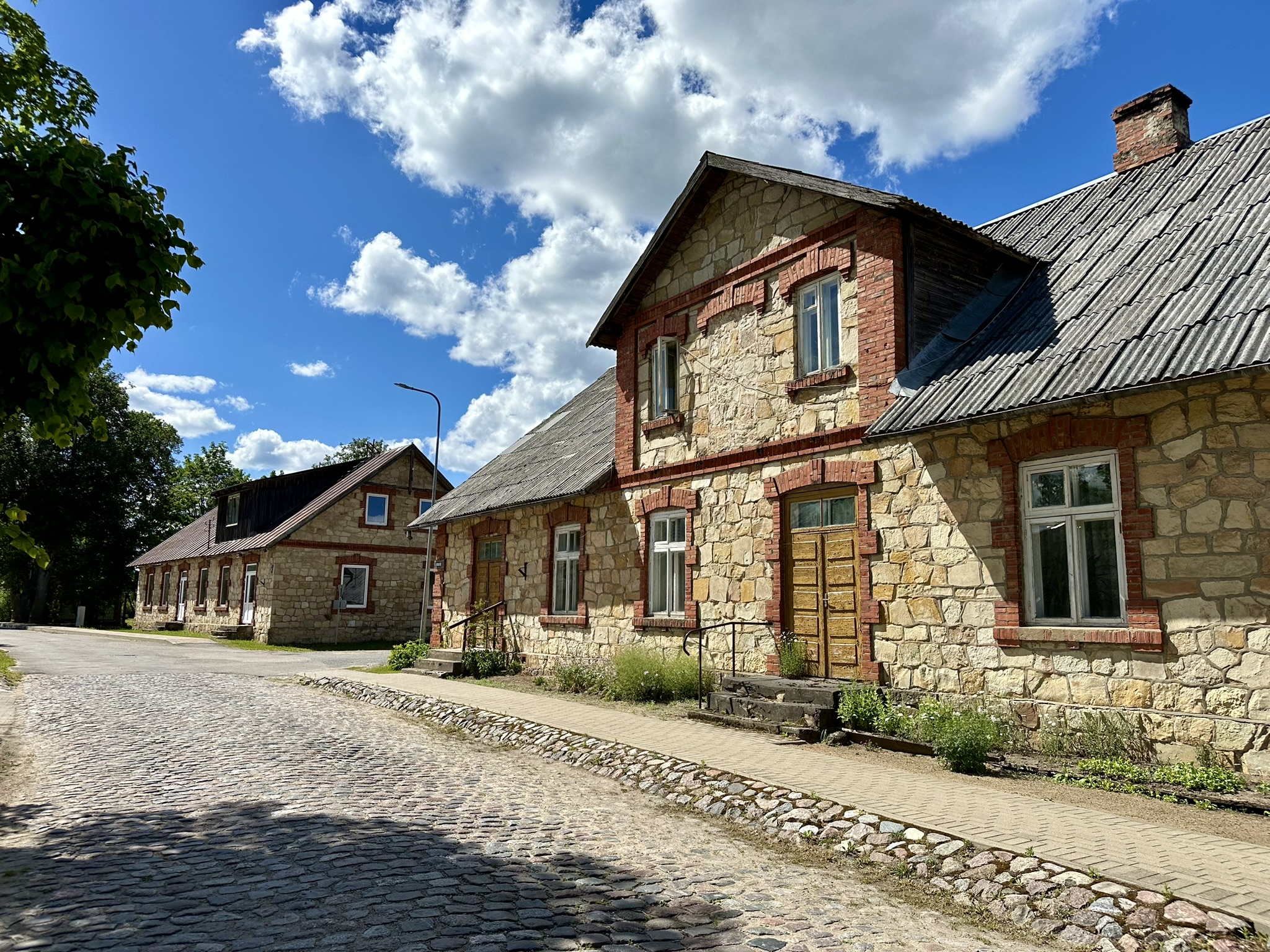
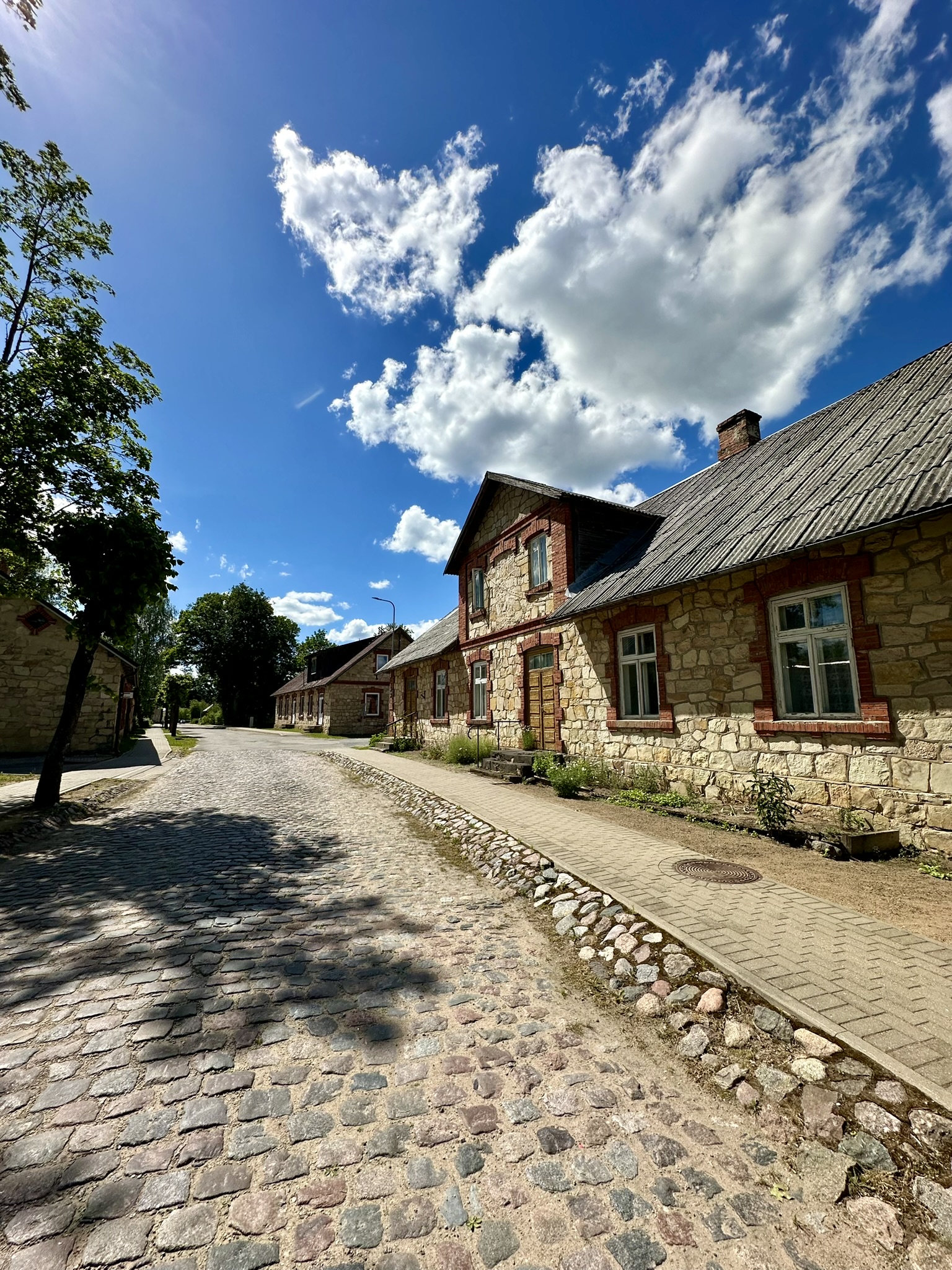
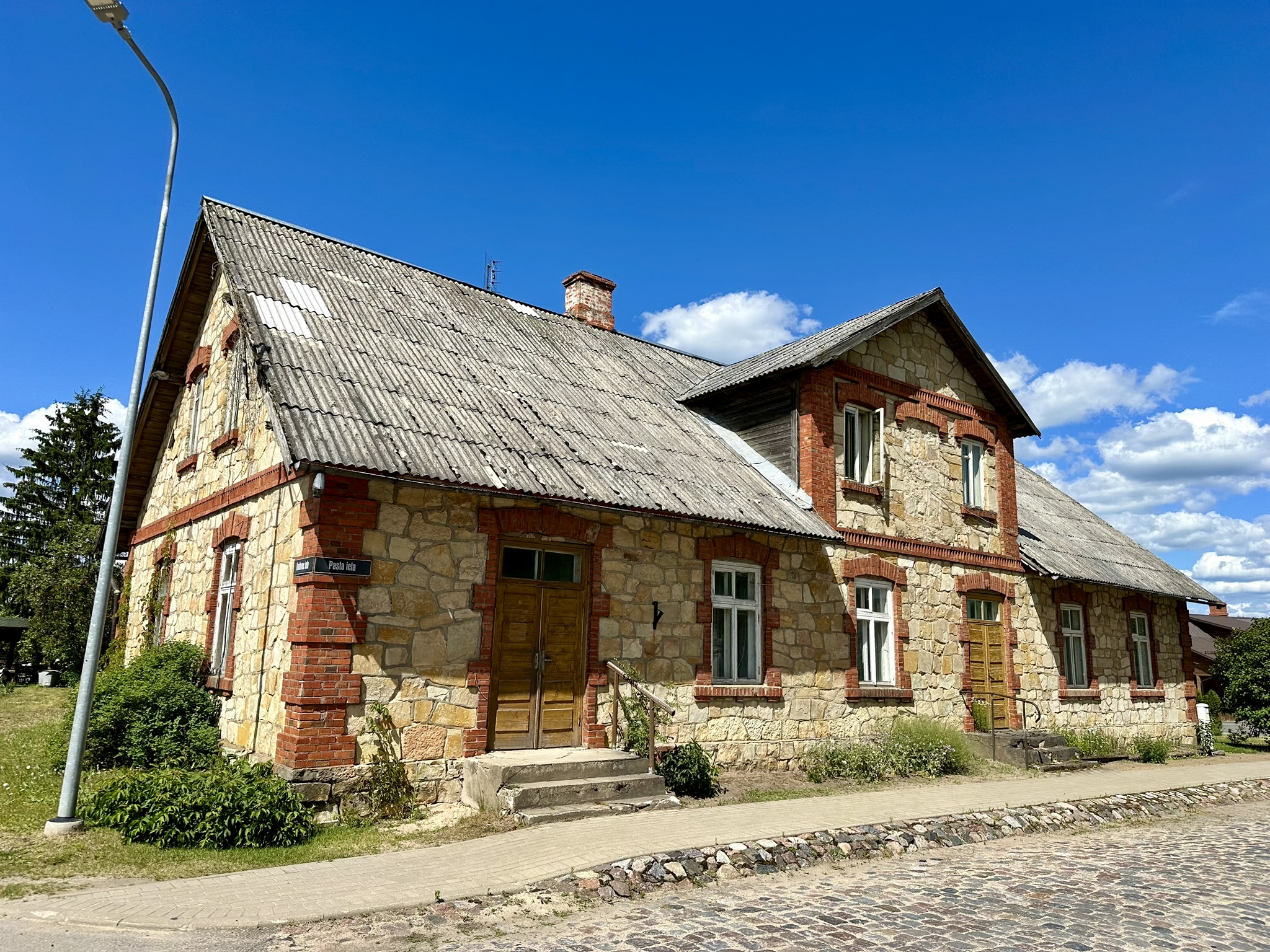
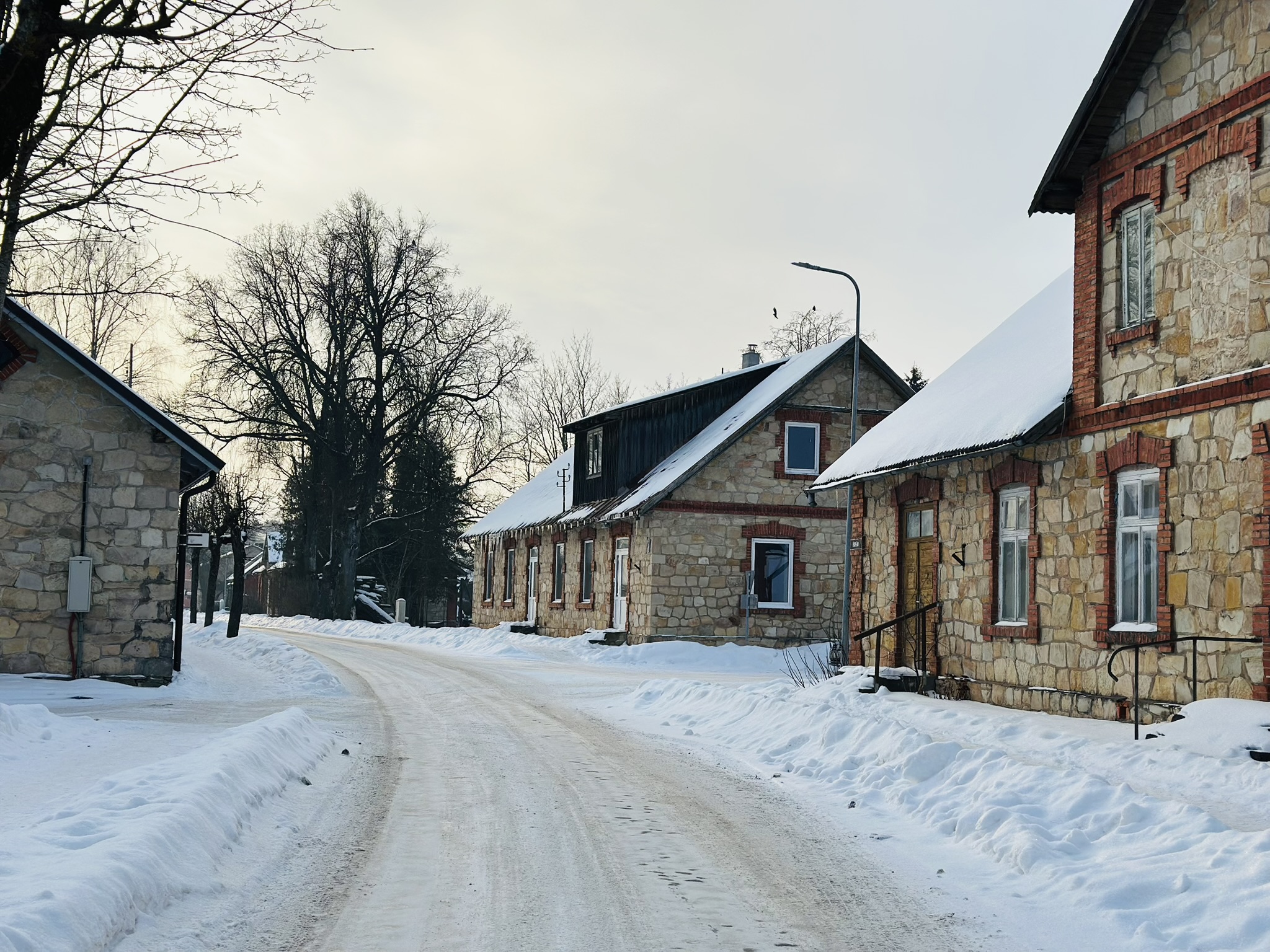
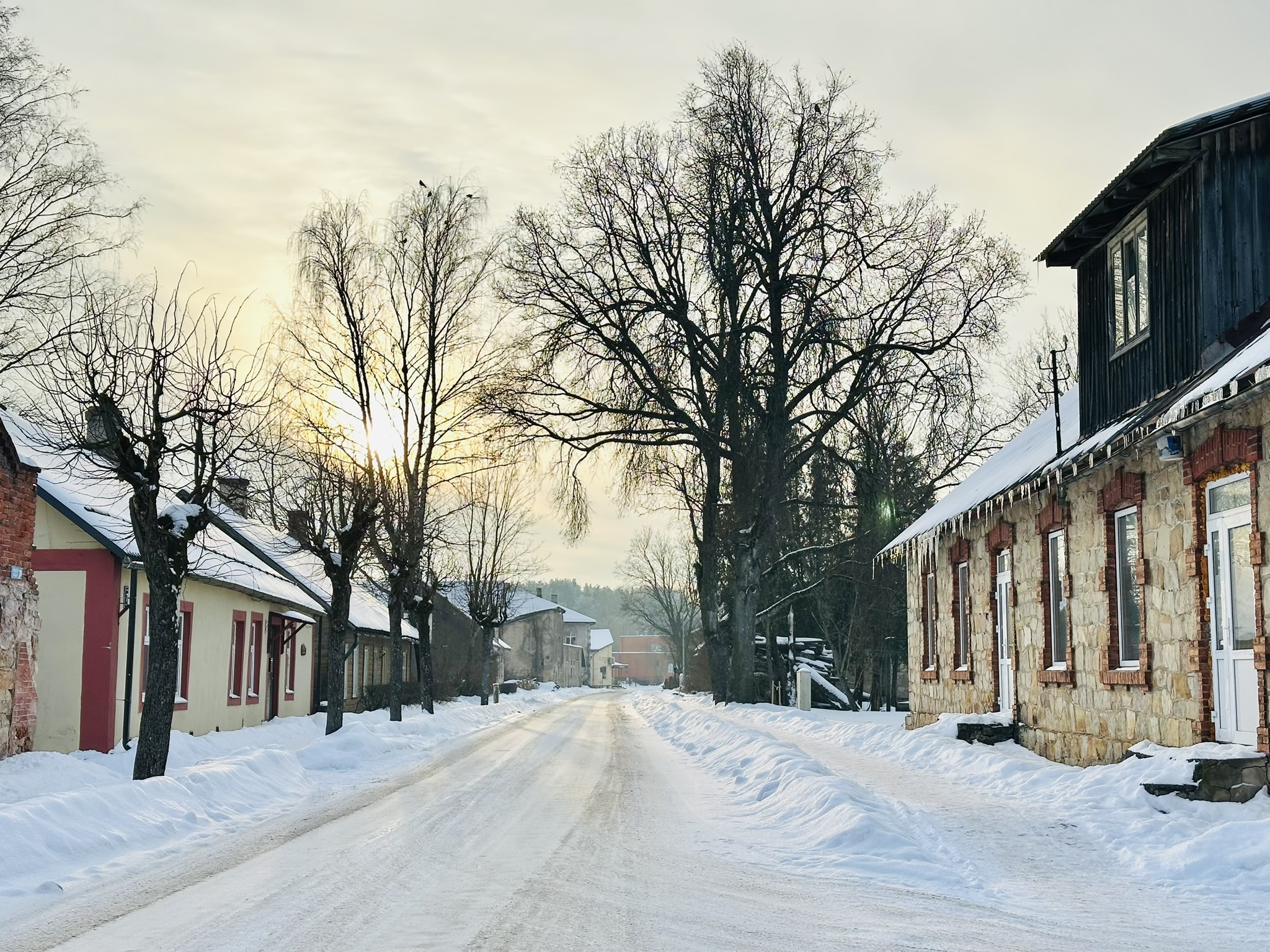
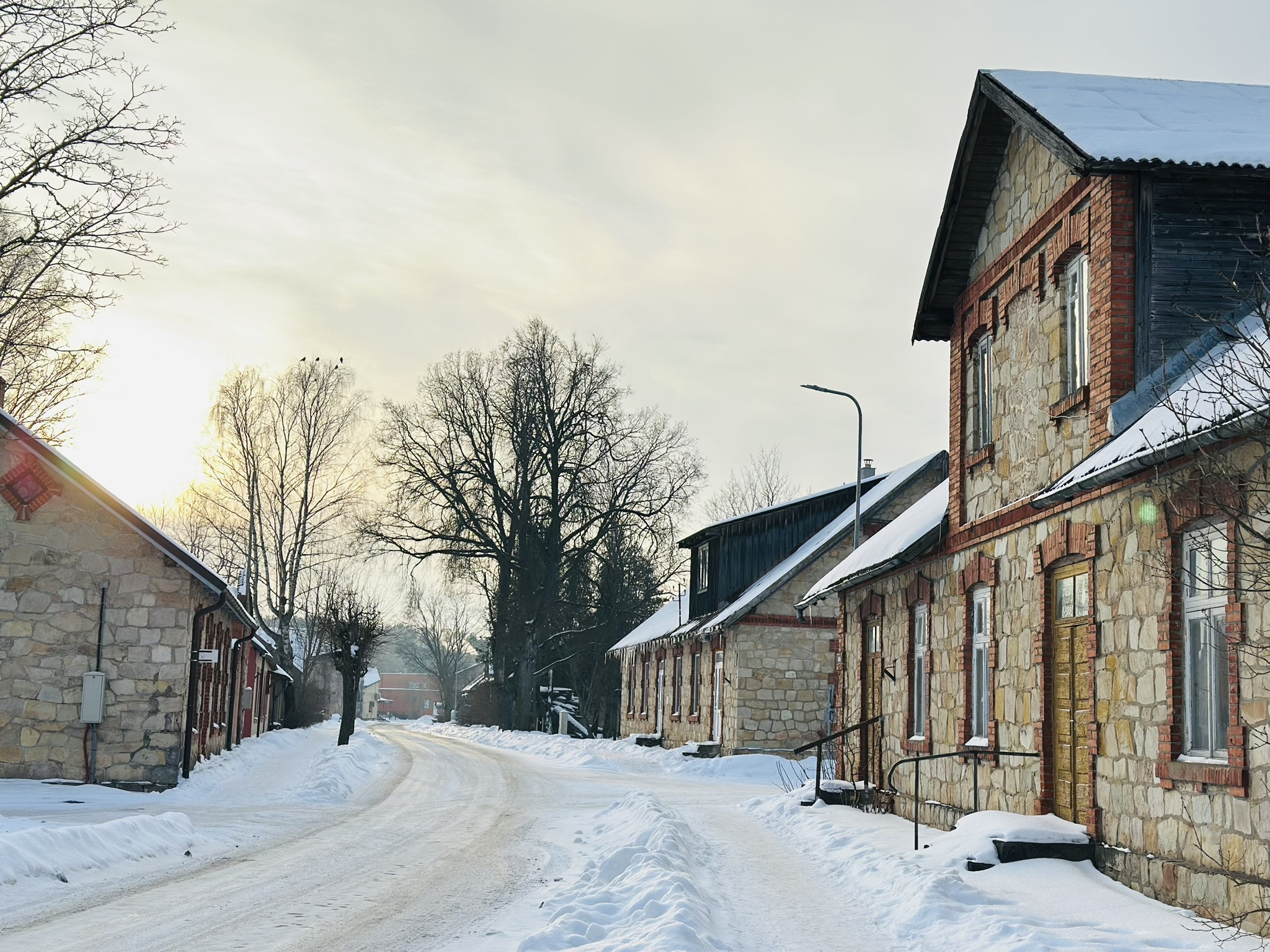
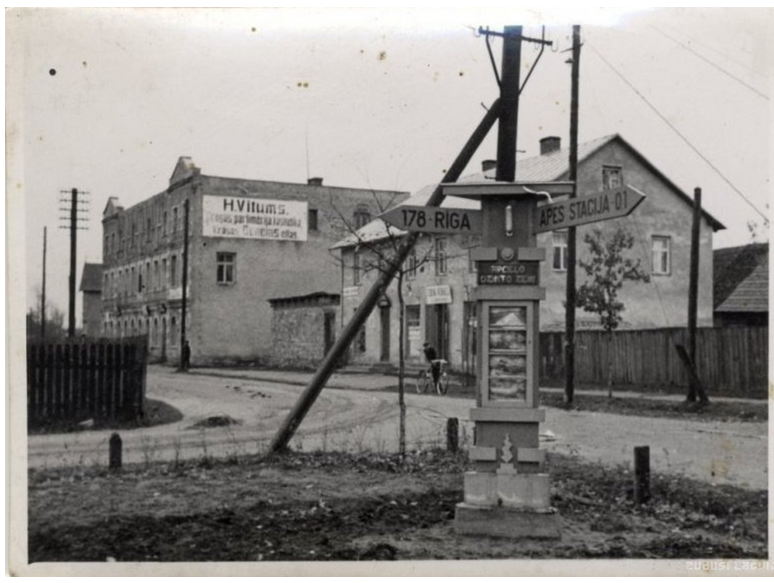
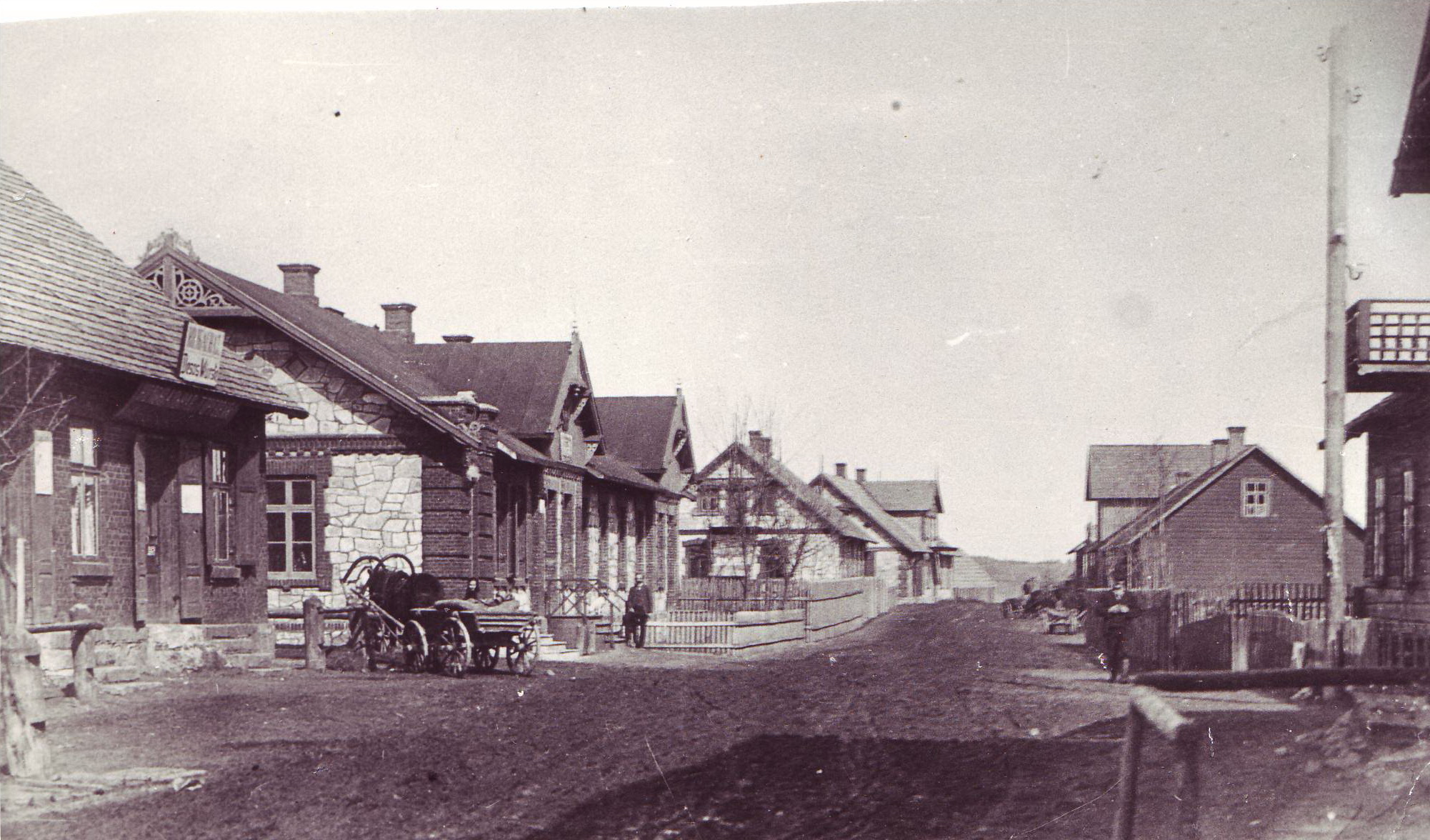
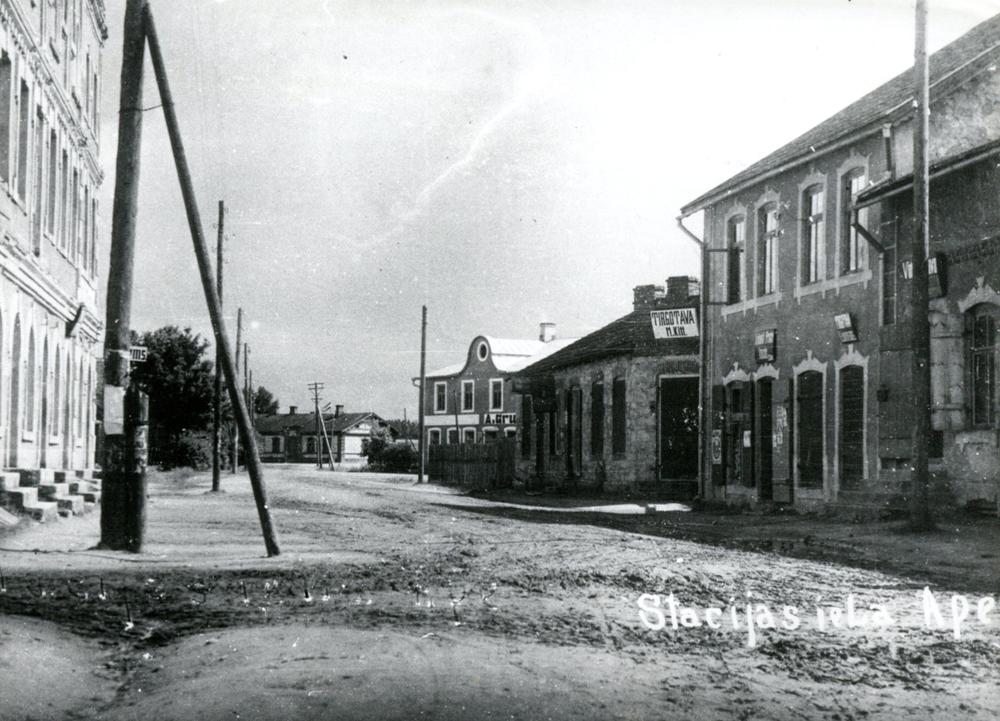
The dinstinctive beauty of the Ape architecture is portrayed in the buildings from the beginning of the 20th century. The most typical they are both in Pasta street and at the beginning of Stacijas street.
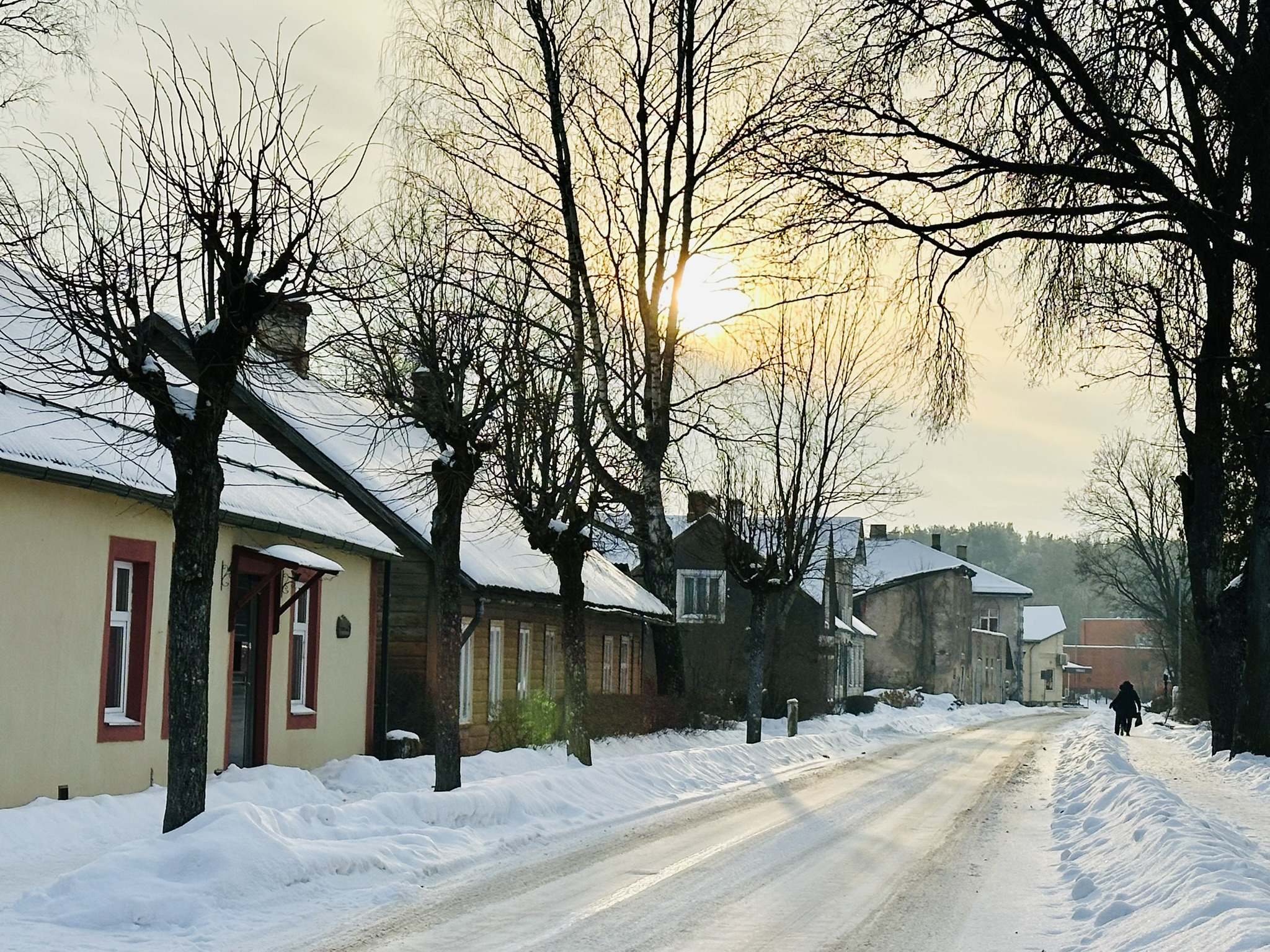
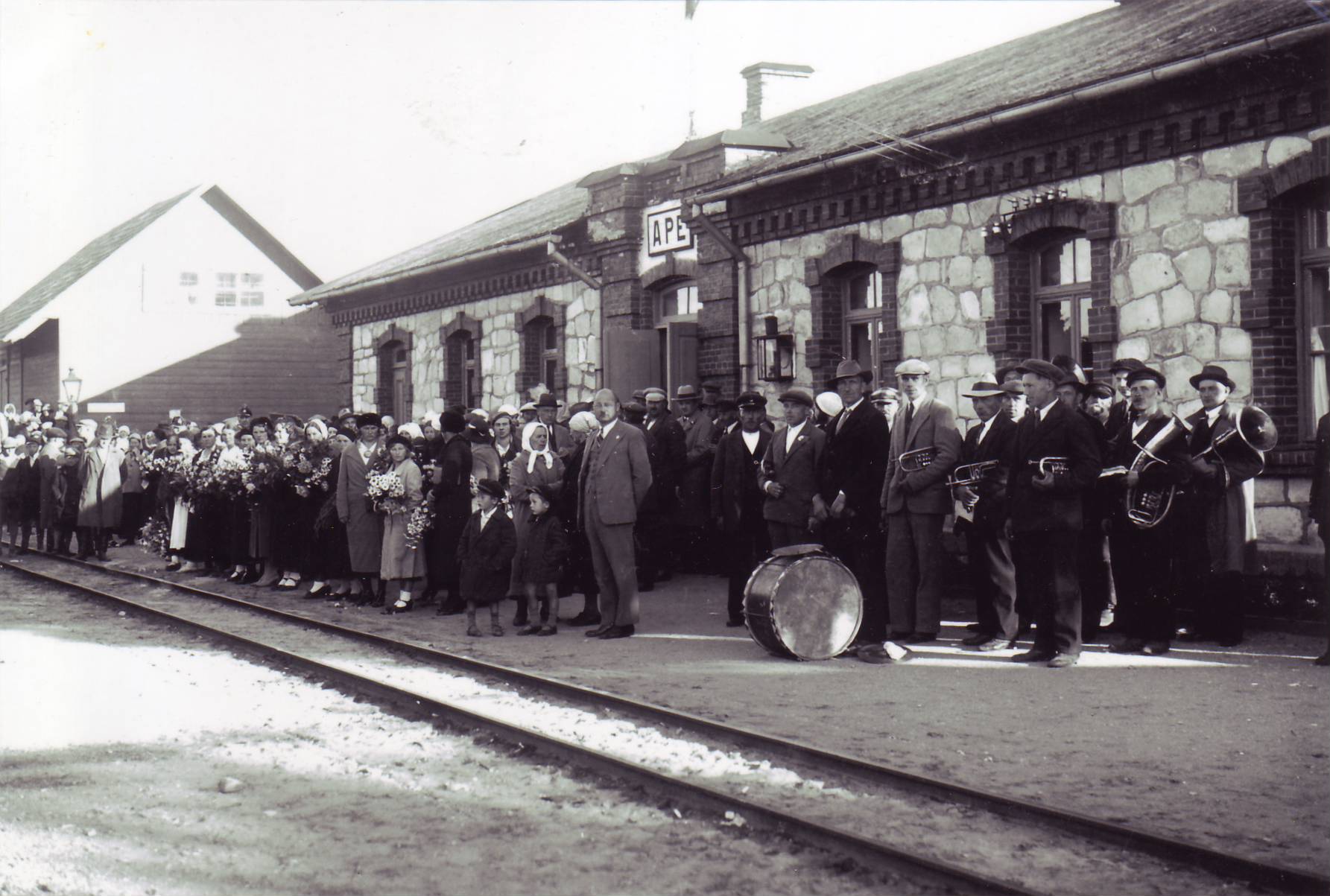
The original layout of the settlement inhabited by merchants and craftsmen was commissioned by Baron Axel von Delwig of the then Hopenhof (Ape) estate. Not only did he take care of the construction of the railway station and other buildings, but also of planting trees along the streets.
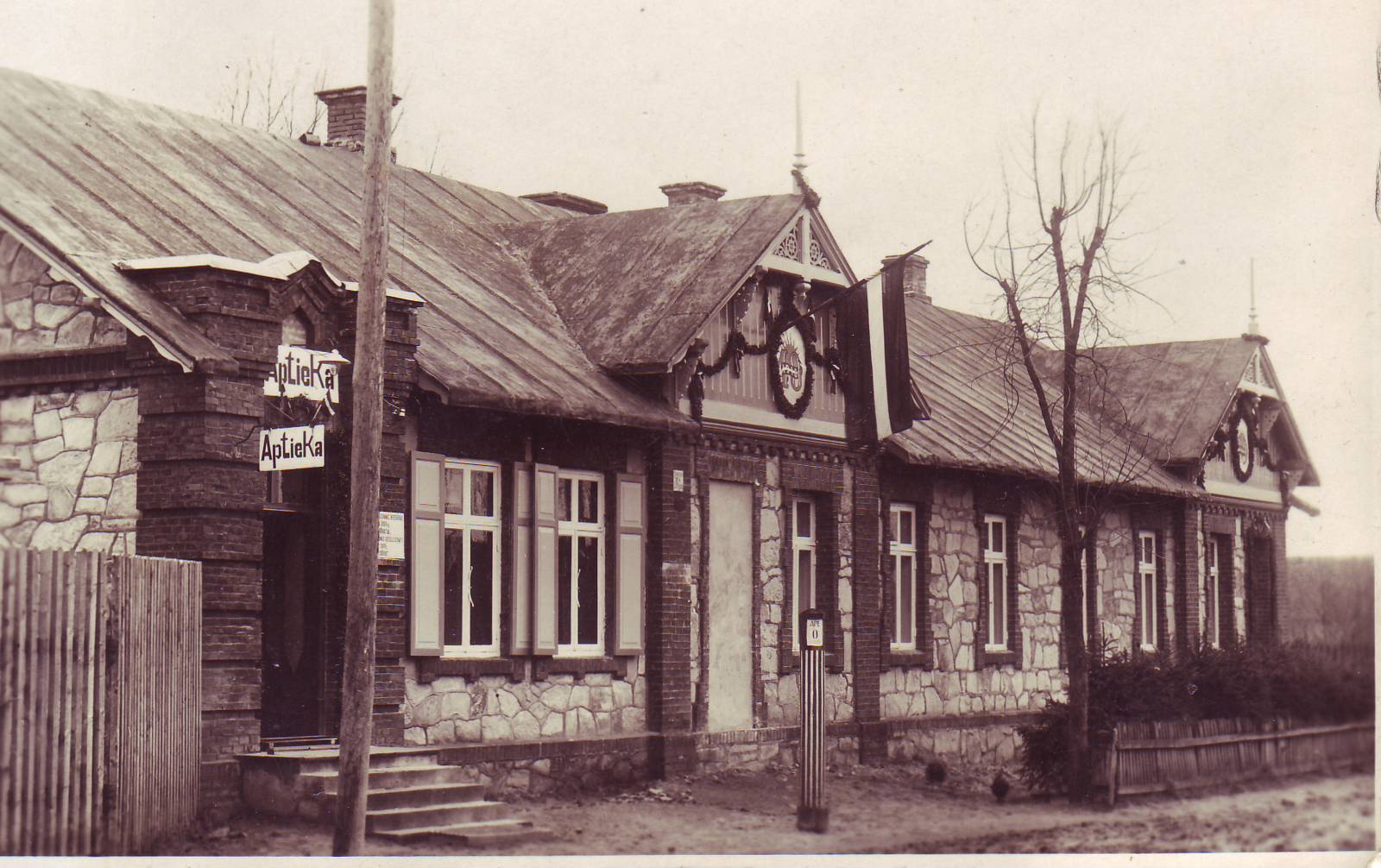
The distinctive atmosphere of the small town is shaped by the use of locally sourced colorful dolomite, red bricks, and wood in building construction. The houses in the historic center of Ape are very diverse, reflecting architectural features of several borderland nationalities—Latvian, Estonian, and Russian. Several buildings have preserved their unique “weather vanes.” The most ornate ones, decorated with wood carvings, can still be seen on the roof ridge of the former pharmacy building.
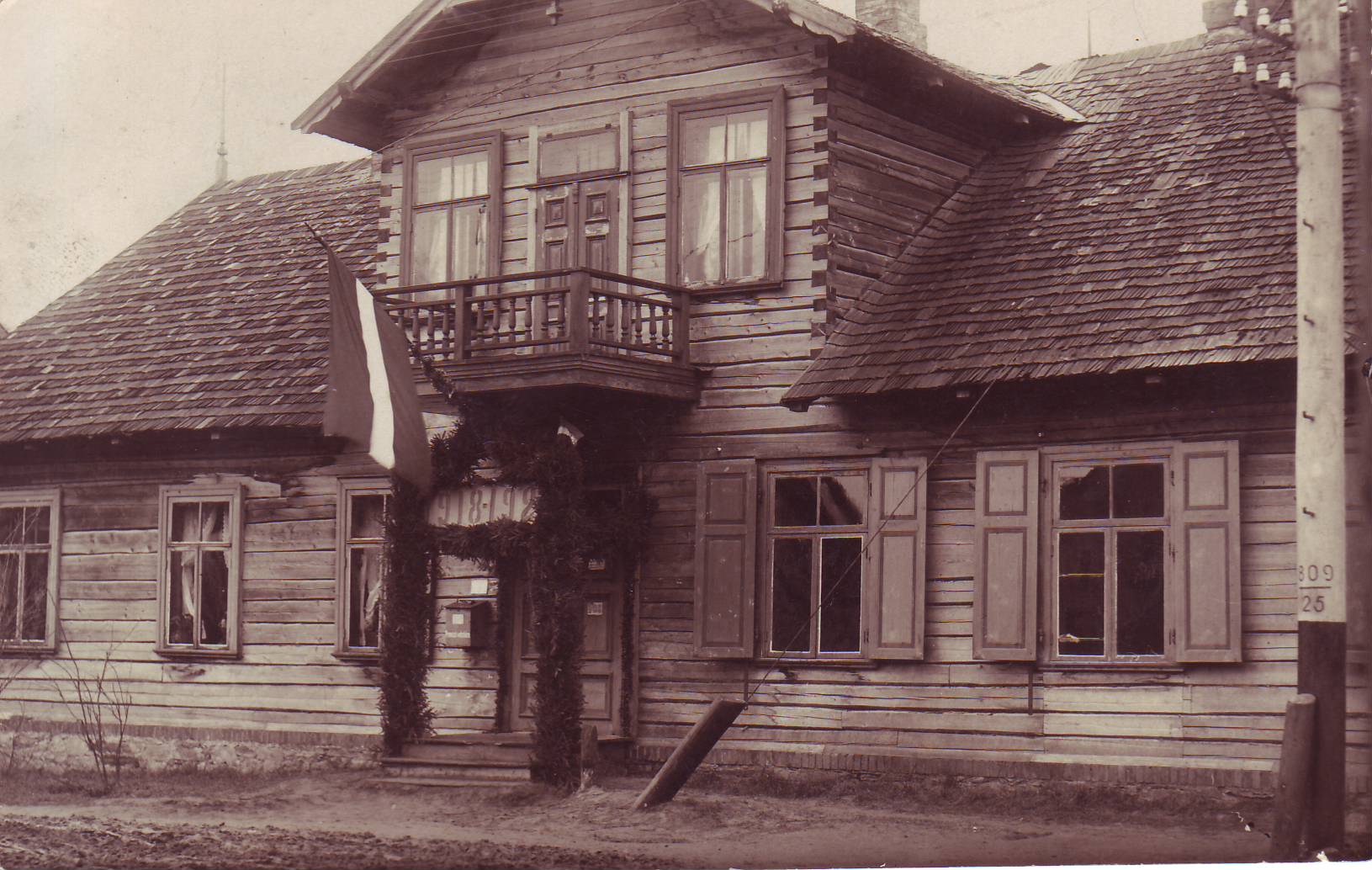
The tallest building in Ape was once the three-storey house of the merchant Veidiņš, although its third floor was demolished in the late 1950s. Next to it stands a large warehouse, unfortunately not spared by the passage of time. Meanwhile, the old wooden post office building was one of the first buildings in the country constructed specifically for this purpose.
The house of Doctor Rauziņš (now a kindergarten), the primary school (built in 1939), and Detlavs’ “Tower House” also feature interesting architecture and history.
There is also a special place on Post Street in Ape – a 200-meter-long paved section made from hand-forged cobblestones. It was laid between 1930 and 1936. Before that, the street had been difficult to pass, and in some places it is said to have even been covered with wooden planks. This year, the cobblestone pavement marks its 90th anniversary.
Among the oldest buildings in Ape there are also the houses located at the beginning of Skolas Street. The present-day building of Cultural Centre was originally constructed as the school of the Opekalns Agricultural Society, while the current “Crafts House” once served as a warehouse. The former “Saliņa School” on the opposite side of the street has still retained its historical appearance.