

Jakob Lange’s Resting Place
“While German pastors often held the view that Latvians were merely peasant people meant only for work, Lange fought for Latvian education and founded schools.”
Jakob Lange was a Baltic German pastor, translator, and publicist of his time, and the creator of the first German-Latvian and Latvian-German dictionary.
- Lange arrived in Latvia in 1736 and, after only six weeks, had already composed his first sermon in Latvian.
- A year later, he began editing Glück’s Bible translation, serving on the commission preparing the second edition of the Bible under the leadership of B. Fischer.
- 1753. In 1753, Lange completed “Vidzemmes Ļaužu veccas un jaunas buhschanas Stahstus” (in English, “Stories of the Old and New Ways of Life of the People of Vidzeme”), also describing language and dialects and noting unnecessary borrowings from German (the work remained only in manuscript).
- The manuscript of Lange’s German-Latvian and Latvian-German dictionary was completed in 1757, but it took another twenty years before it reached readers, despite various misfortunes (the printing house where the dictionary was printed burnt down).
- Lange’s dictionary is one of the oldest and most important sources on Latvian mythology, accidentally becoming a handbook of mythology, rather than a description of the Latvian language.
- Jakob Lange was the translator of the first medical educational periodical in Latvian, “Latviešu Ārste”, “Latvian Doctor” in English (old orthography: Latweeschu Ahrste), also “A Short Instruction About Illnesses and the Herbs of This Land, with Which People and Livestock Can be Treated and Cured”. The publication appeared every couple of weeks, a total of 25 times (1768–1769).
- Lange tried to bring his language closer to the way people actually spoke; therefore, in terms of linguistic features and style, “Latvian Doctor” is one of the most distinctive monuments of early Latvian written language, with very rich lexical material.
- 1991. In 1991, a book titled “Latvian Doctor” was published in Riga, compiling articles from all periodical issues with extensive comments, explanations, and a glossary.
- Lange owned a significant book collection (980 items). He inherited these books from his predecessor, General Superintendent J. A. Cimmermann; later, they came into the ownership of C. G. Sonntag.
Jakob Lange’s life story
- Jakob Lange was born in 1711 in Königsberg (today’s Kaliningrad), into a bookseller’s family.
- From 1717 to 1726, he studied at the Friedrich (Fridericianum) Lyceum in Königsberg.
- From 1727 to 1731, he studied theology at the University of Königsberg.
- 1731. In 1731, he worked as a teacher at the Friedrich Lyceum and was a participant in the Königsberg Lithuanian Seminar in order to learn Lithuanian. That same year, he moved to Danzig (Gdańsk, Poland) and Berlin (Germany).
- 1732. In 1732, on assignment from a Prussian commissioner, he travelled to Poland and Lithuania.
- From 1732 to 1736, he worked as a teacher and assistant pastor in St Petersburg.
- 1736.- 1745. From 1736 to 1745, he served as pastor of the Ēvele congregation (in Latvia).
- 1738. In 1738, he participated in the revision of the texts for the 2nd edition of the Latvian Bible.
- 1745.- 1771. From 1745 to 1771, he served as pastor of the Smiltene congregation.
- 1753. In 1753, he may have collaborated with F. B. Blaufuß on the
book “Stories of the Old and New Ways of the Vidzeme People, written in 1753”. - In 1768–1769, he translated P. Vilde’s medical publication “Latvian Doctor” (No. 1–25).
- 1771.- 1777. From 1771 to 1777, he served as General Superintendent of Vidzeme.
- 1772. In 1772, “A Complete Latvian Dictionary” was published.
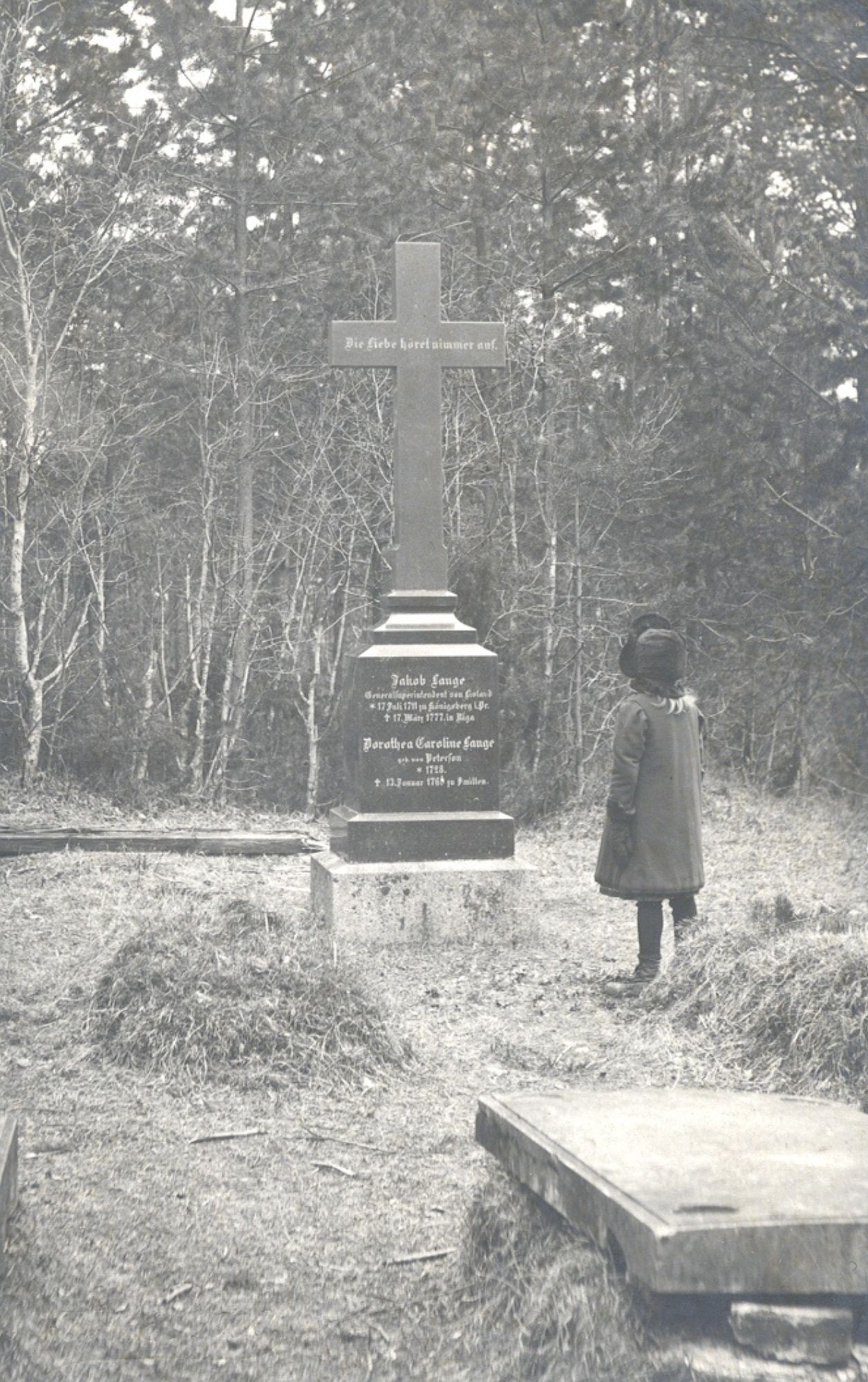
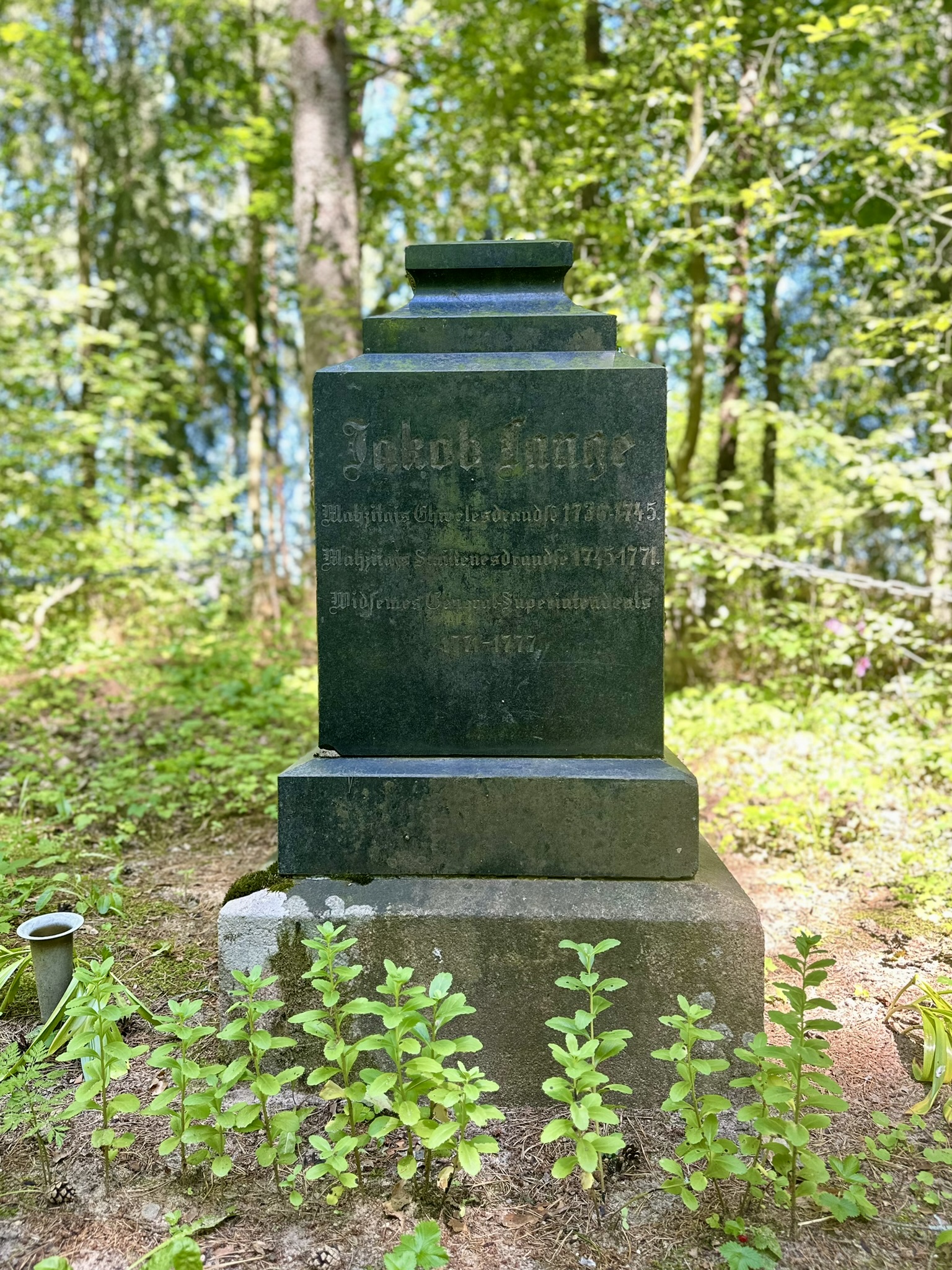
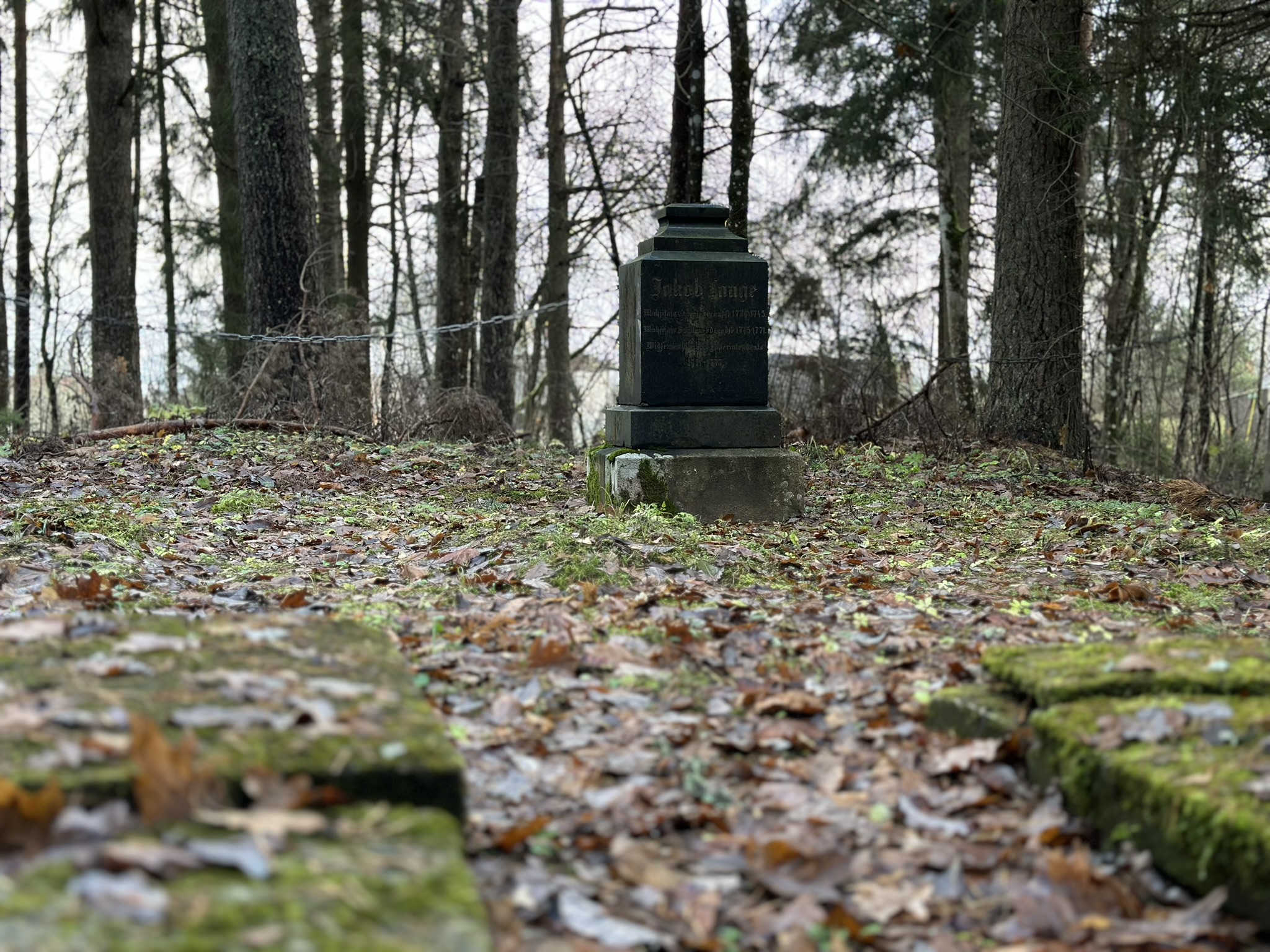
The first part of this dictionary was included in J. Lange’s dictionary, published in 1777. - 1777. Lange died in 1777 in Riga and was buried in Smiltene, at Cērtene Cemetery.