

Jāņukalns Open-Air Stage
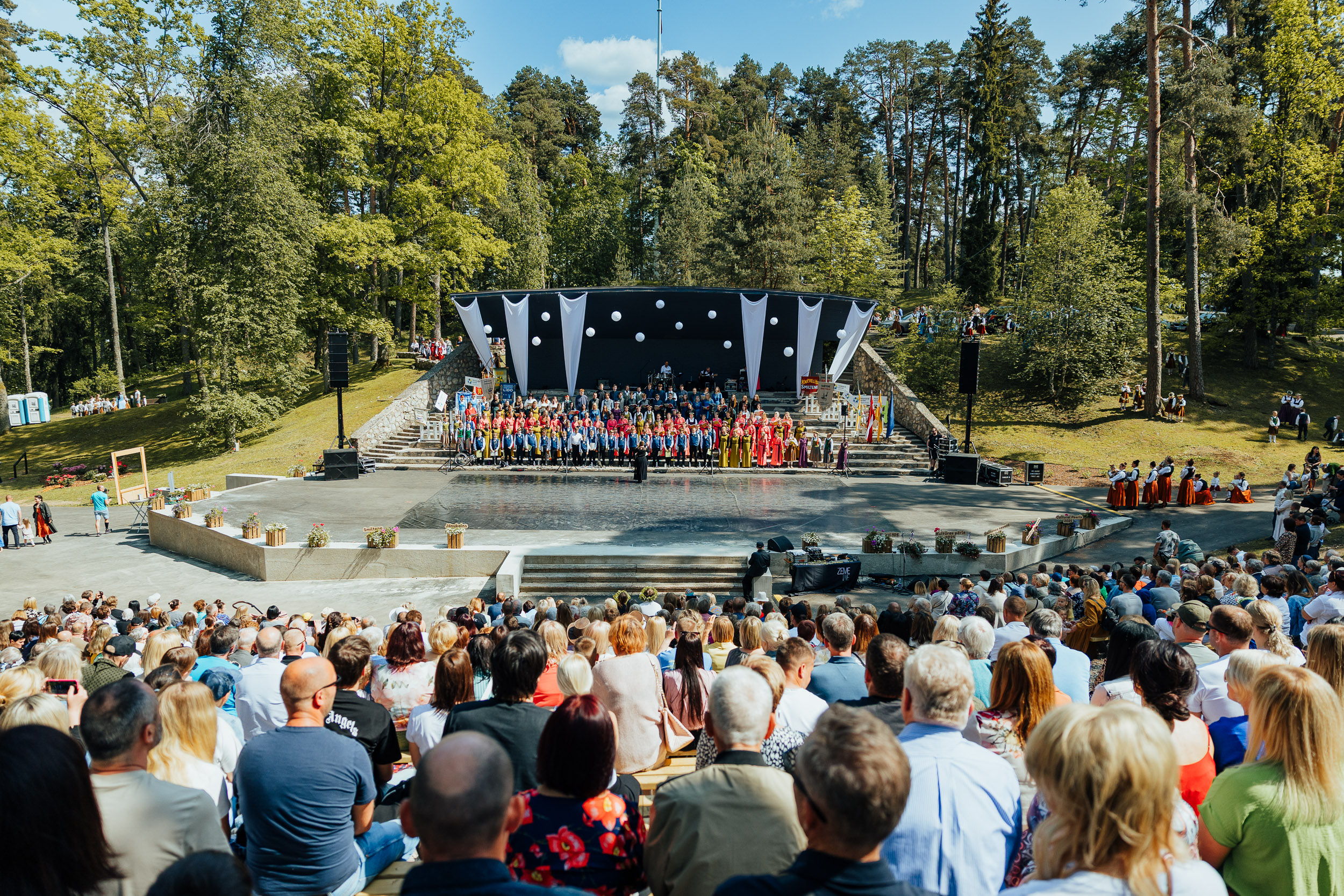
Jāņukalns is one of Smiltene’s hills and is also depicted in the town’s coat of arms. Today, it is known as Jāņukalns, while in the past, it was called Jānis Park.
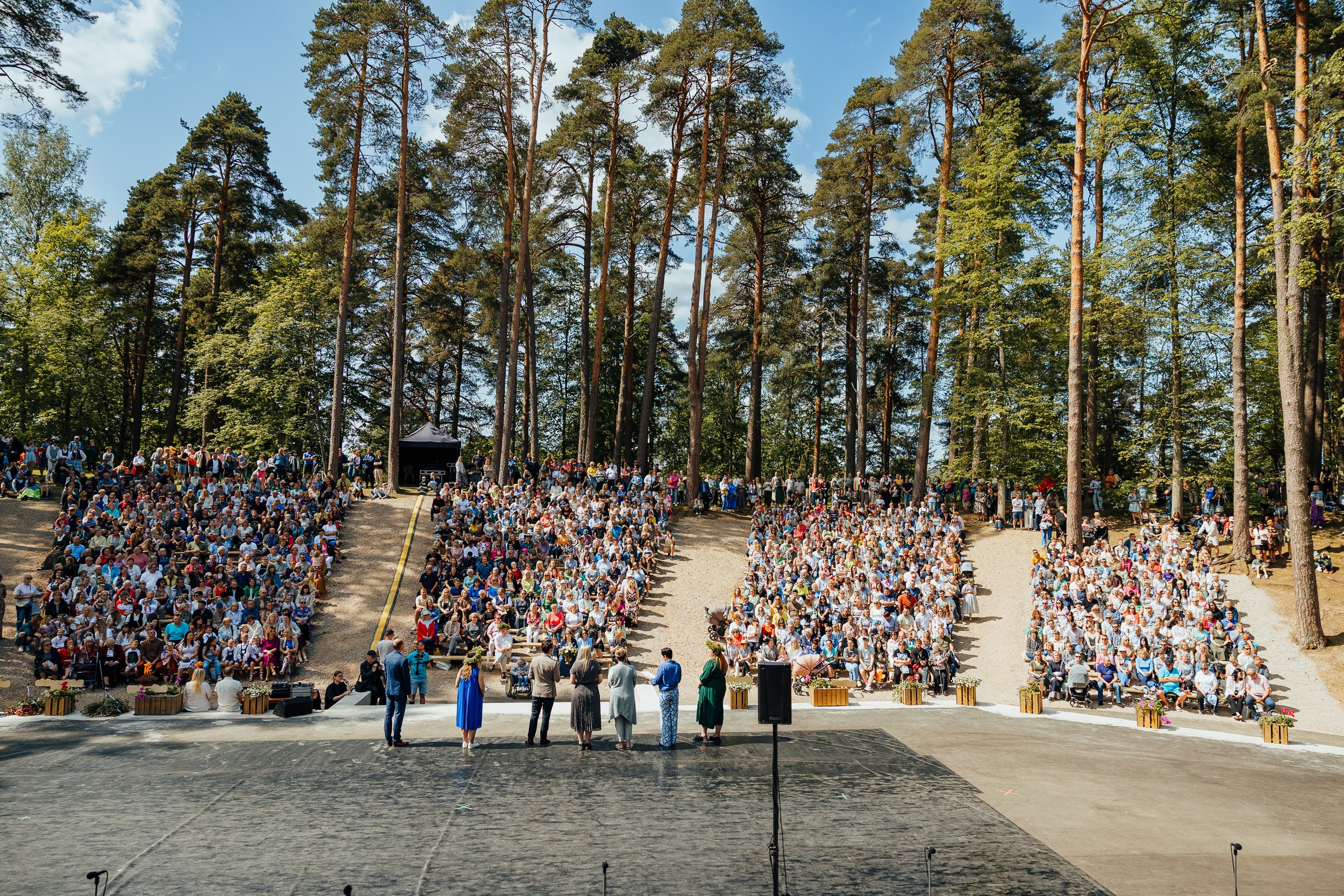
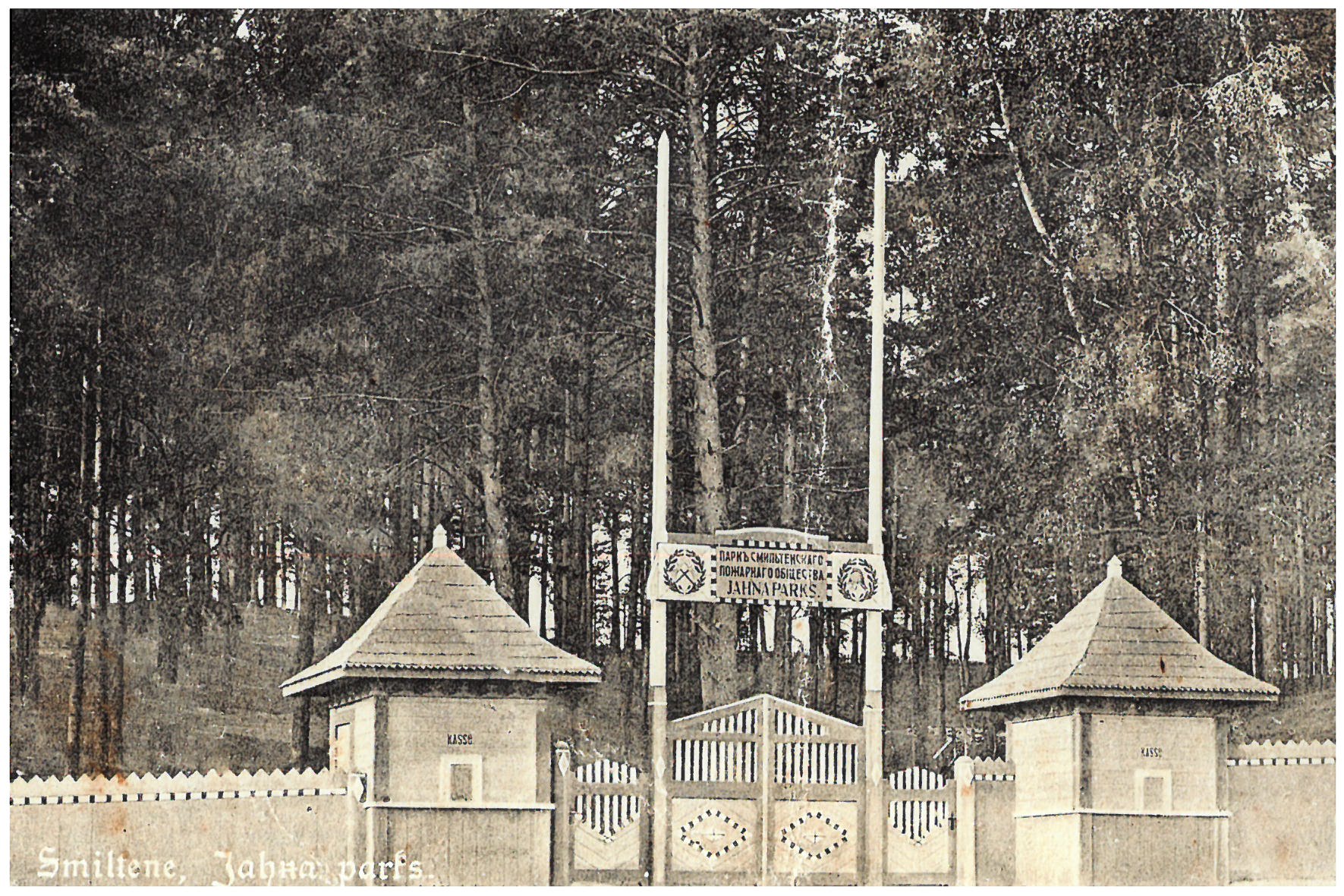
- In 1910, the then-owner of Smiltene Manor, Paul Lieven, granted this plot of land to the Smiltene Volunteer Firefighters’ Association for permanent, unlimited use. An open-air stage was built in its natural hollow, where Smiltene residents and guests gather for various celebrations. The territory was enclosed by a neat wooden fence with two small wooden huts housing the ticket office, and wooden entrance gates that were always decorated with birch branches.
- Lieven stipulated that by 1914, the firefighters were to construct a building serving the entire town. A park was to be created with playgrounds, a velodrome, and music pavilions, providing schoolchildren and young people with opportunities to spend their free time outdoors in meaningful activities, steering them away from alcohol, encouraging interest in sport, and developing physical strength and agility. Unfortunately, this vision was never realised.
- It was forbidden to hold any political meetings or public gatherings in the park, consume alcoholic beverages on the premises, or cut down mature trees.
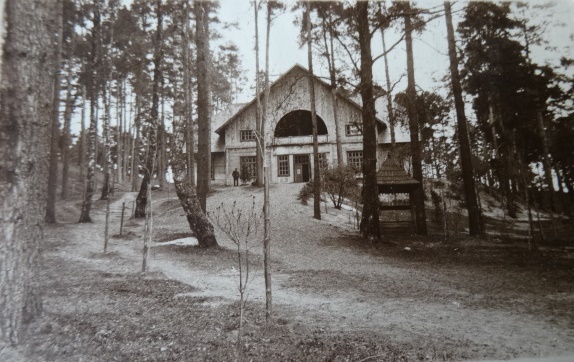
- In the first half of the 20th century, behind the stage at the top of the hill, there was a building with a large summer hall, a buffet, and other rooms, which burnt down in the winter of 1999 and was never rebuilt.
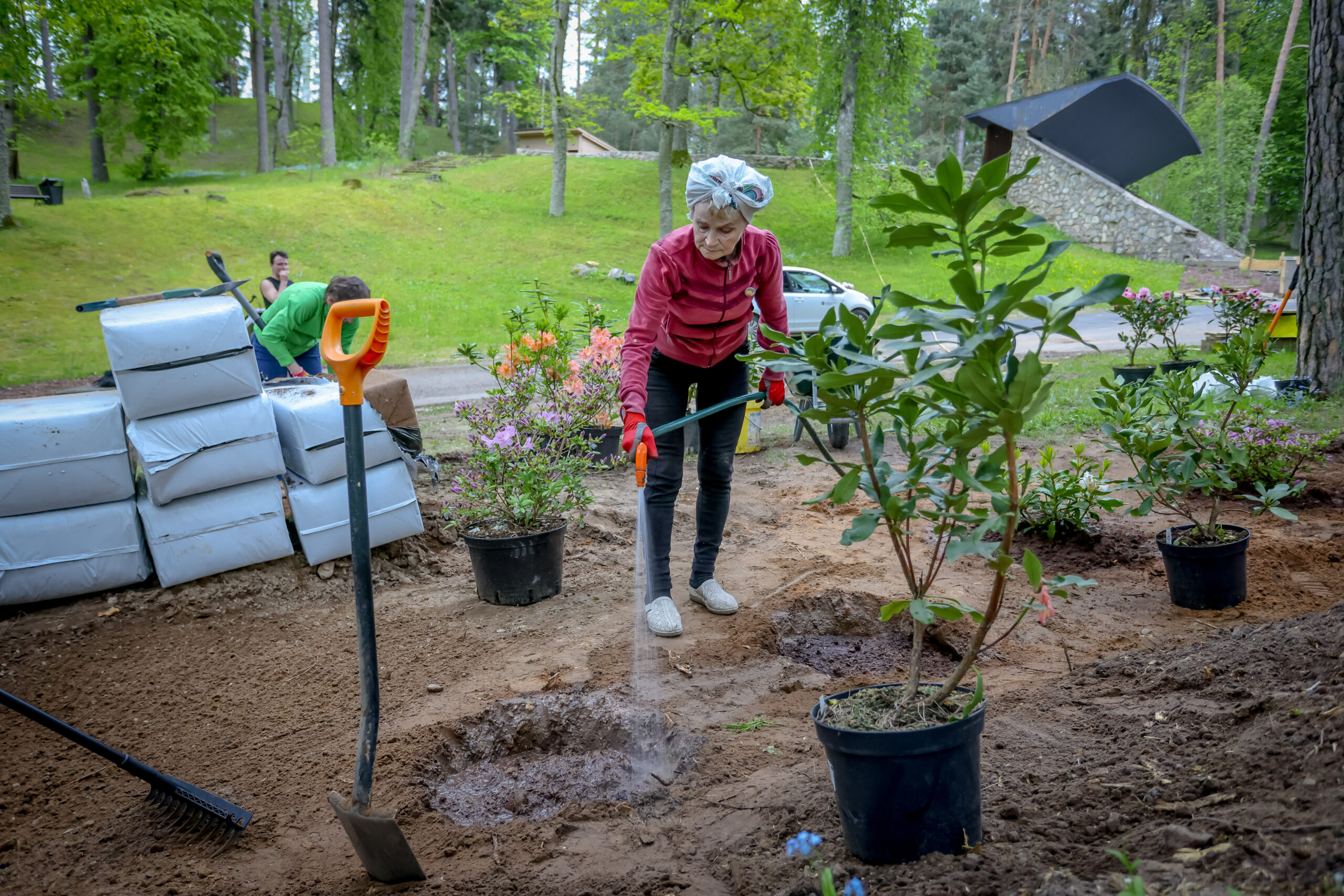
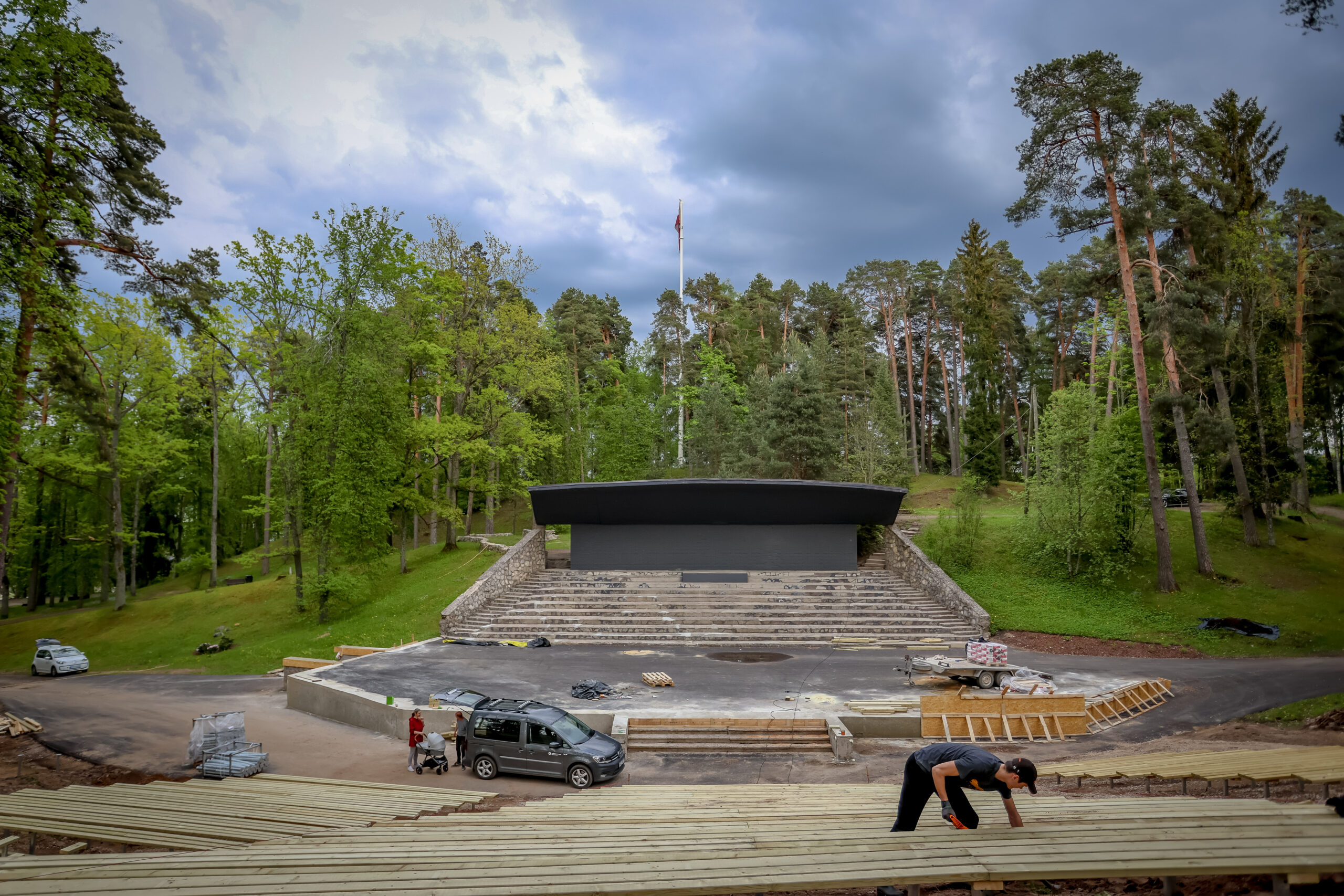
- 2025. In 2025, thanks to the initiative of local residents, voluntary work, and donations, the Jāņukalns open-air stage was restored.
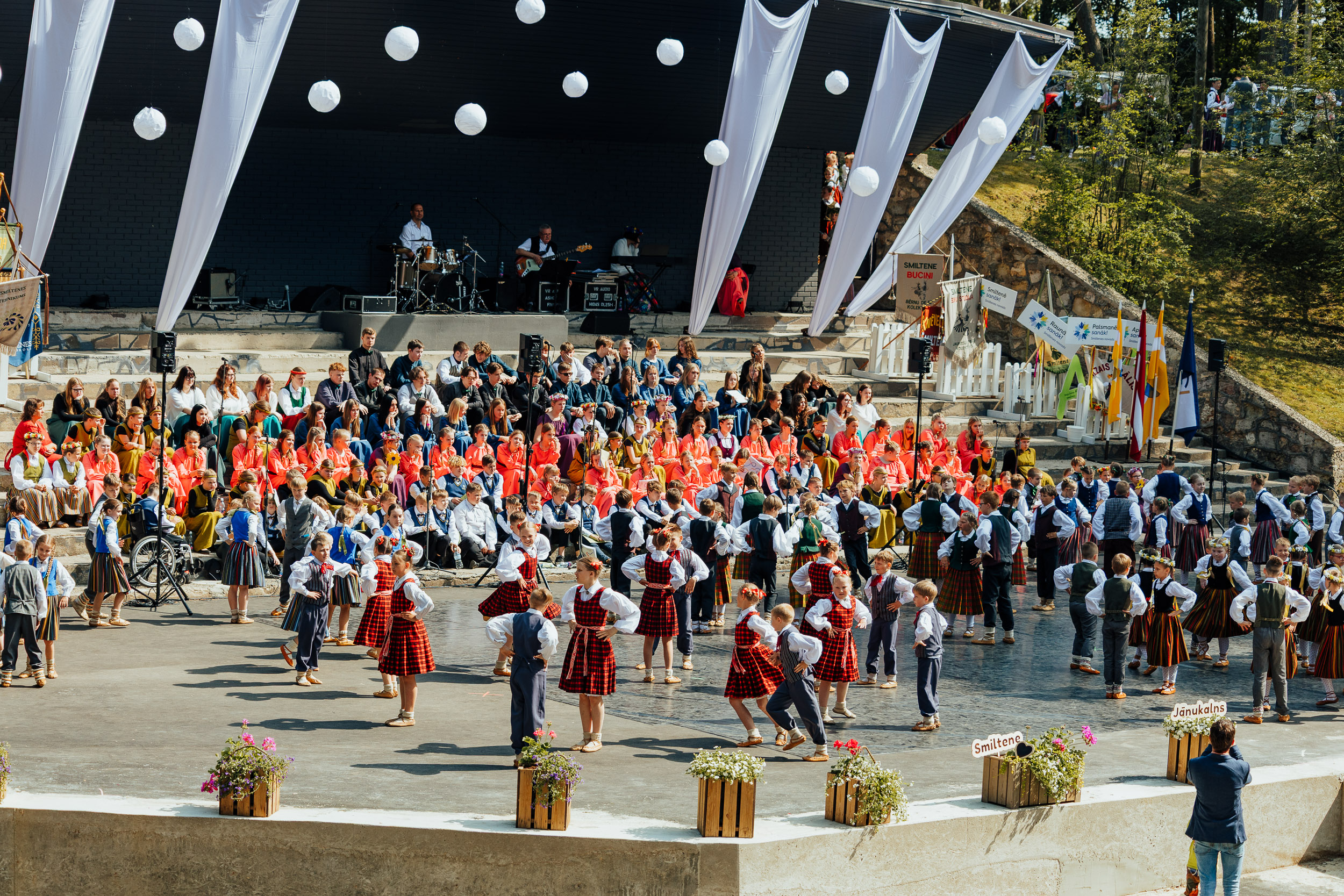
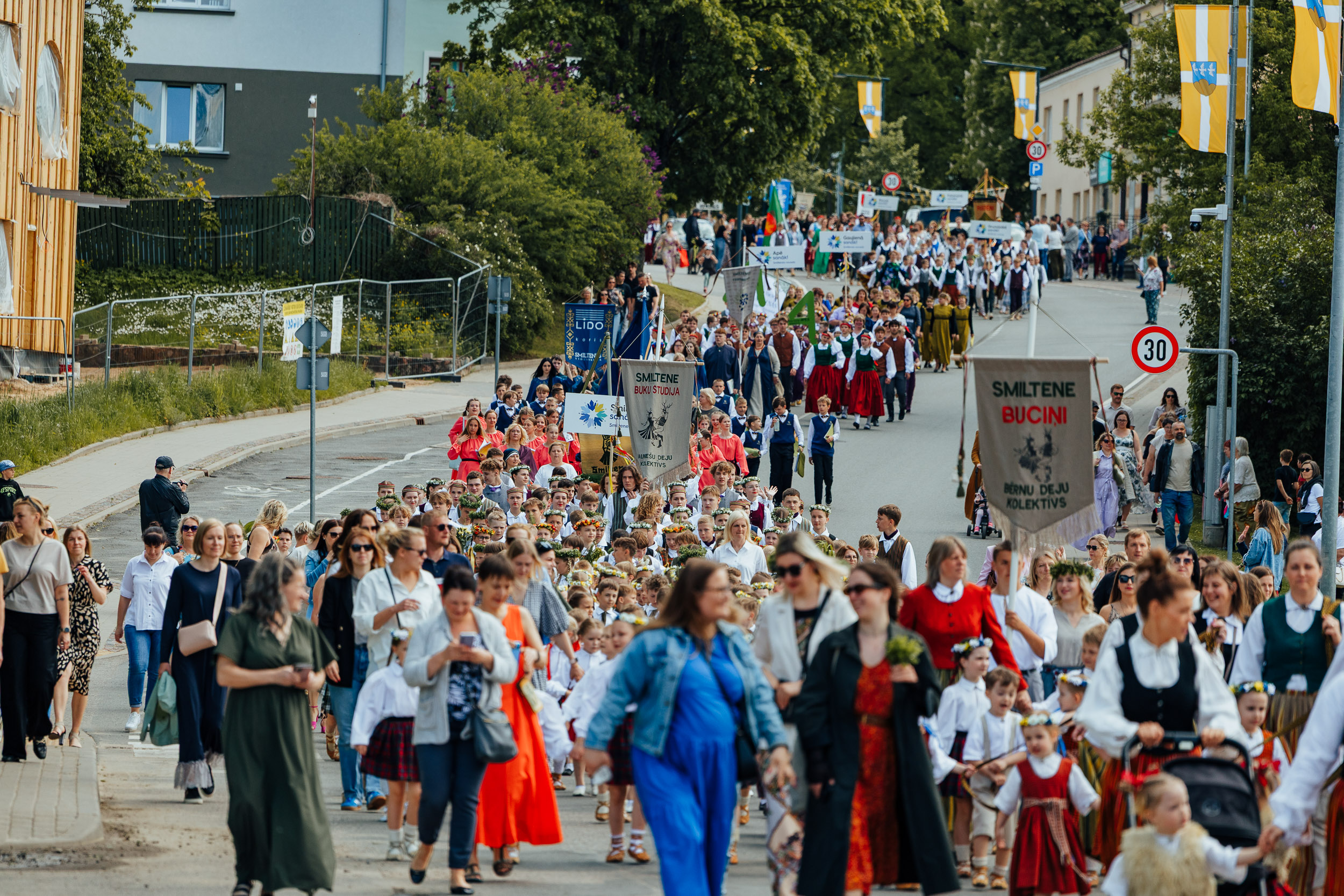
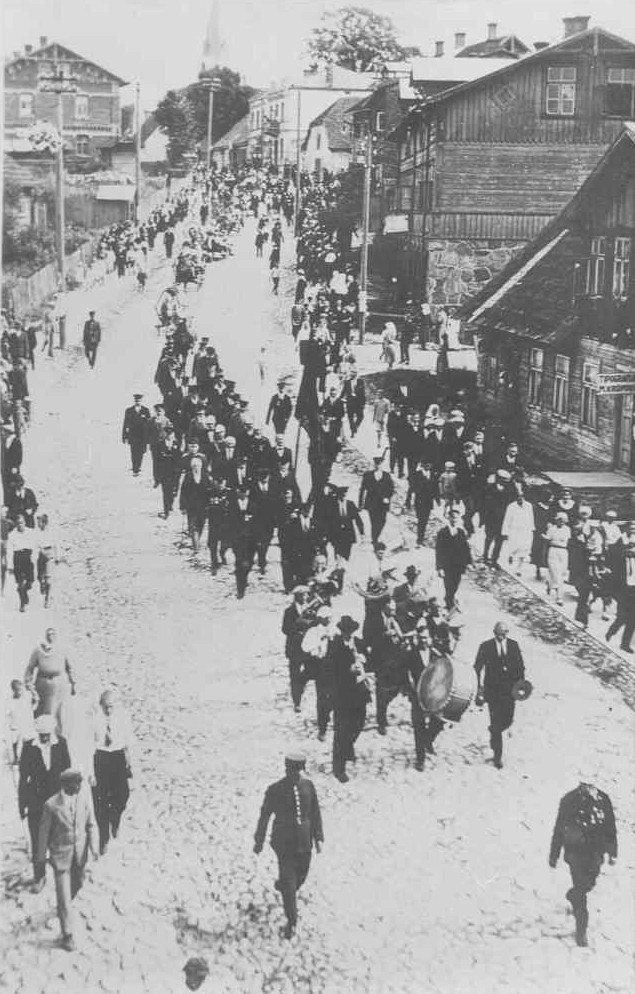
During the summer season, the stage hosts outdoor theatre performances, concerts and dances. A festive procession from the town centre to the stage has become a tradition both during the Smiltene City Festival and the opening of the open-air stage season. Residents and visitors join the procession, filling the city with a celebratory atmosphere. Markets and sporting activities are also often held here.
2025. In 2025, thanks to the initiative of local residents, voluntary work, and donations, the Jāņukalns open-air stage was restored.