

Tanīsa Hillfort
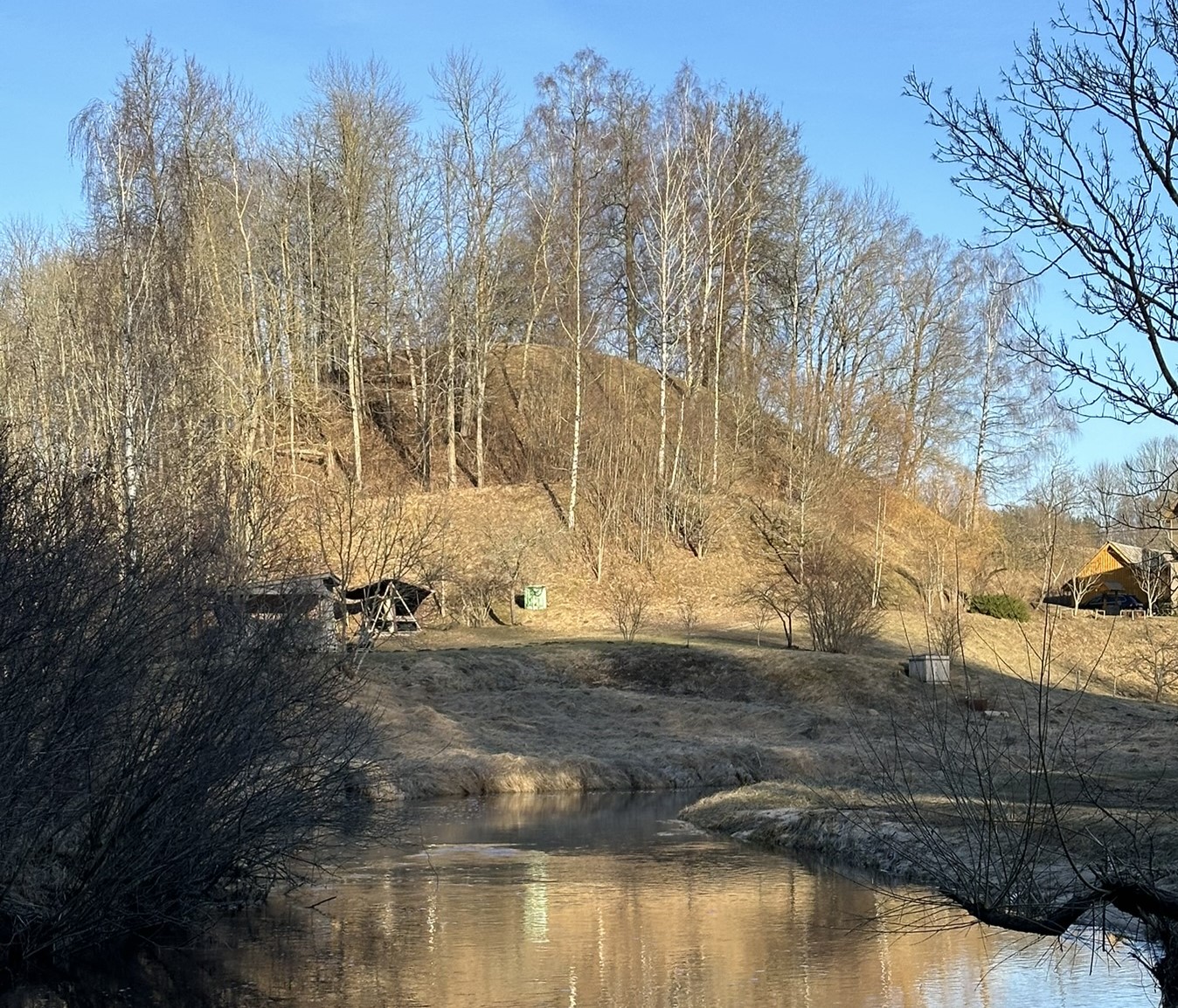
Tanīsa Hillfort may also be described as “Rauna before Rauna”. The hill reflects the earliest history of Rauna and its beginnings as a settlement, as this was the first location where people established a community.
- The hill has been inhabited since the 6th century BCE, when Finno-Ugric peoples settled here and established a stronghold for their ruler on the hill.
- Tanīsa Hillfort was one of the largest and most heavily fortified ancient Latgalian hillforts.
- Historians believe that the legendary Beverīna Castle may have stood here. Others suggest that it could have been the powerful Satekle Castle, ruled by the ancient Latgalian chieftain, Rūsiņš.
- One of the most extensive archaeological excavations took place in 1927 under the leadership of archaeologist Fricis Balodis. In the north-eastern part of the hillfort, a wooden structure was discovered with two living rooms and a stove in the antechamber. The building dates back to the 11th-13th centuries.
- The hill rises 60 metres above sea level and 25 metres above the water level of Dzirnezers Pond.
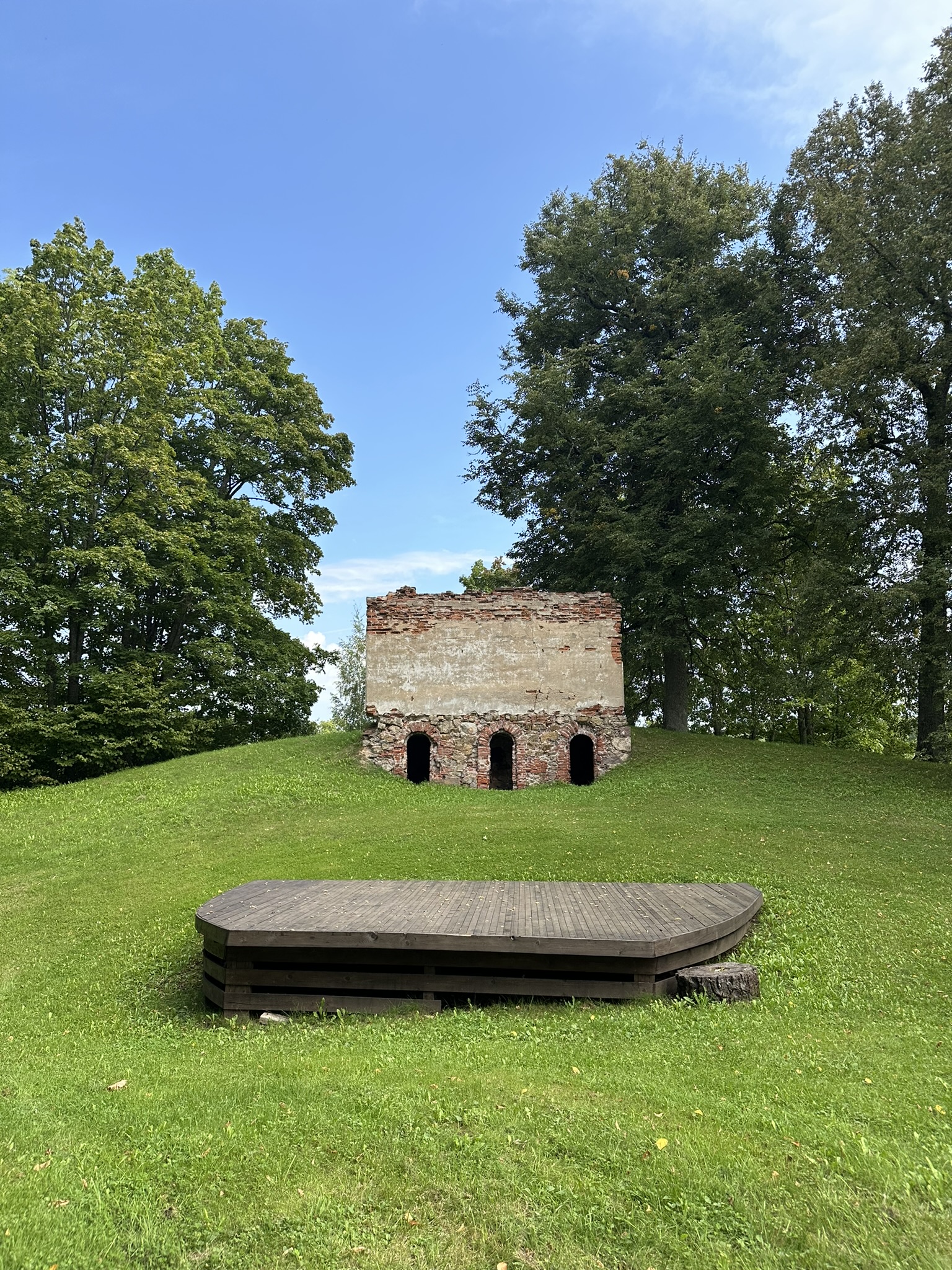
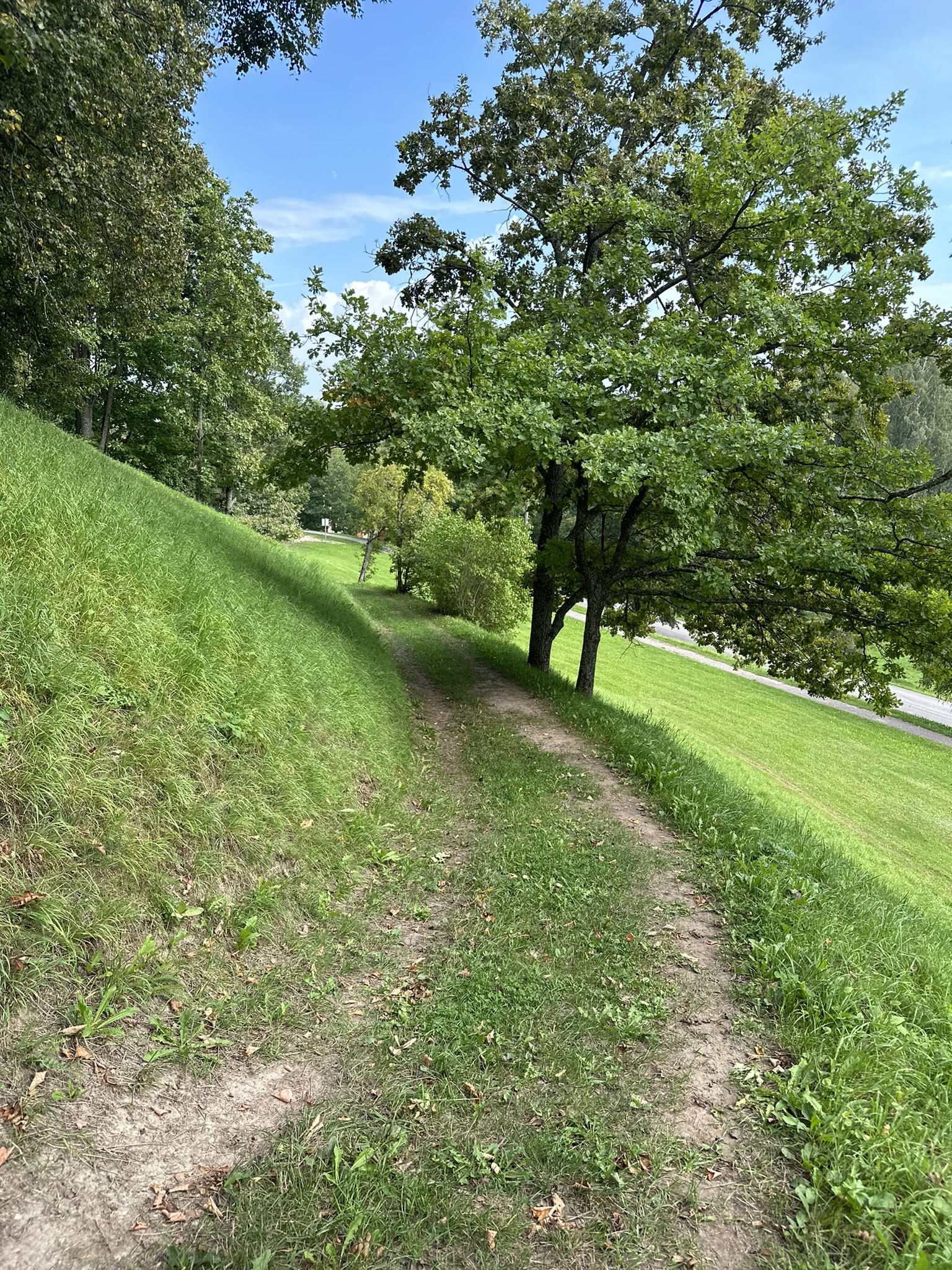
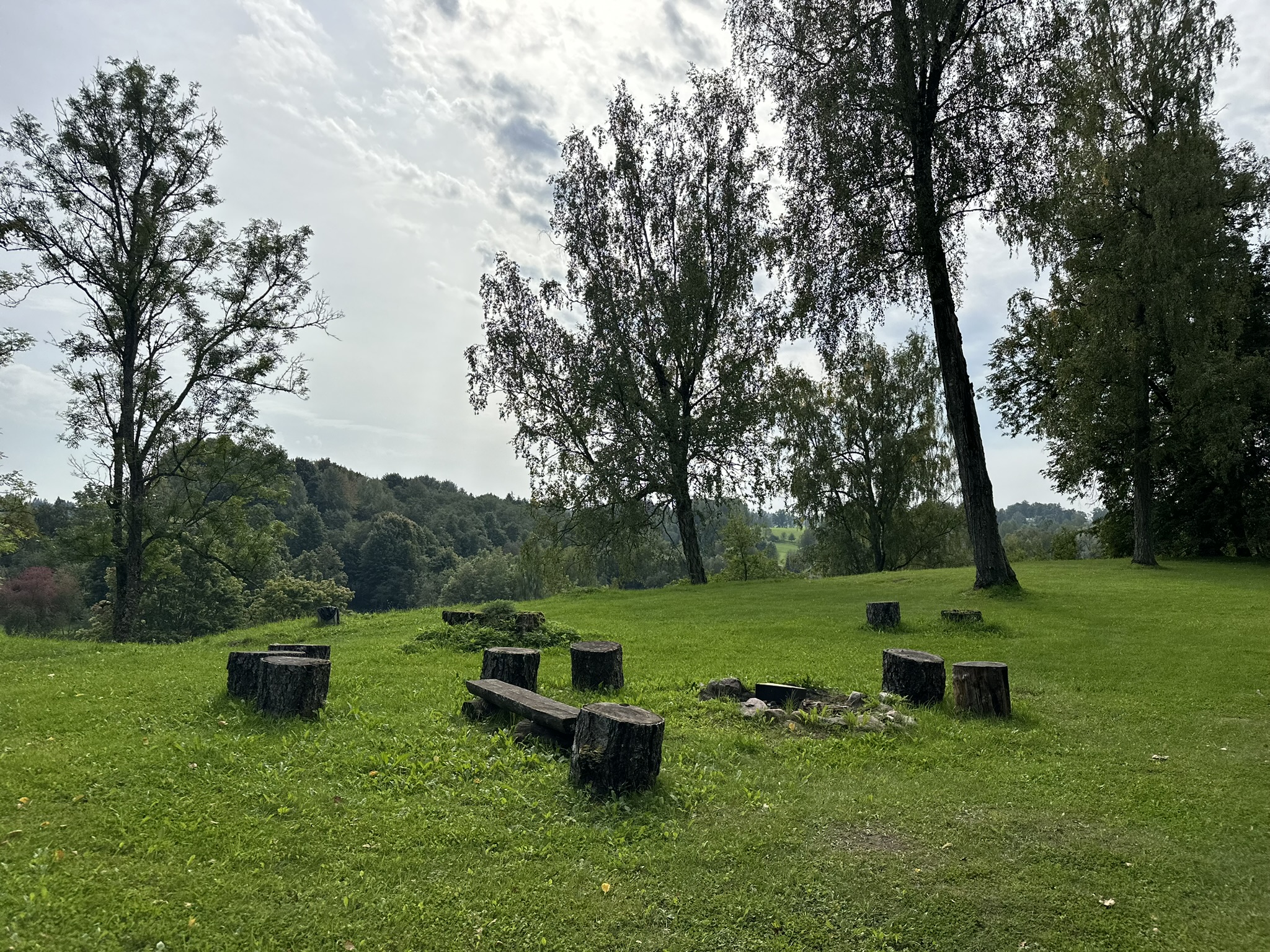
- The 100 metre long and 30 metre wide surface has been levelled, with steepened sides. At the north-eastern end of the hill, there is a 3-metre-high rampart, and on the south-western slope – a rampart about half a metre high. A terrace of about 25 metres in width has been created along the south-eastern edge.
- There is a small cave on the slope facing the river.
- Nowadays, Tanīsa Hillfort is a state-protected archaeological monument.
More information is available on the Rauna Castle Tourism Audio Guide website: pils.rauna.lv
Address
"Tanīsa pilskalns", Cēsu iela, Rauna