

Drusti Museum
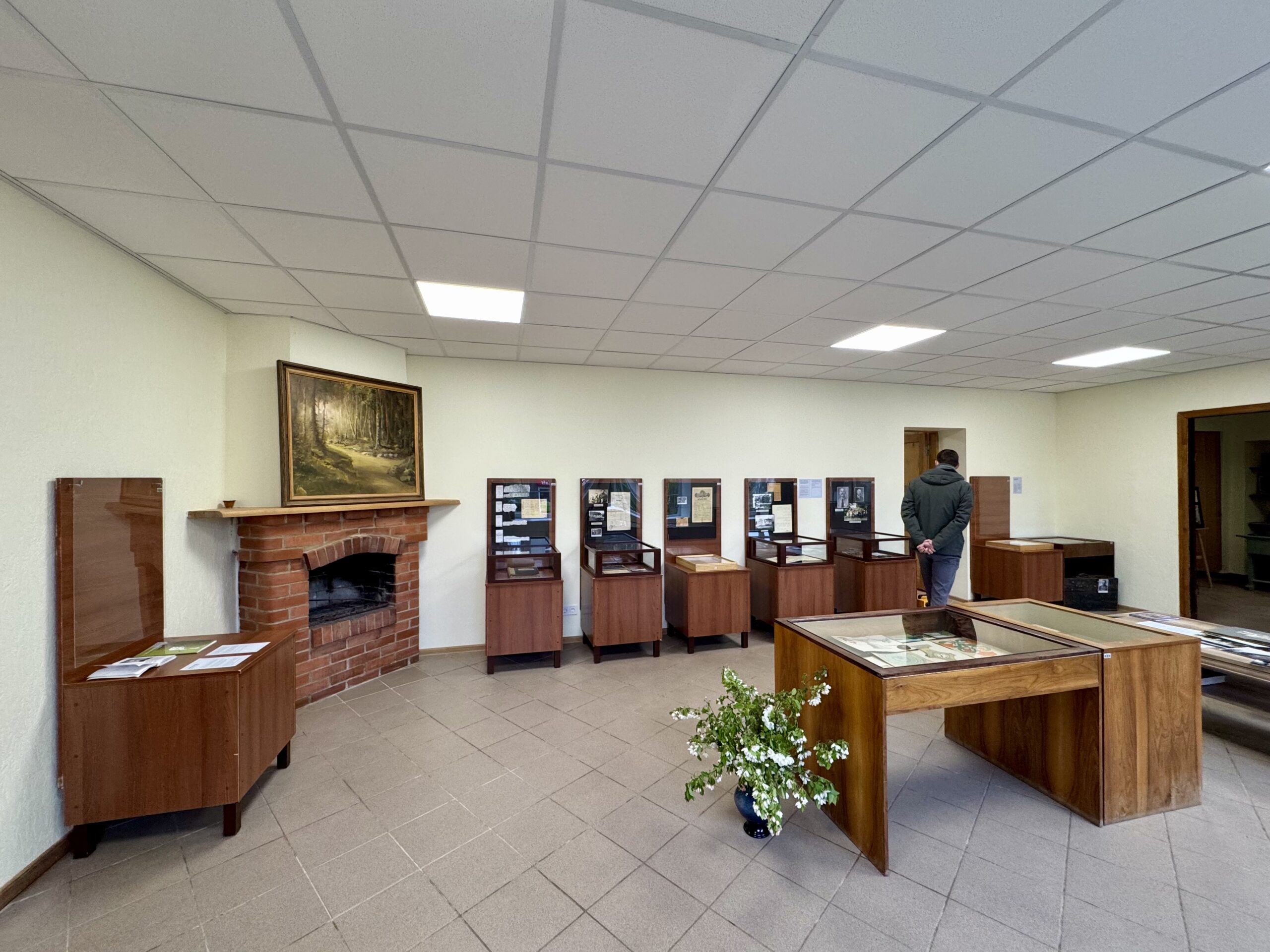
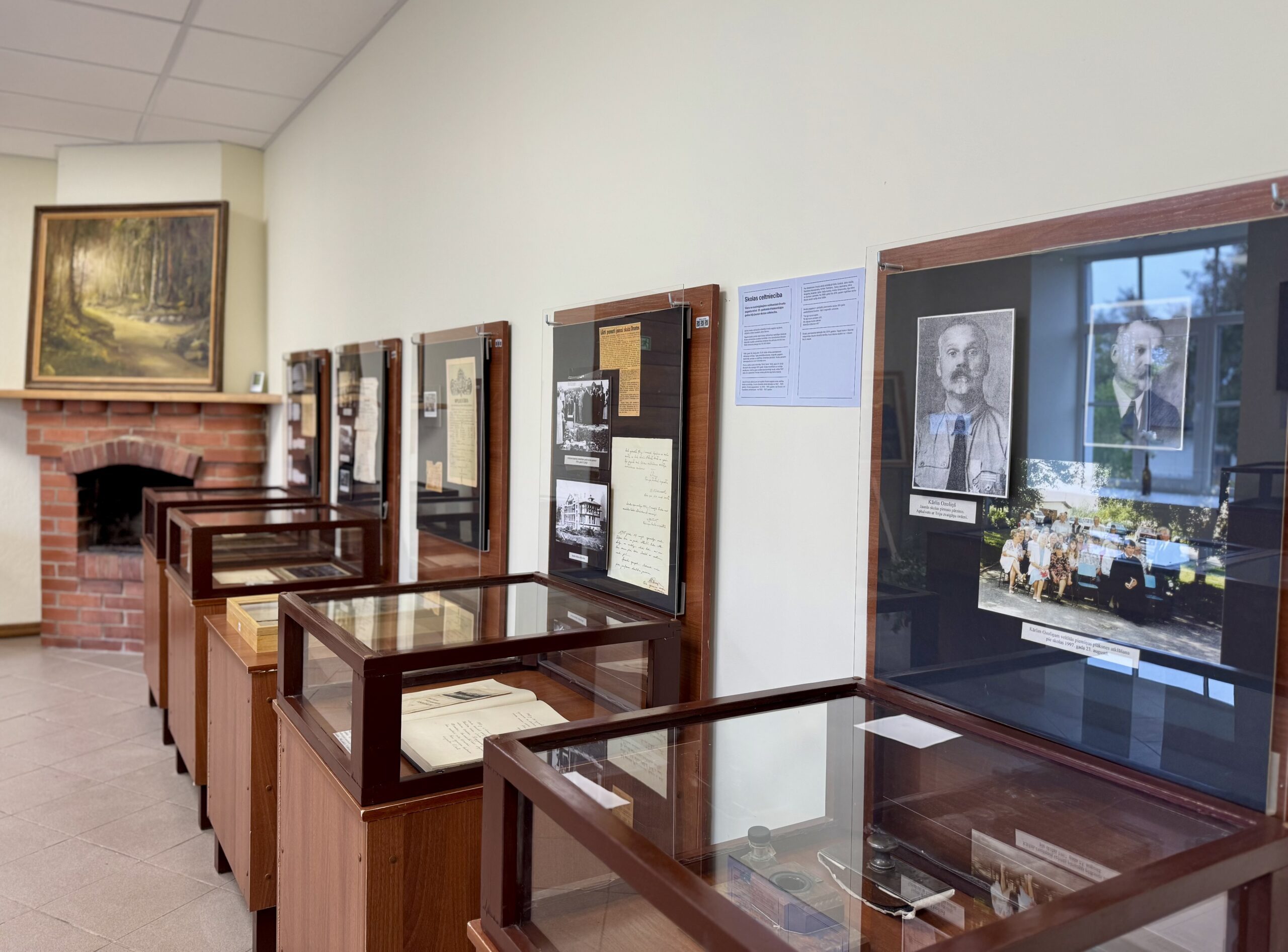
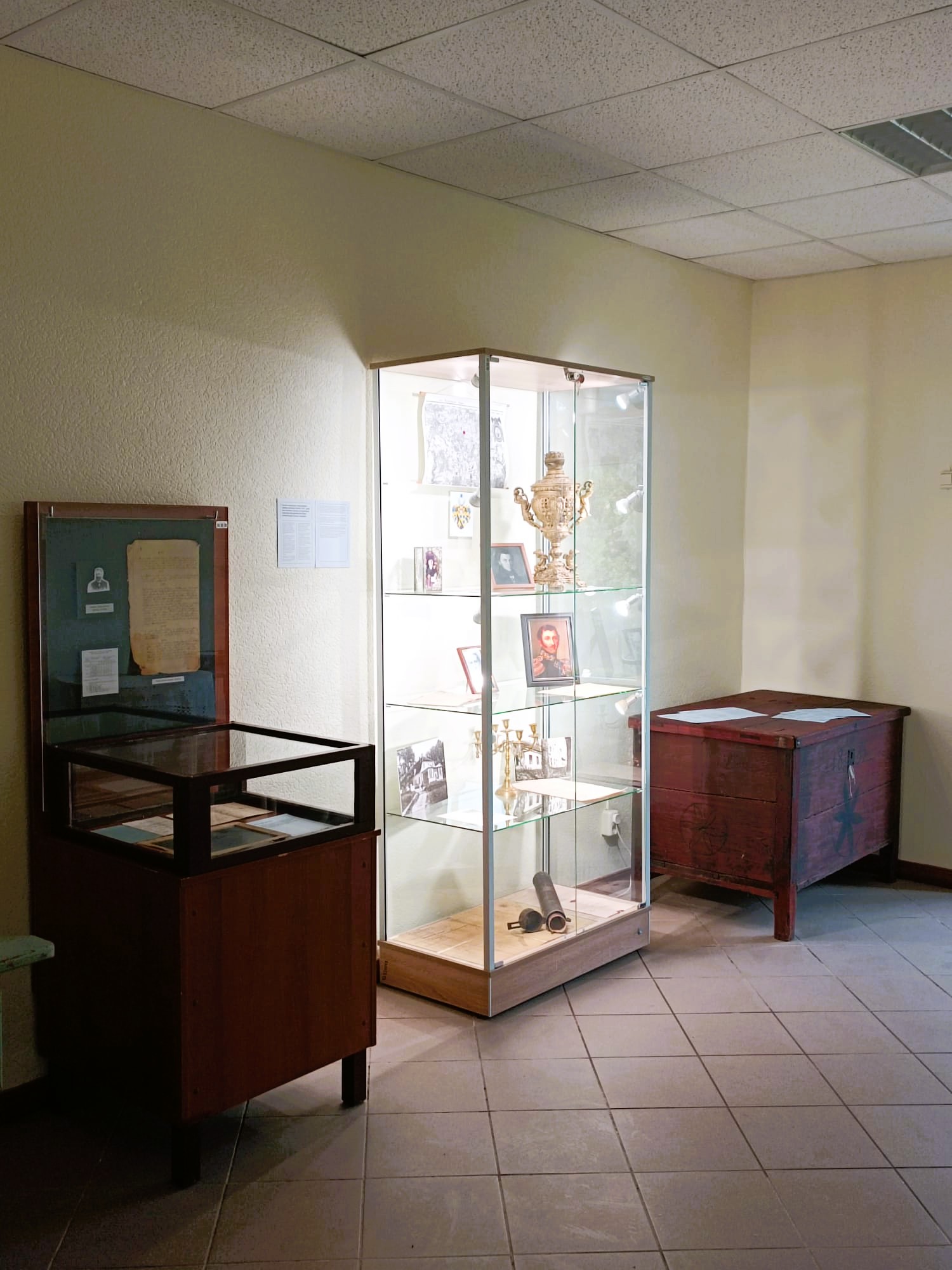
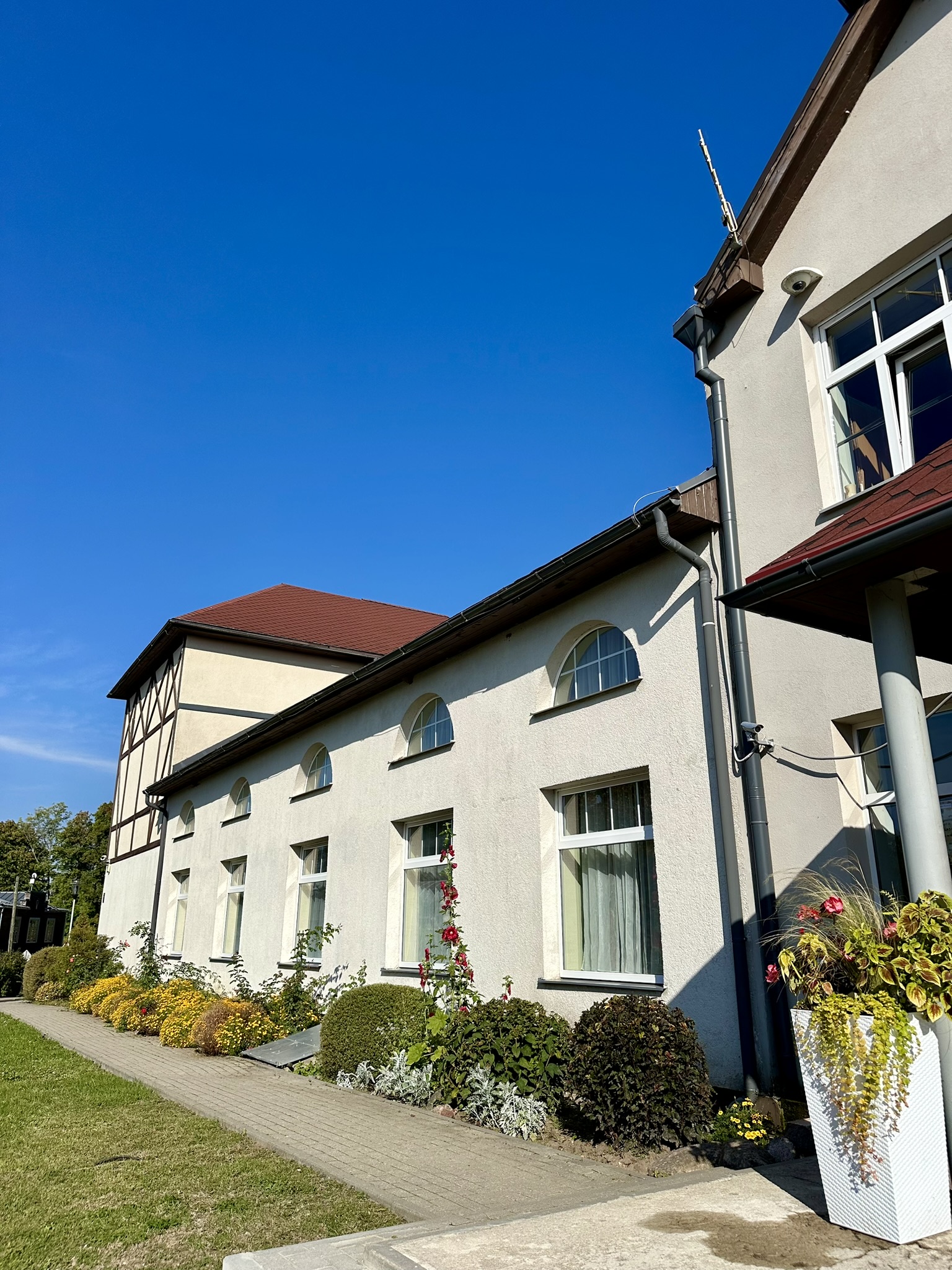
The origins of Drusti Museum are linked to the work of Jānis Arājs, a literature teacher and historian at Drusti School, who researched the school’s history during the 1970s-1980s. The museum is housed in the Drusti People’s House, located at 11 Palsas Street, a building with 100 years of history.
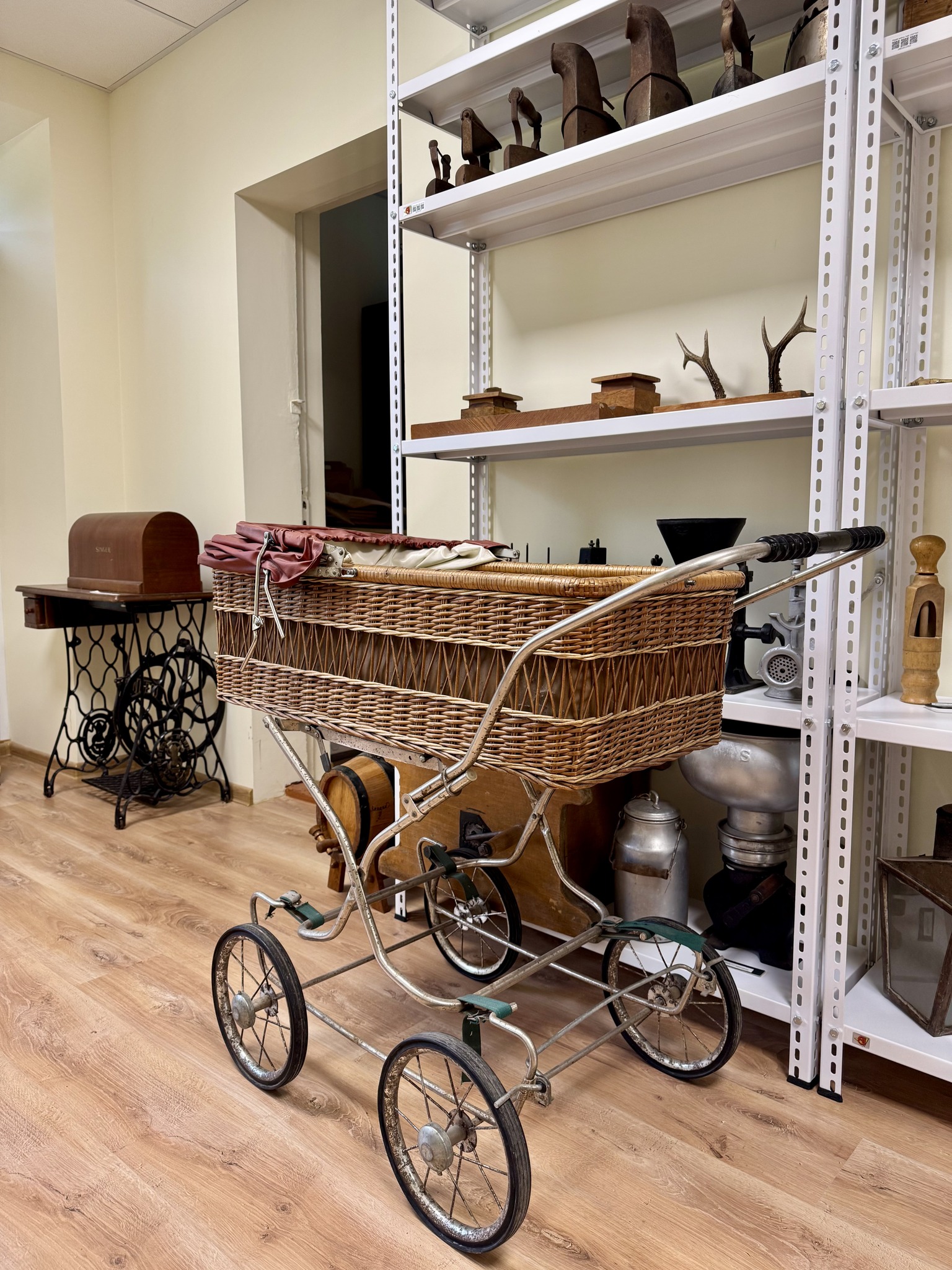
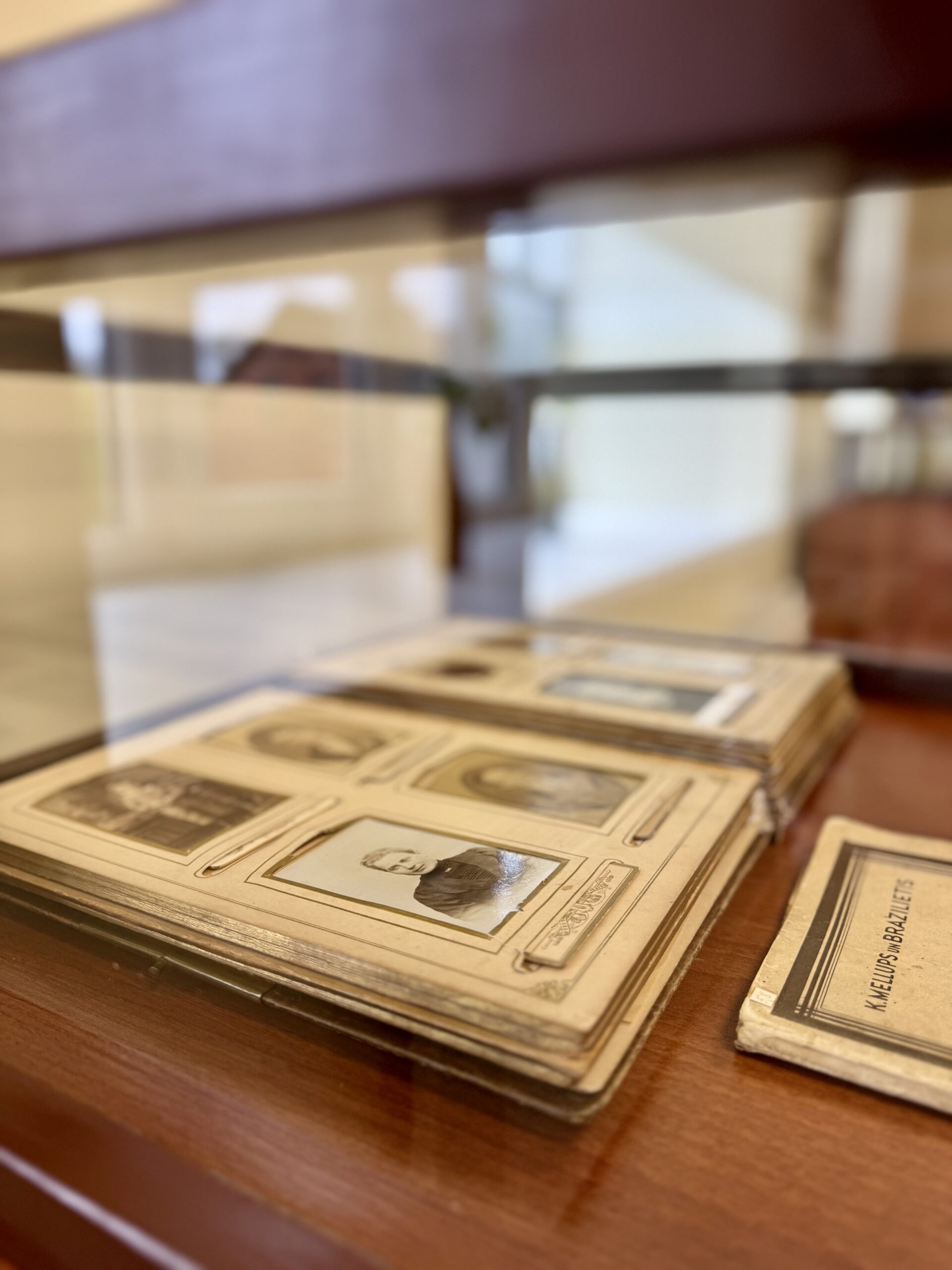
Across the museum’s three permanent exhibitions, visitors can:
- Explore the historical heritage of Drusti Rural Territory, including traditional tools and household items;
- Learn about the lives of notable residents of Drusti;
- Study the history of Drusti School and Drusti Manor;
- Discover the stories and destinies of the notable Baltic German Hagemeister family during the 18th and 19th centuries.
Guided tours can be arranged, both for the museum exhibitions, and separately for the surrounding Drusti area.
Museum price list available here.
Drusti and the surrounding area
The picturesque landscape around Drusti has captivated people for centuries. The earliest evidence of settlement indicates that the Drusti area was already inhabited in the 2nd millennium BCE. Evidence of lake castles has been found in Lake Dūķi and Lake Auļukalns, while finds in ancient burial grounds confirm that Baltic Finnic tribes lived here in the 3rd-4th centuries, and ancient Latgalian tribes in the 8th-11th centuries.
The name Drusti is first mentioned in written sources in 1262, when the territory of today’s Drusti Rural Territory and Dzērbene Rural Territory was included in Rauna District of the Archbishopric of Riga.
The later history of Drusti was shaped by various political powers and by the surrounding manors as economic structures, such as Vecdrusti Manor, Jaundrusti Manor, Auļukalns Manor, Gatarta Manor, and Briņģi Manor.
Drusti experienced an economic and spiritual uplift at the turn of the 19th and 20th centuries, and again during the years of Latvian independence in the 1920s and 1930s; however, the Second World War and the ideology of the victors that followed changed the fate of the Drusti area and its people for 50 years. During the Latvian National Awakening period in the late 1980s, residents of Drusti were among the most active fighters for the restoration of Latvia’s independence. In the years of renewed independence, emphasis was placed on highlighting the area’s scenic landscape, as well as on school and cultural activities in the rural territory and nearby region.
Drusti People’s House
The history of the Drusti People’s House began more than 100 years ago, in the 1920s, when the people of Drusti Rural Territory were active and deeply interested in culture and educational activities. The Drusti Hospitality Society operated here; in 1924, it purchased the old manor tavern from the State Land Fund and rebuilt it into the Hospitality Society’s house. This was made possible by using the income made from the amateur evening events that were organised. Already in 1925, the Drusti community had a building with a spacious stage and a hall for 500 spectators, and for the past 100 years, people have danced, sung, played music and theatre, celebrated, and gathered here for events important to the rural territory.
Today, the Drusti People’s House is not only home to events but also to the Drusti Rural Territory Administration, Drusti Museum, and Drusti Library.
Mon closed
Tue 10:00-19:00
Wed 10:00-18:00
Thu 10:00-18:00
Fri 9:00-16:00
Sat closed
Sun. closed