

7 places. 7 stories. One Smiltene Municipality – discover the stories of the region
As Latvia’s national celebrations approach, Smiltene Municipality’s tourism communication channels will launch a seven-week story series, “7 Places. 7 Stories. One Smiltene Municipality”, inviting people to discover seven places across the municipality that preserve our history, people’s memories and stories.
Over the course of seven weeks, the series will introduce the Smiltene Municipality Museum at Mēri Manor, the Jāzeps Vītols Memorial Museum “Anniņas” in Gaujiena,the exhibition hall of the Rauna Cultural Heritage Centre in Rauna,the Elīna Zālīte Memorial House in Ape,the Drusti Museum in Drusti, the Trapene Local History Centrein Trapene, andthe Vireši Parish local history exhibition “Mājvieta” in Vidaga.
At each location, one special story will be uncovered – about a person, an object, an event, or another piece of historical evidence.
The aim of the story series is to draw attention to places that are less frequently featured in everyday tourism communication and to present them as engaging destinations during the autumn and winter seasons as well.
The history of our municipality is not only what can be read in history books. It is preserved in people’s memories, old photographs, objects and places that are still here around us. Through this series, we want to bring these stories into the spotlight and encourage people to discover them in person.
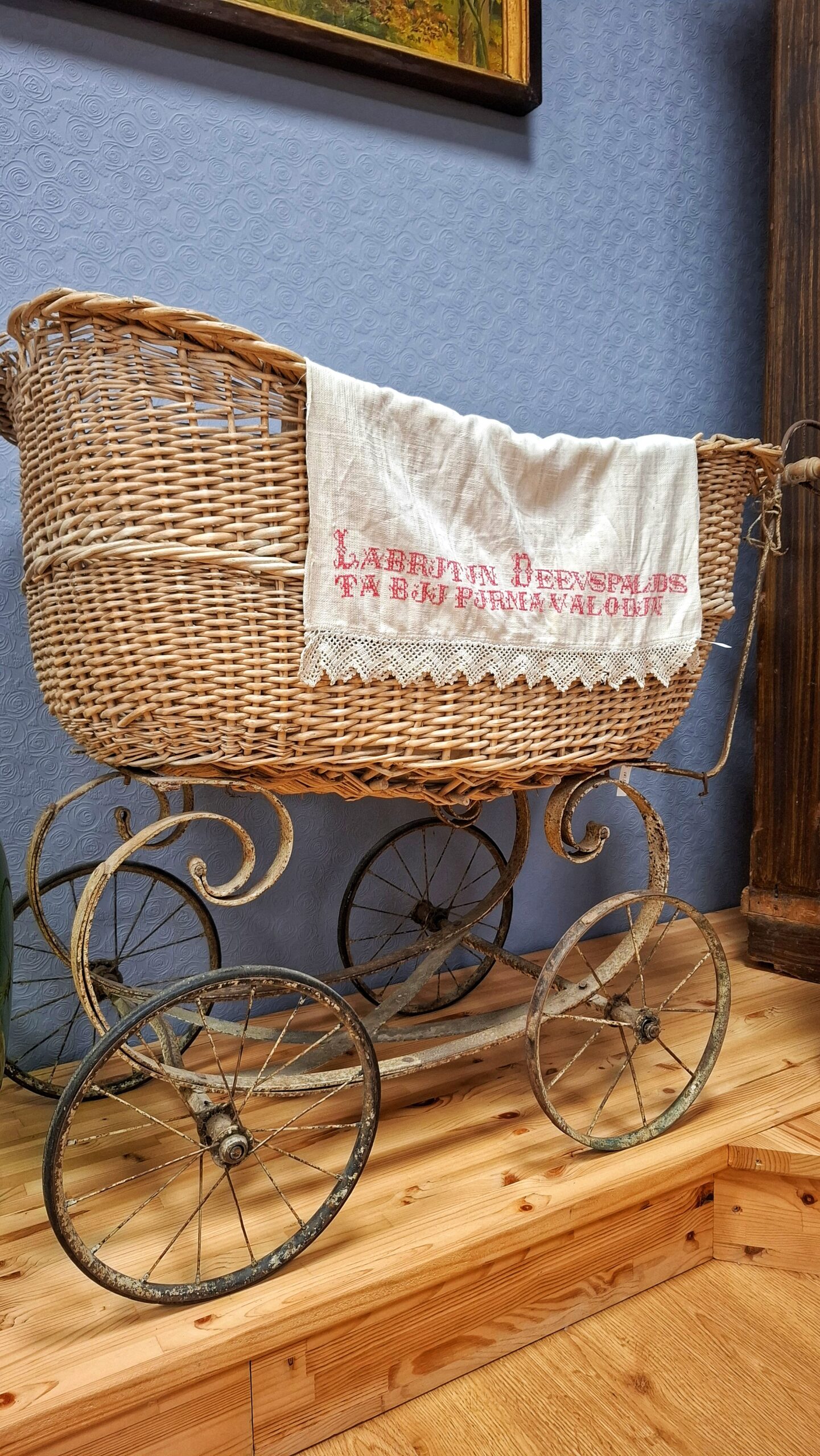
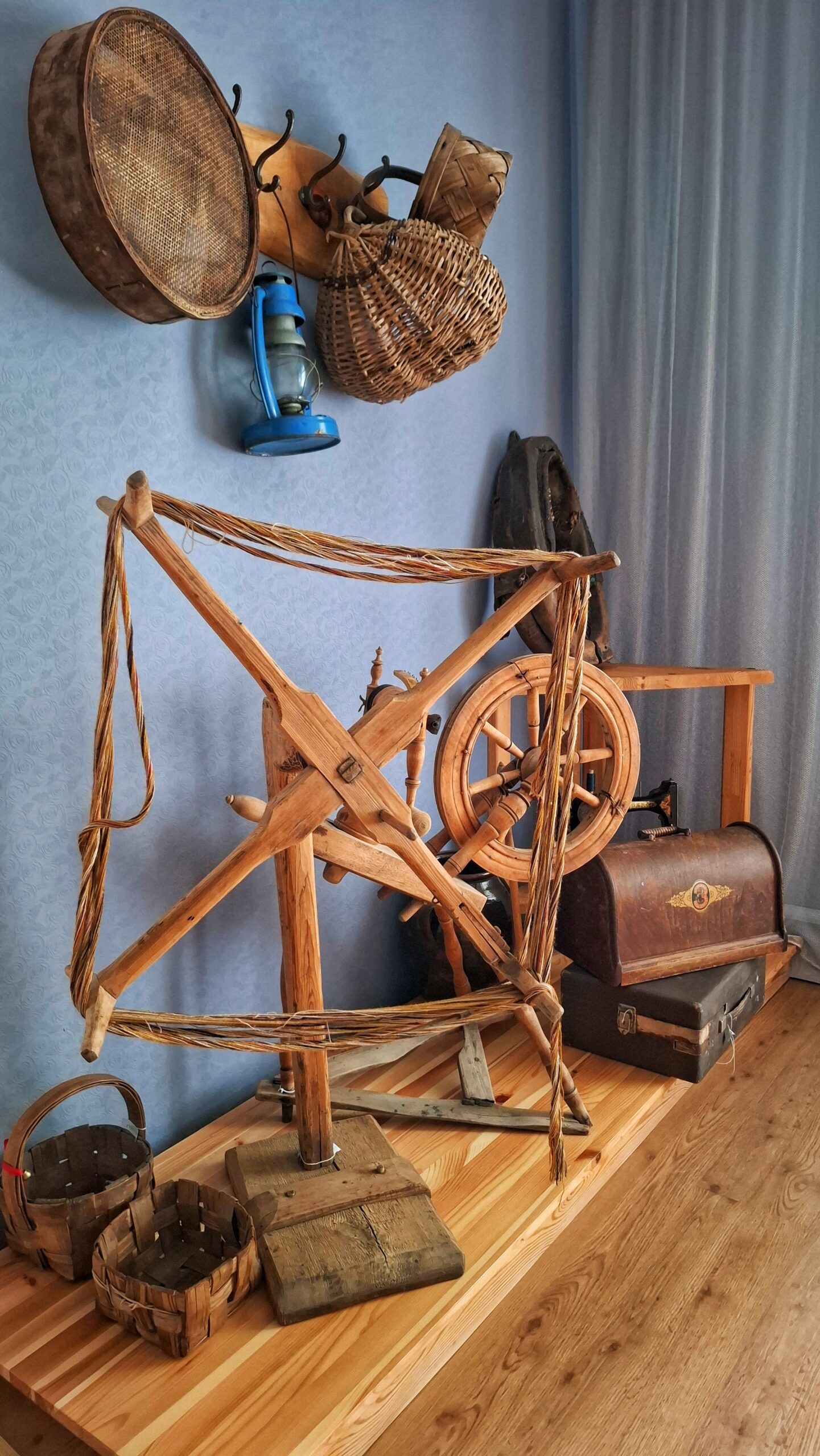
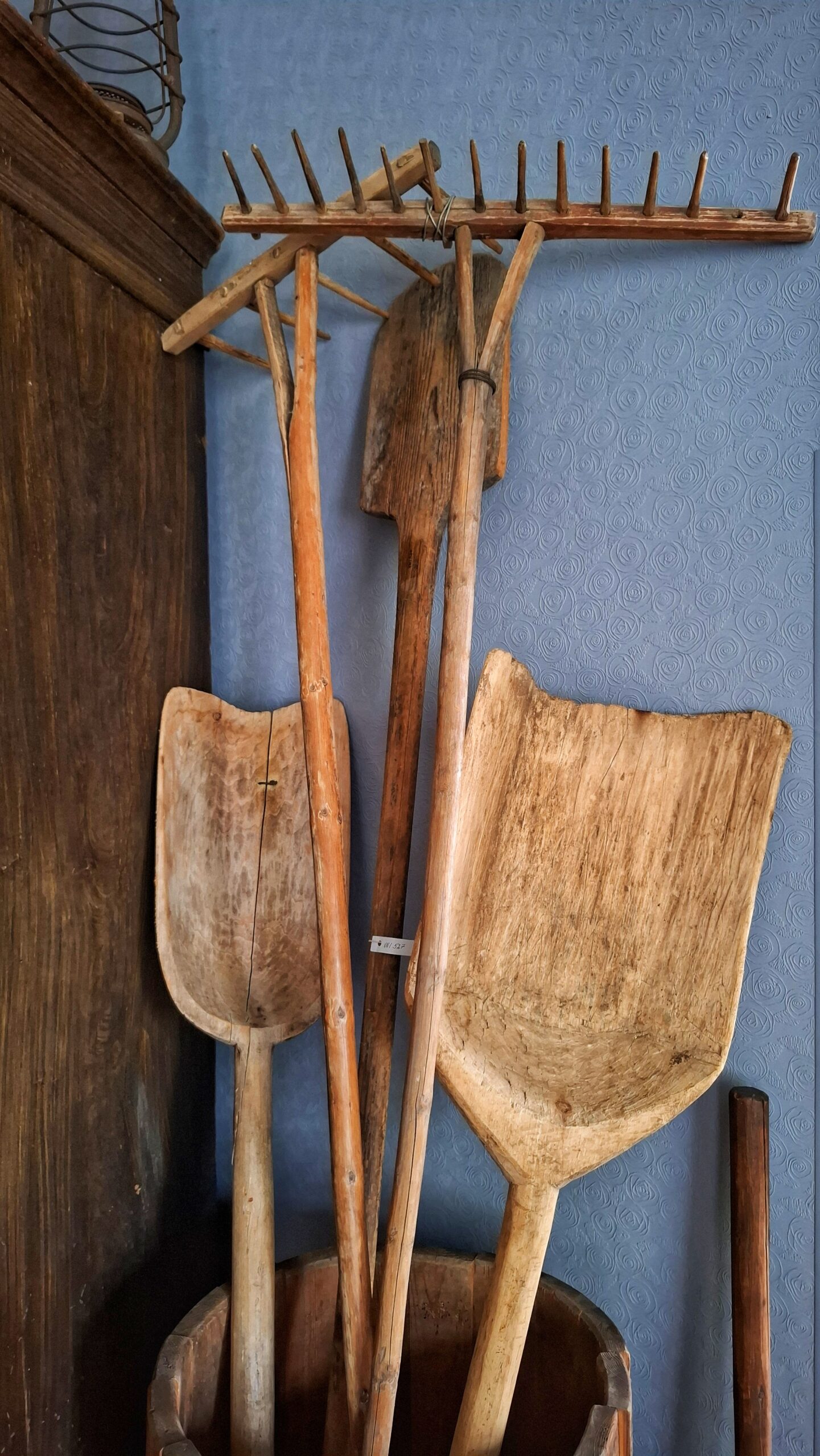
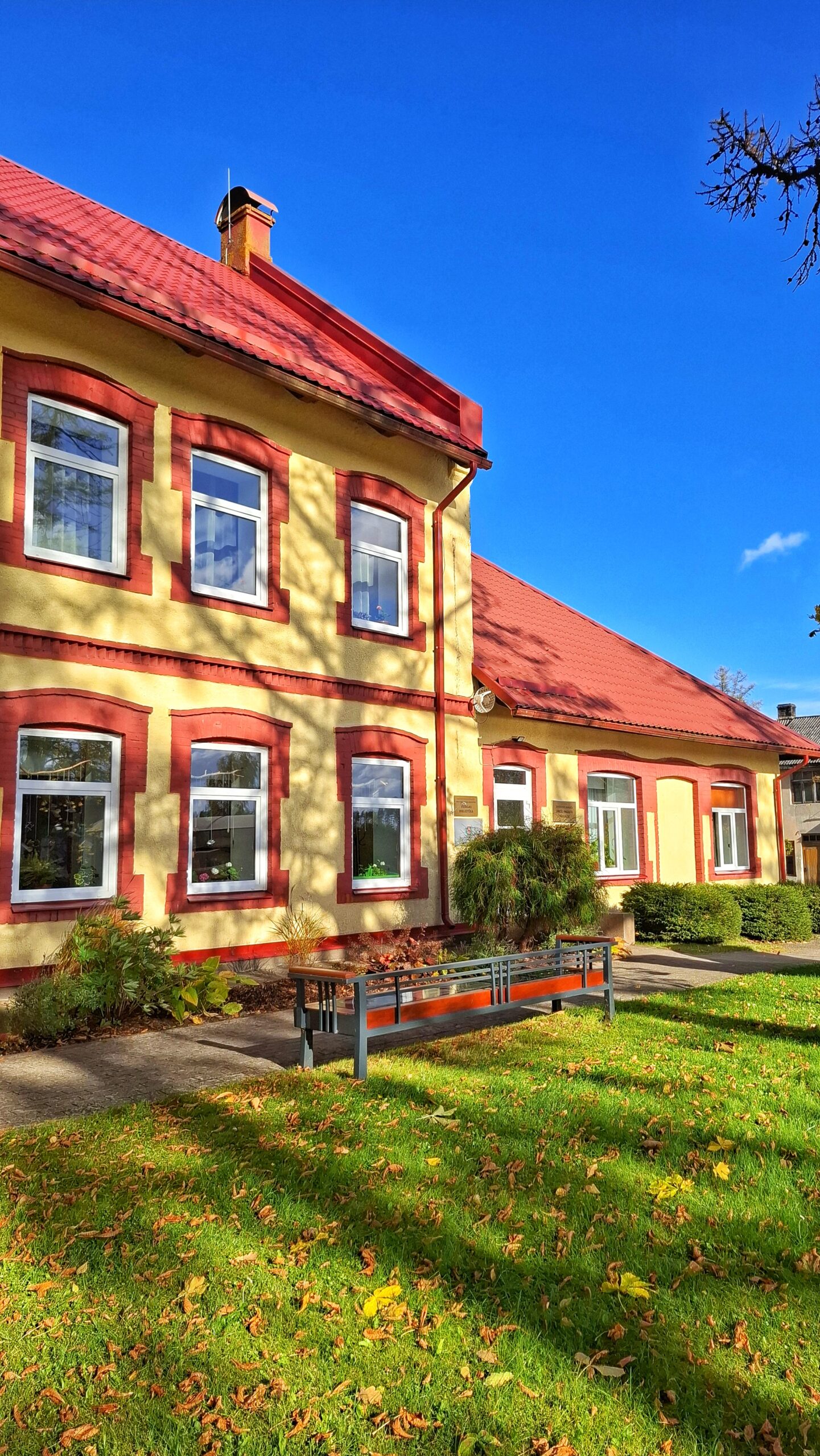
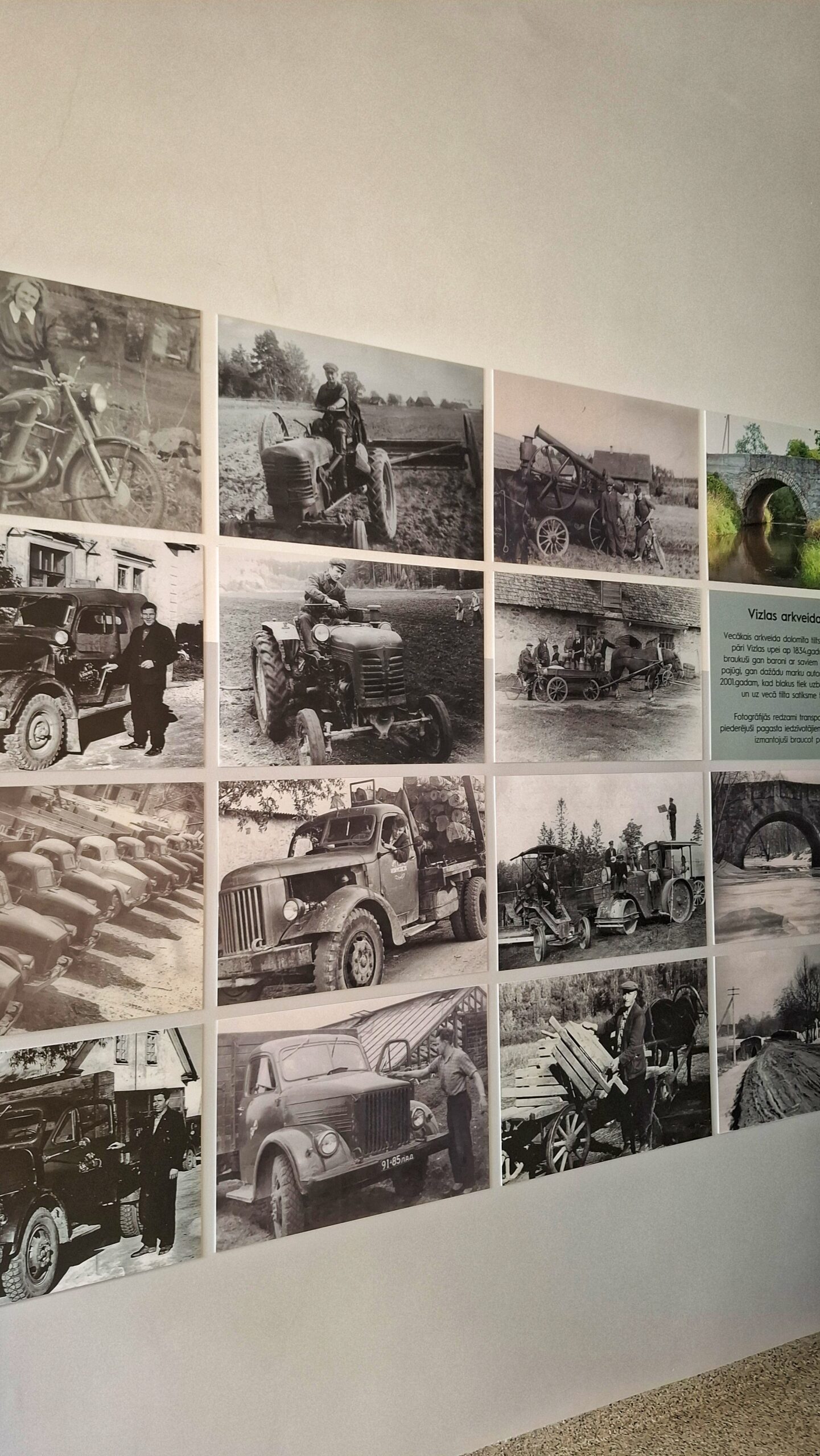
The first story will take us to the Vireši Parish local history exhibition “Mājvieta” in Vidaga. Mills and a cardboard factory once played an important role in the history of this area, as did the timber rafters of the Gauja River. In earlier times, cardboard was transported by barge along the Gauja River to the Gulf of Riga, and stories from that era still live on in the memories of local people today.
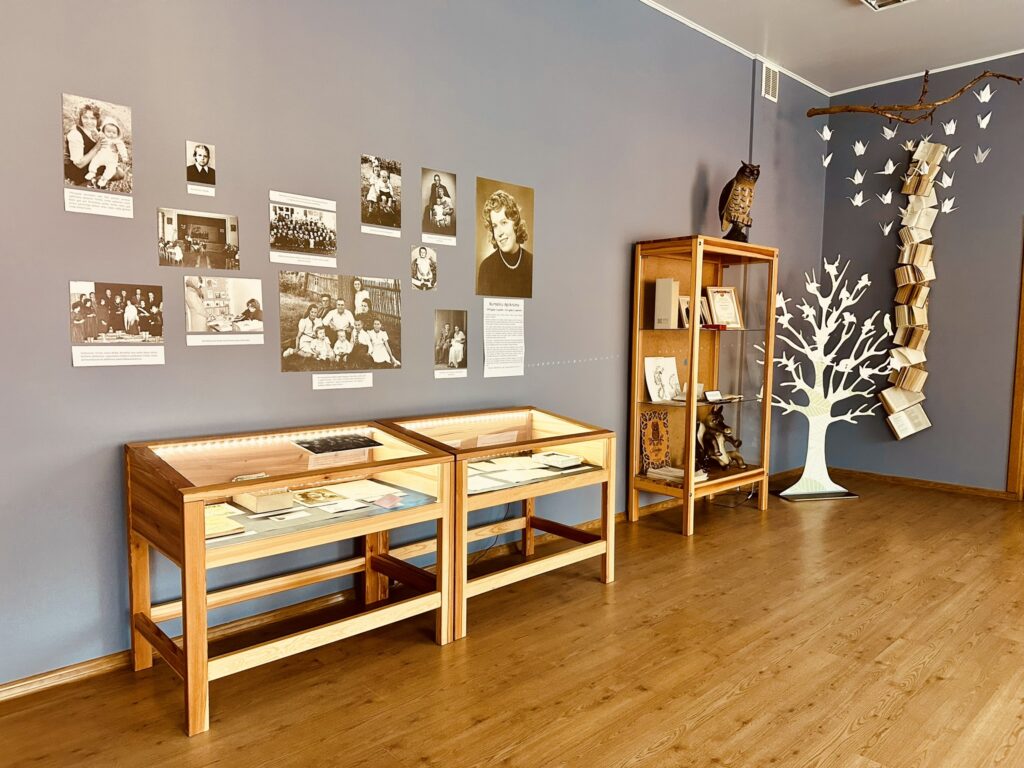
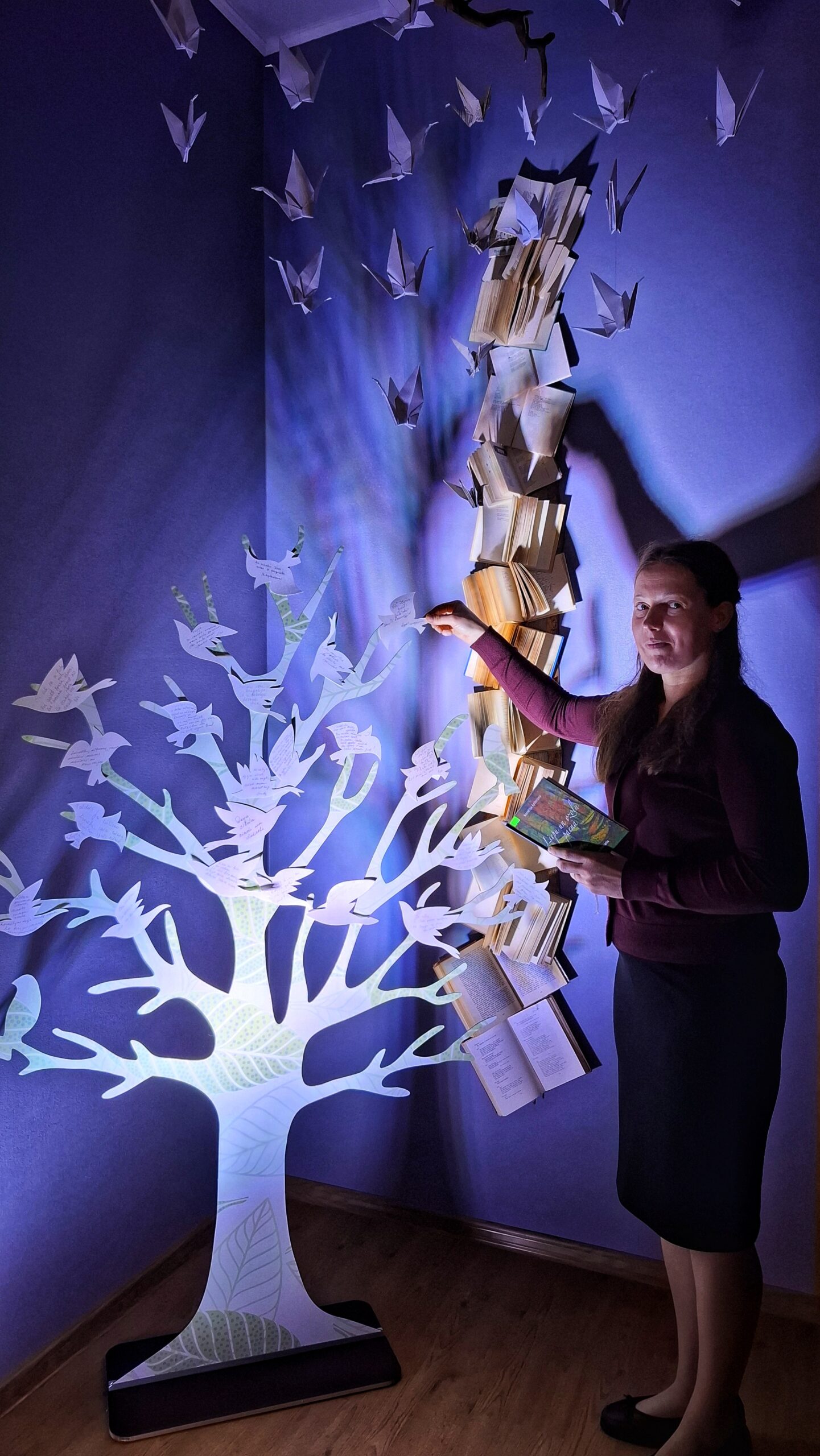
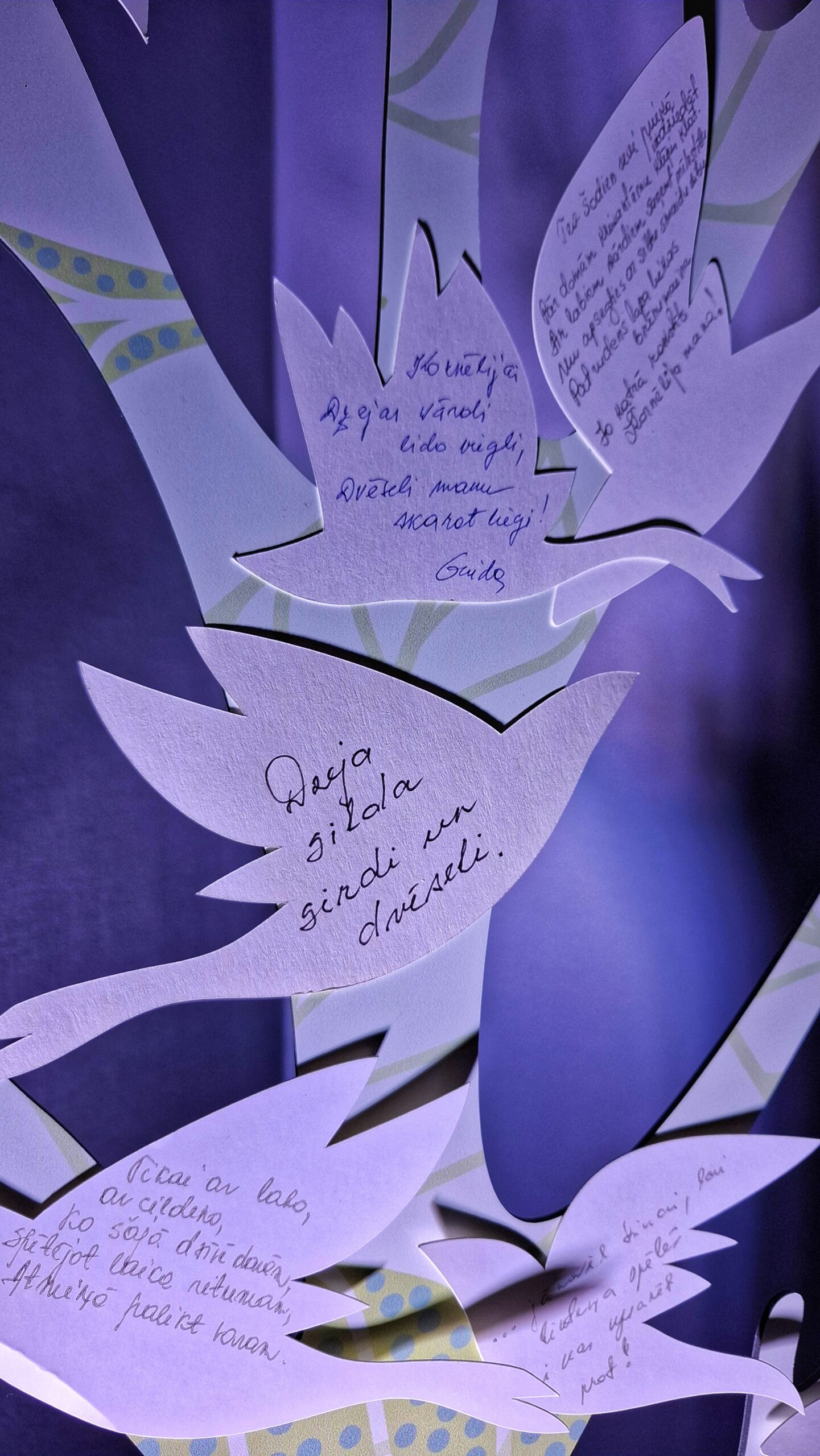
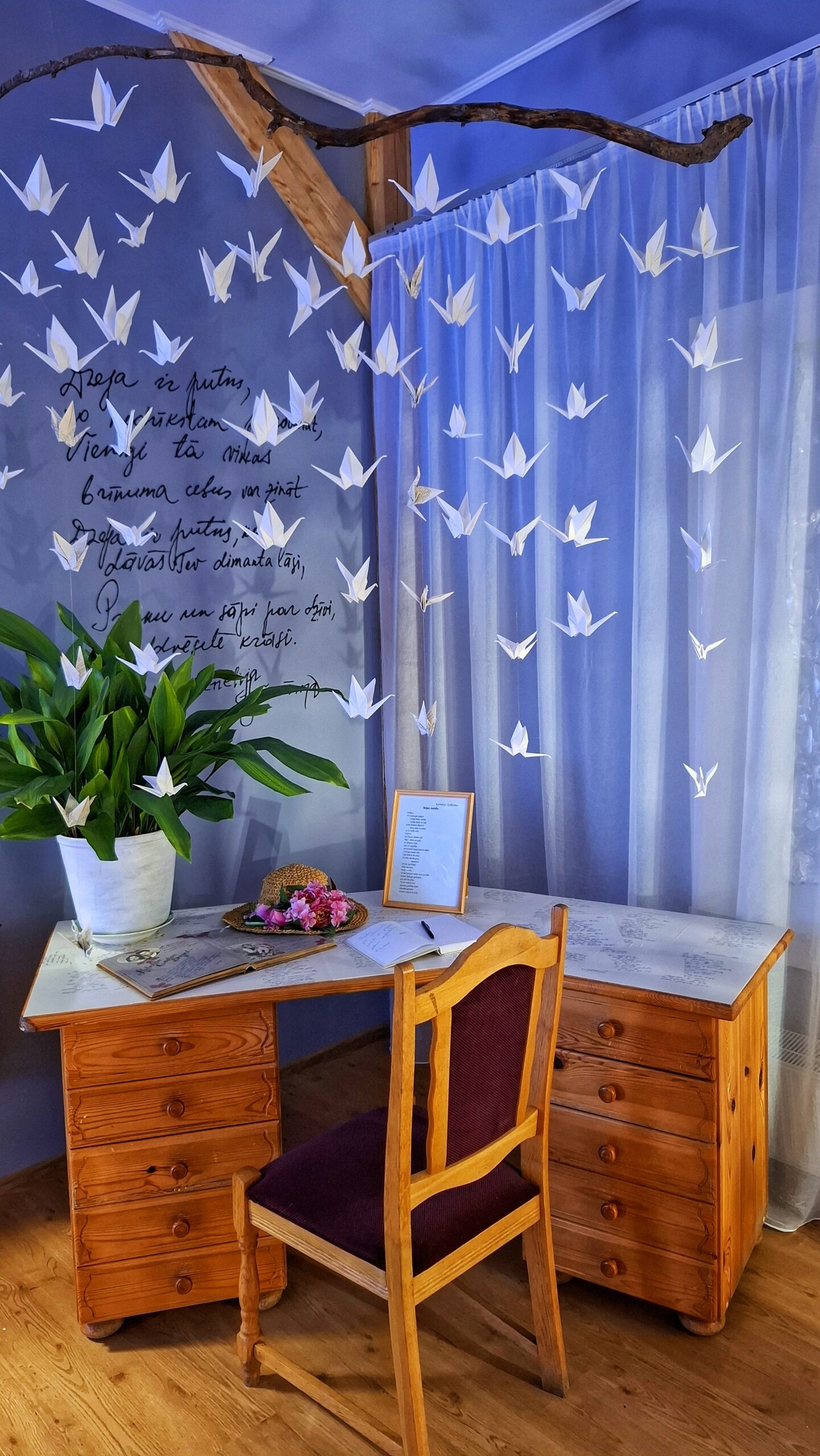
“Mājvieta” also offers something truly unusual – an exhibition designed to be explored in the dark. It is dedicated to the much-loved poet Kornēlija Apškrūma, whose entire life was closely connected with the Vireši area.
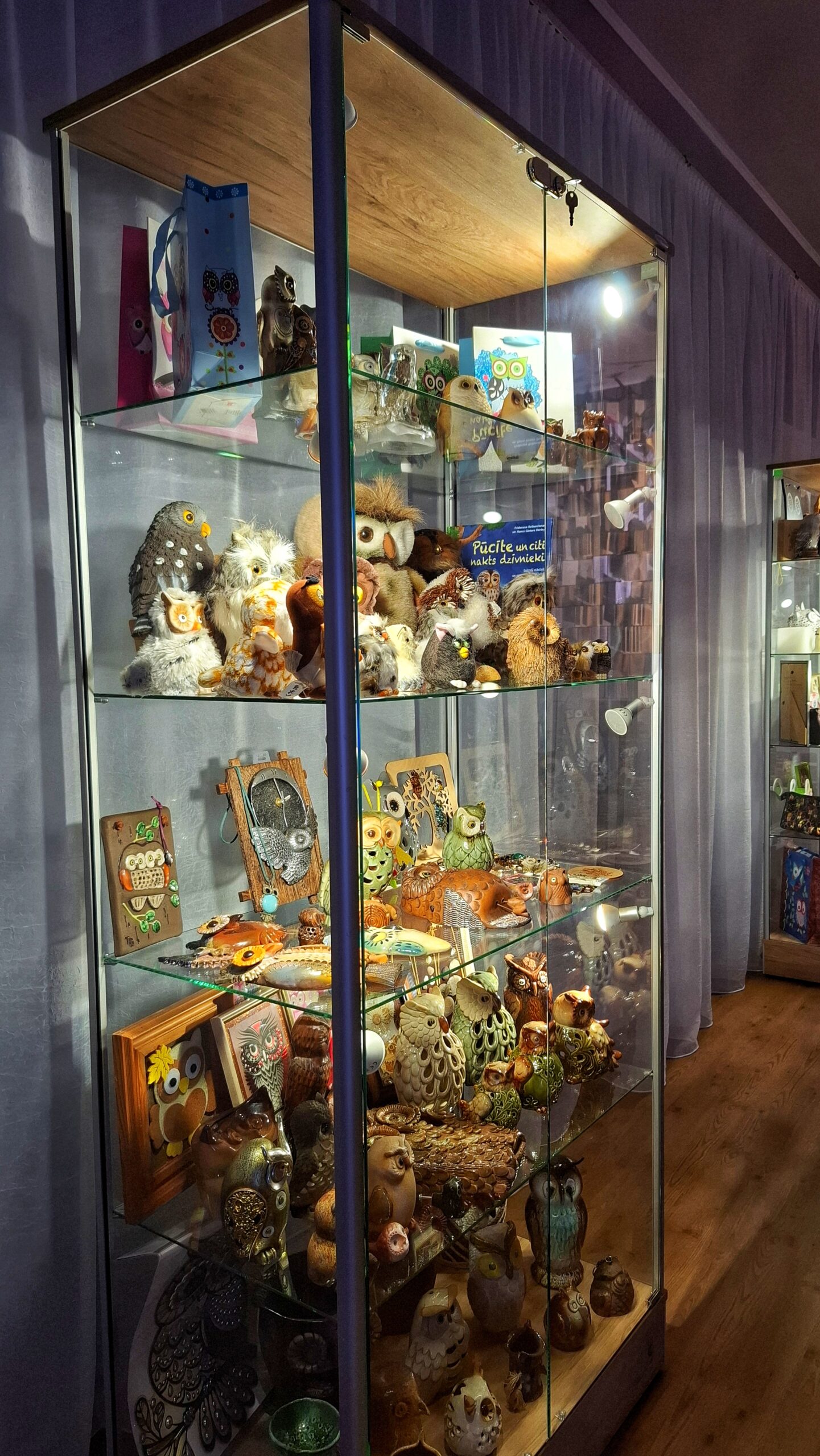
The poet often said that she wrote her poetry at night, which is why the exhibition dedicated to her has been created with a distinctive nocturnal atmosphere – amid darkness, light and shadows. Visitors can also see Kornēlija Apškrūma’s collection of owl figurines.
Prepared by: Līga Ozoliņa, Deputy Head of the Entrepreneurship and Tourism Department (Tourism Development) at Smiltene Municipality.