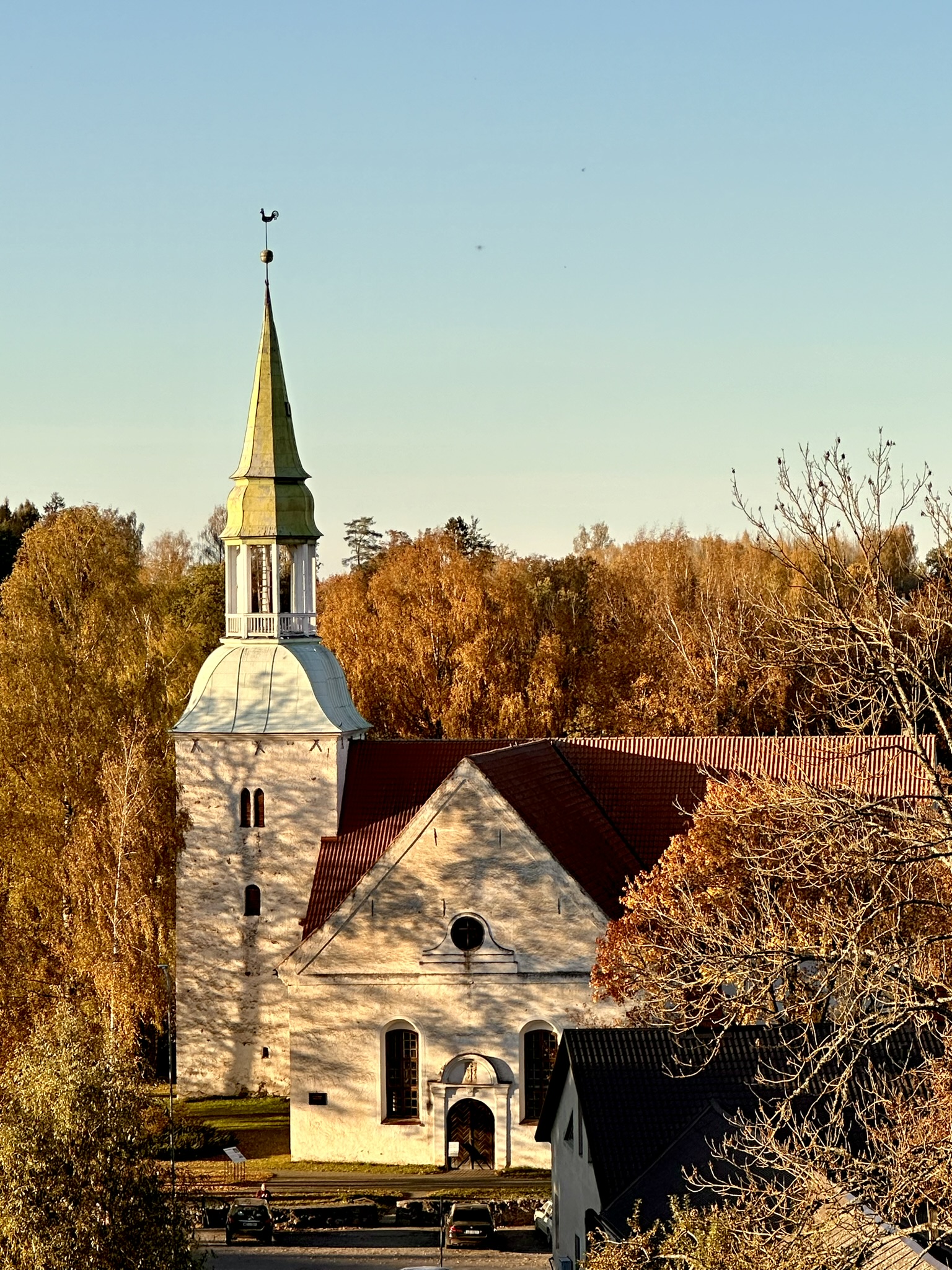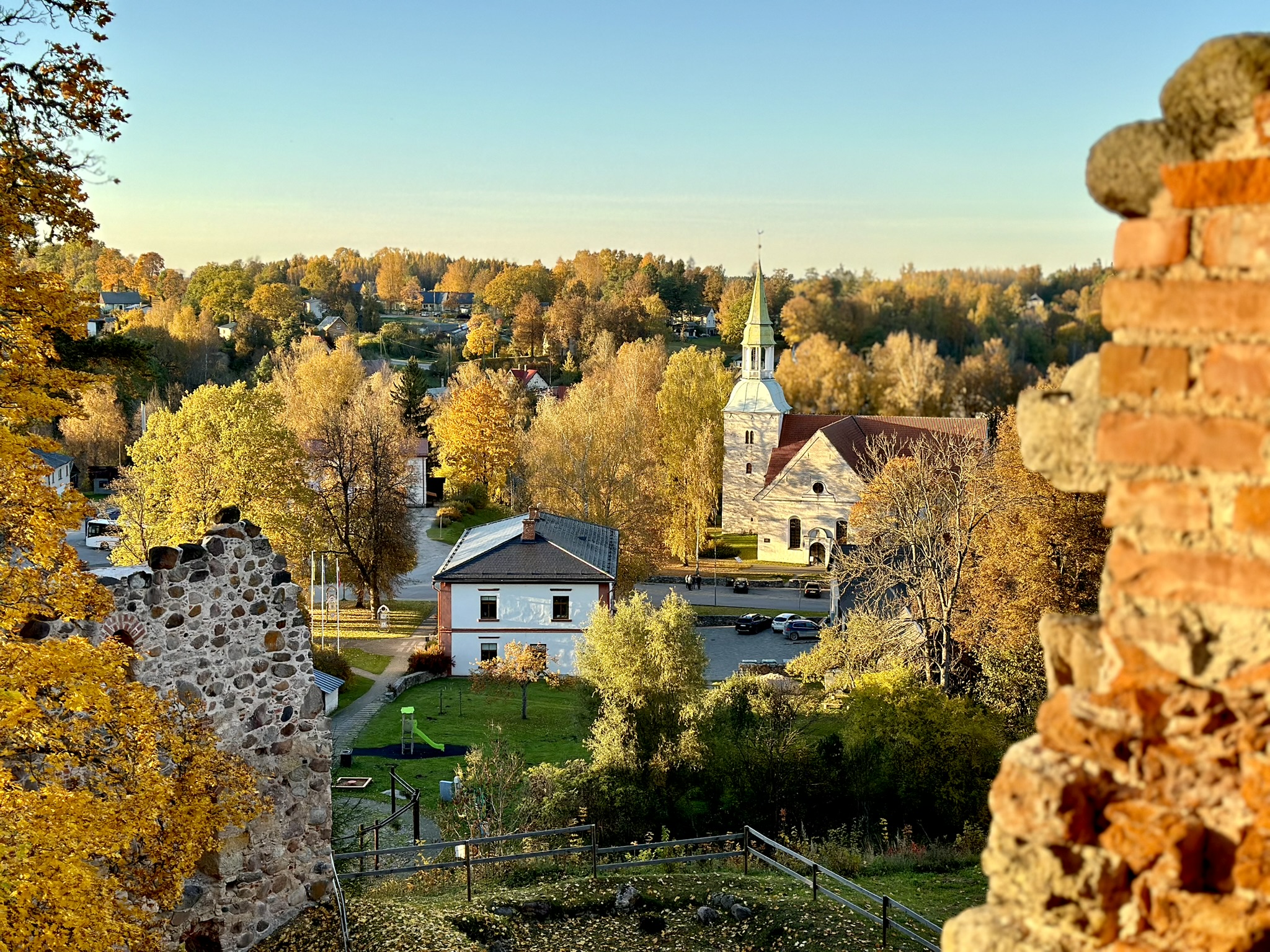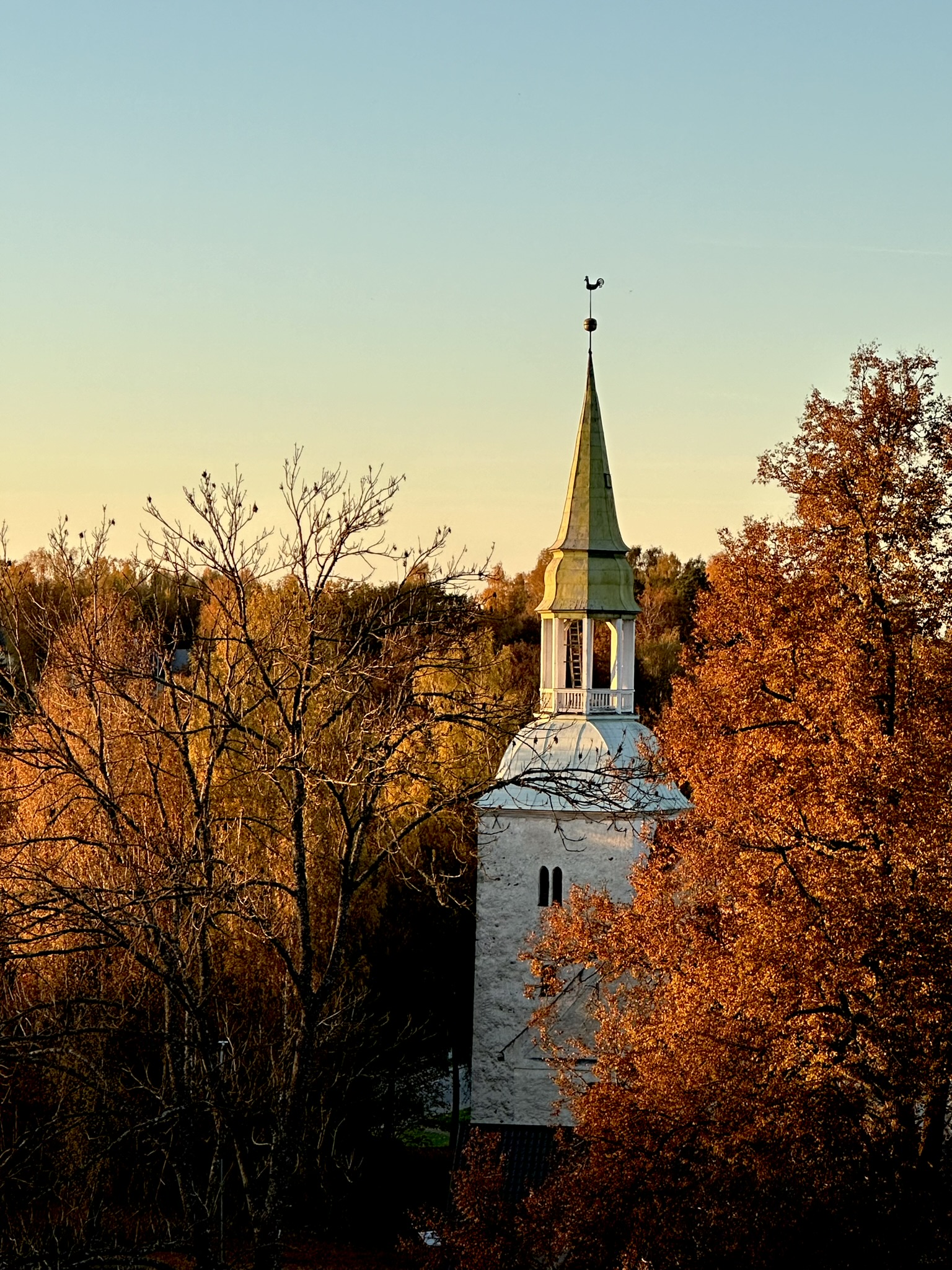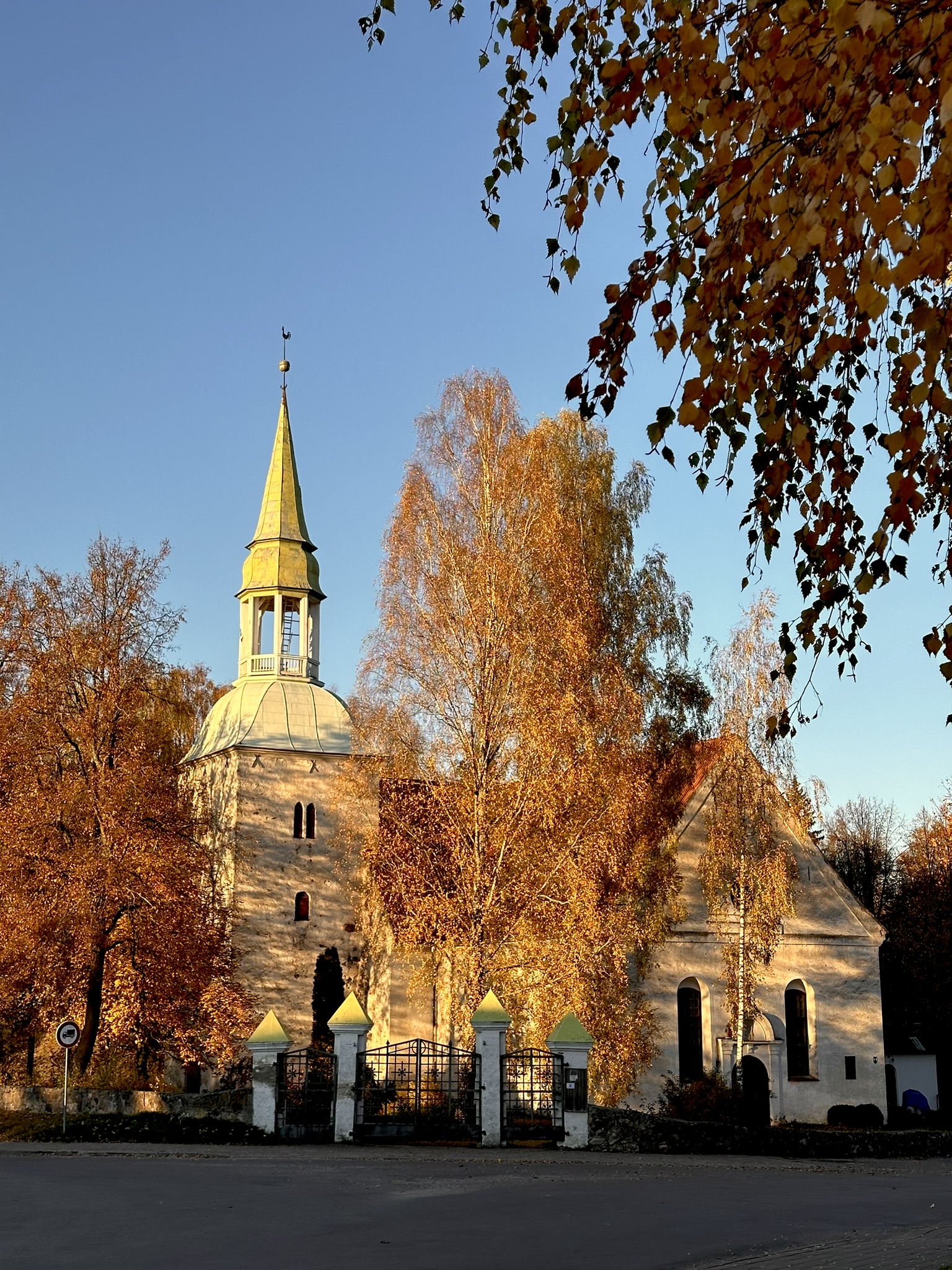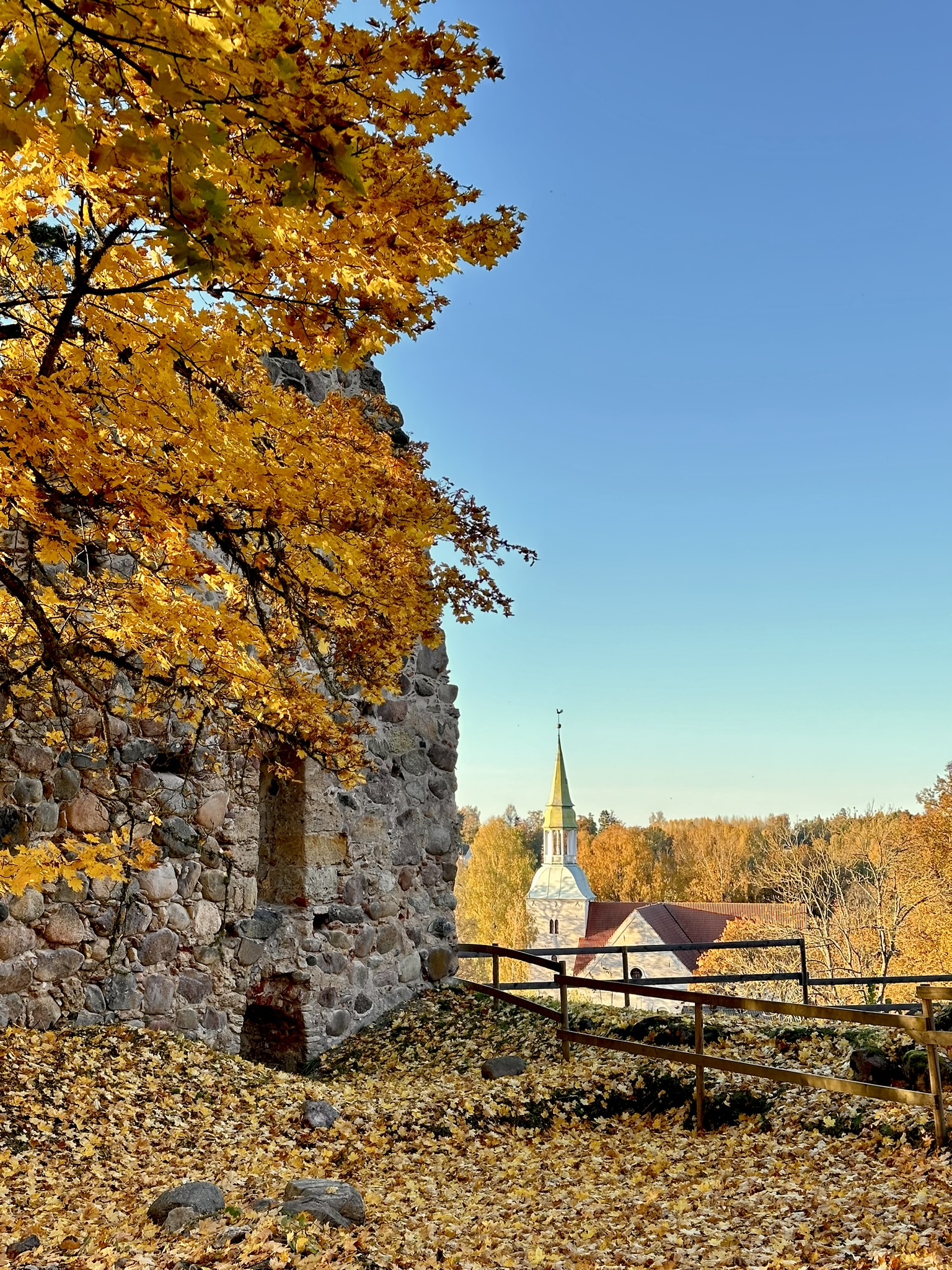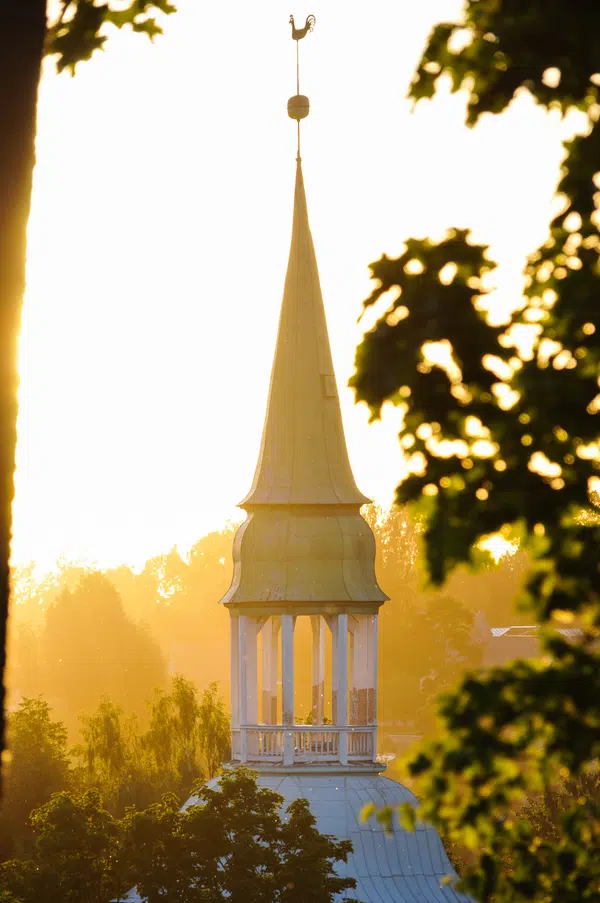


Rauna Evangelical Lutheran Church
The origins of Rauna Church date back to the 14th century. Over time, it has endured repeated destruction and reconstruction.
In 1577, Russian troops captured Rauna and destroyed the church. During the Polish-Swedish War, the rebuilt church was again devastated.
Historical sources note that in 1613, the church stood roofless, and by 1724, it was described as ruined.
In the second half of the 17th century, one of the first academically educated pastors in the region, Jānis Reiters, served here; he published the Lord’s Prayer in 40 languages and began translating the Bible into Latvian.
A plaque near the church commemorates members of the Moravian Brethren (Herrnhuters), who gained prominence in Rauna in the first half of the 18th century. Their activities played a significant role in shaping the spiritual culture and worldview of the peasantry.
From 1897 to 1918, the pastor of Rauna was Ādams Jende, known as the author of several educational publications and studies.
The most recent reconstruction took place in 1937 under the supervision of architect Pauls Kundziņš. During these works, ancient limestone reliefs were uncovered on the church façade – “Christ on the Cross” (13th–14th century, above the southern entrance) and “Adam and Eve” (16th century, above the tower entrance), both of which are unique monuments in Latvian art history. In the altar area, a typical 17th-century example of memorial stone sculpture was uncovered – the gravestone of the first Lutheran pastor, Georgs Grāve, featuring five medallions and inscriptions. During the reconstruction, the altar was unusually relocated to the southern side of the building. The south-north axis became dominant, as the northern wall was broken through to create an altar apse.
Inside the church, memorial plaques honour congregation members who fell in the First World War and during the battles for the liberation of Rauna.
Currently, the pastor of the Rauna Evangelical Lutheran congregation is Edijs Kalniņš. By prior arrangement, the pastor offers a 30-minute guided tour, introducing visitors to the church’s history and present-day life.
More information is available on the Rauna Castle Tourism Audio Guide website: pils.rauna.lv
10:00-20:00
Tours must be booked in advance!