

Randātu Cliffs
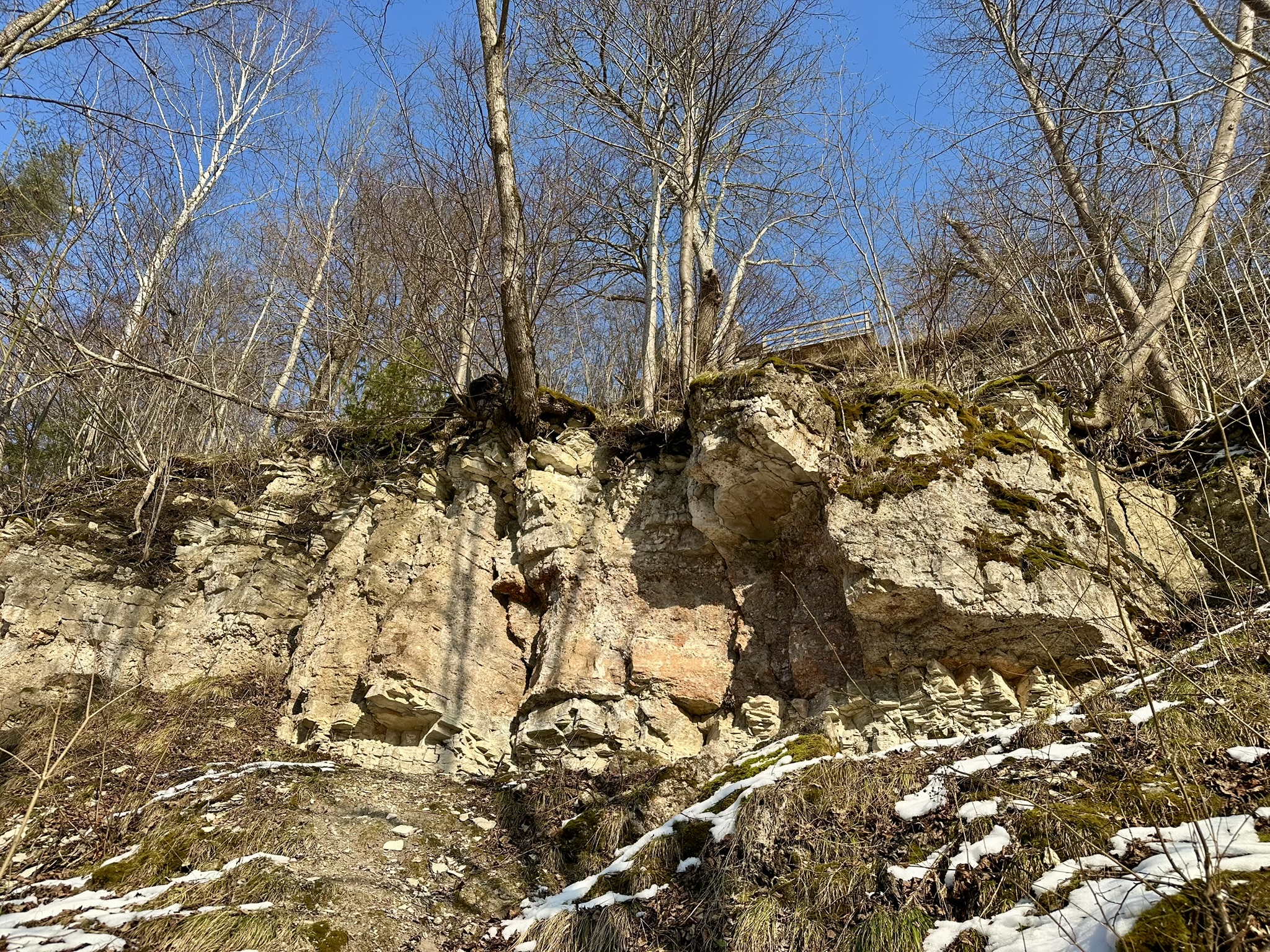
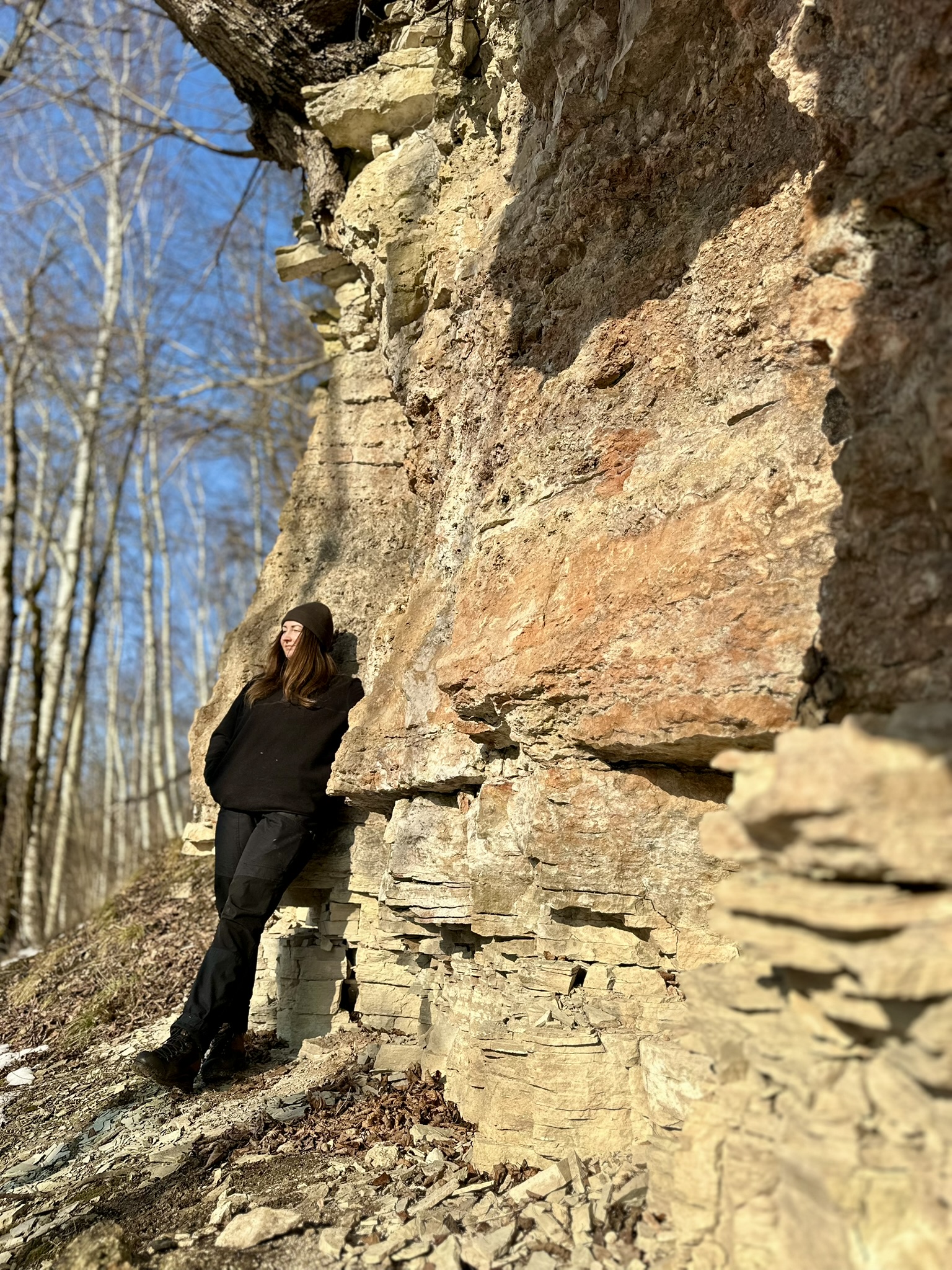
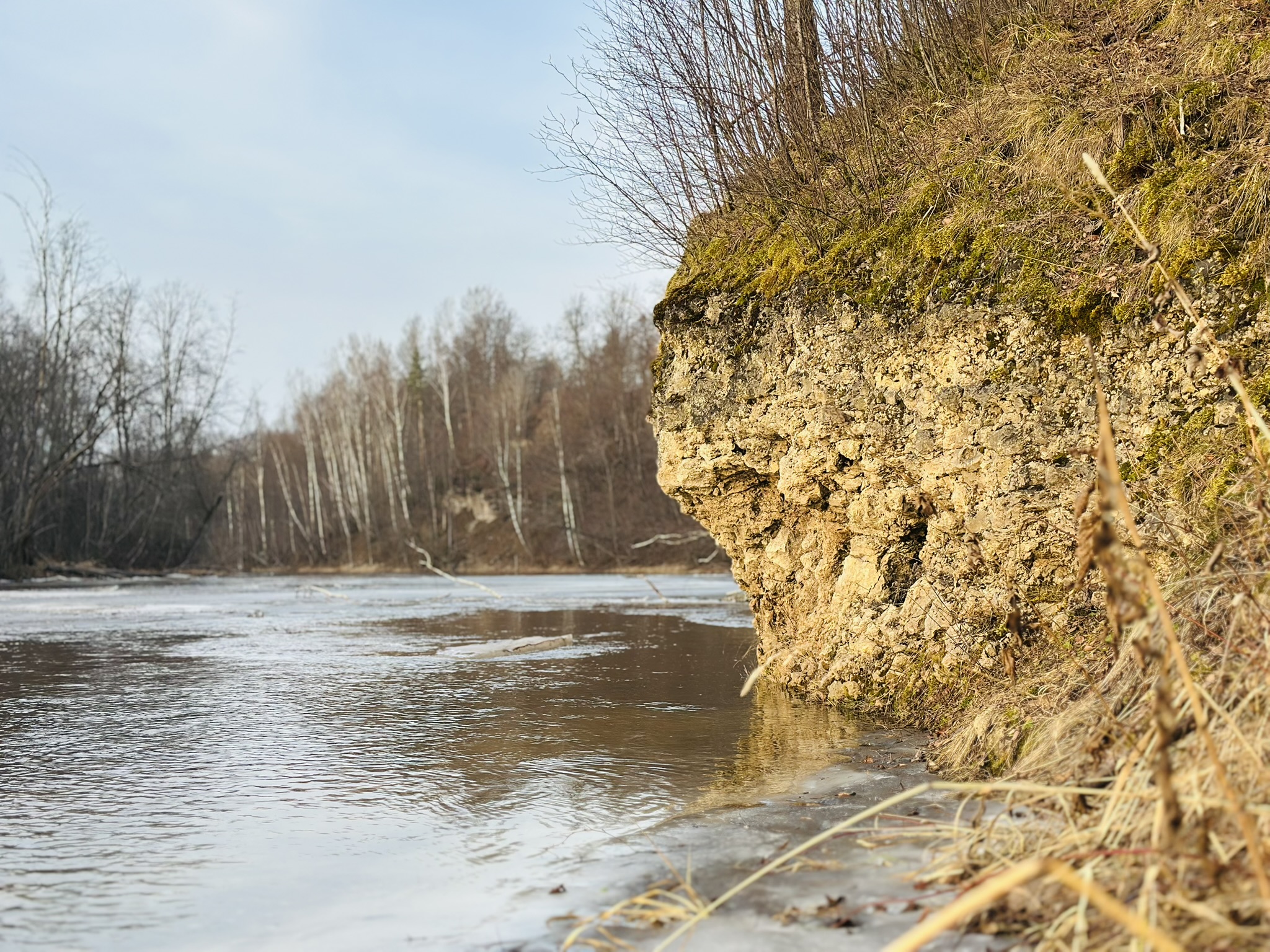
The Randāti Cliffs are located on the right bank of the Gauja River, near the Vireši Bridge. Since the flooding of the Daugava Valley, these are the highest dolomite cliffs in Latvia (26 meters).
- They are a protected geological and geomorphological natural monument.
- This natural monument encompasses bands of dolomite outcrops on the right bank of the Gauja—including the Randāti Cliffs—as well as the Tilderi Escarpment on the left bank.
- The outcrops of the Randāti Cliffs and the Tilderi Escarpment span a total length of approximately 550 meters across both banks of the Gauja.
- The Randāti Cliff outcrops are notably higher and more visually spectacular.
- Current geological processes observable at the site include dolomite rockfalls and, to a lesser extent, lateral river erosion.
The Randāti Nature Trail has been established around the cliffs, featuring signs and information boards that describe the area’s natural features.
Several legends and tales have been recorded about the Randāti Cliffs.
In ancient times, the Randāti Cliffs and those on the opposite bank were considered a magical place—the “Gates of the Gauja.” People believed this was the boundary between the “known” and “unknown” worlds. Raftsmen steering logs down the Gauja were particularly cautious here. They believed that echo spirits inhabited the Randāti Cliffs; these spirits would call out the raftsmen’s names to confuse them and lure their rafts onto the rocky rapids.
One legend also tells of the “Vāravs Deep.”
There is a very deep spot in the Gauja near the cliffs, known as the “Deep.” Locals used to say that water spirits—or a “waterman”—dwelt there, occasionally emerging to sit on the dolomite ledges and bathe in the sun. Rumors also circulated that the Deep was bottomless and connected to other underground rivers.